
 TFC
TFC When people move countries, they expect to miss people first.
They prepare themselves for distance from family, from familiar streets, from the sound of their own language drifting casually through daily life. What they rarely anticipate is how deeply they will miss a specific dish.
Not a fancy dish. Not a rare delicacy.
Usually something simple.
A bowl of soup eaten on weeknights. A bread bought fresh every morning. A street snack folded into paper. A curry, a stew, a dumpling, a plate of rice and lentils.
And no matter how carefully they try to recreate it abroad, something never tastes quite right.
It Starts With Ingredients — But That’s Only the Surface
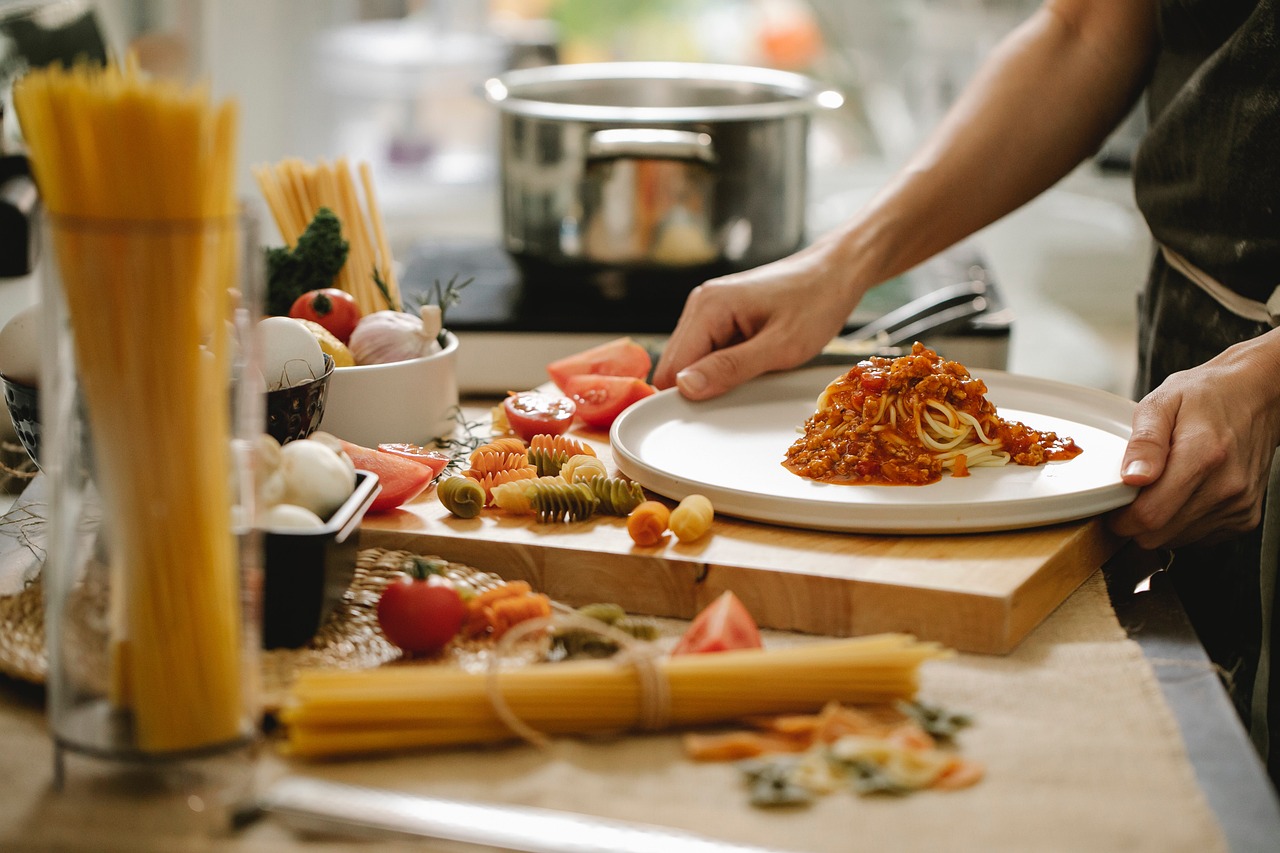
The obvious explanation is ingredients.
Tomatoes grown under Mediterranean sun carry a sweetness and acidity that greenhouse tomatoes in colder climates struggle to match. Mangoes picked ripe in South Asia taste different from those harvested early for export. Flour protein levels shift by country. Dairy fat content varies subtly but significantly.
Even water matters.
Water mineral composition affects bread fermentation, tea flavor, and even how certain grains cook. Professional chefs understand this. It’s why some bakeries struggle to replicate their signature bread when expanding internationally.
For immigrants cooking at home, these differences accumulate quietly. The dish looks familiar. It smells close.
But one bite reveals the gap.
Climate, Soil, and the Taste of Place
Food begins long before it reaches a kitchen.
Regional soil composition, humidity, altitude, and sunlight exposure shape crops in ways that are impossible to duplicate elsewhere. This concept — often referred to as terroir — explains why wine tastes different by region. But it applies to vegetables, fruits, herbs, and grains too.
Chilies grown in one region may carry a sharper heat. Basil from one climate may be more aromatic. Even onions vary in sweetness depending on soil and season.
When someone migrates, they leave behind the environmental fingerprint of their cuisine.
Even imported ingredients can’t fully compensate for freshness lost in transit. That missing immediacy changes flavor.
Street Food Is Nearly Impossible to Recreate

Home cooking can adapt. Street food is harder.
Imagine eating tacos at midnight on a crowded corner in Mexico City. Or pani puri from a street vendor in Mumbai, eaten standing shoulder to shoulder with strangers. Or a sesame-crusted bread bought warm from a street cart in Istanbul at sunrise.
Those dishes are not just about ingredients.
They’re about atmosphere.
The heat in the air. The noise of traffic. The smell of nearby grills. The rhythm of conversation. The sense of belonging within that moment.
Sensory science shows that environment shapes flavor perception. Sound levels, lighting, even crowd density influence how we interpret taste.
Recreating a beloved street snack in a quiet suburban kitchen thousands of miles away strips away half the experience.
The flavor might be technically accurate.
But it feels incomplete.
Memory Is Not Neutral
Another layer complicates things: memory edits.
When people recall a favorite dish from home, they often remember it in emotionally heightened contexts. Festivals. Family gatherings. Late-night conversations. Childhood afternoons when life felt simpler.
Memory enhances peaks.
Over time, the dish in memory becomes slightly amplified. Sweeter. Spicier. Richer. Warmer.
So when immigrants recreate it years later, they are comparing reality to an emotionally edited version of the past.
That comparison rarely feels fair.
Homesickness Changes Taste
There’s also a psychological factor that’s rarely discussed.
Food eaten while homesick tastes different.
Cooking a beloved dish abroad can bring comfort. But it can also intensify longing. The aroma fills a new apartment that doesn’t yet feel like home. The first bite reminds you of people who aren’t at the table.
That emotional state subtly shifts perception.
Sometimes the dish feels like a bridge.
Other times, it feels like distance made edible.
Time Moves Differently Abroad
In many cultures, cooking traditions are embedded in daily rhythms.
Fresh markets operate every morning. Extended family lives nearby. Meals are shared communally and without strict scheduling.
Migration often disrupts that rhythm.
Work schedules tighten. Commutes lengthen. Social networks shrink. Cooking becomes something squeezed between responsibilities.
A dish once prepared slowly over hours may now be rushed after work.
And when food is rushed, it tastes different.
Time is an ingredient people forget to account for.
The Substitution Problem
Adaptation is inevitable.
When certain spices or vegetables aren’t available, substitutes are used. When traditional cookware isn’t accessible, modern appliances step in. When dietary norms shift, recipes evolve.
These changes are practical. They’re creative. They’re necessary.
But they also create hybrid dishes — versions that sit between origin and adaptation.
For first-generation immigrants, that hybridity can feel like compromise.
For second-generation children, it becomes normal.
Over time, the adapted version forms its own tradition.
But for the person who remembers the original, something still feels slightly displaced.
Community Shapes Flavor
Many beloved dishes are communal by nature.
Rice eaten from a shared platter. Hotpot simmered in the center of a table. Bread torn and passed around. Stews cooked in large pots meant for extended family.
Migration often reduces the size of the table.
Meals become smaller. More individual. More scheduled. Sometimes solitary.
The absence of certain voices, certain laughter, certain rituals changes how food feels.
The same recipe eaten alone does not taste the same as when eaten among those who shaped your earliest memories.
When Immigrants Return Home
After years abroad, some immigrants finally return home and taste the original dish again.
And something unexpected can happen.
Sometimes it’s exactly as remembered. The first bite triggers instant recognition.
Other times, it’s different.
Because time has changed both the cook and the eater. Taste buds evolve. Preferences shift. Memory softens. The nostalgia may have amplified certain aspects beyond reality.
The realization sets in quietly: what was missed wasn’t just the dish.
It was a moment in life that can’t be recreated.
Food as Cultural Anchor
Even if perfect replication is impossible, the attempt matters deeply.
Cooking a beloved dish abroad keeps language alive in the kitchen. It preserves ritual. It teaches children where they come from. It anchors identity in unfamiliar surroundings.
Food becomes a stabilizer during transition.
In a new country, where accents stand out and customs feel unfamiliar, the smell of a familiar dish can reassert belonging.
It says: this part of you remains intact.
When the Dish Evolves
Over time, something powerful happens.
The recreated dish begins to change.
Local ingredients blend with traditional technique. New spices enter the kitchen. Children request modifications. Preferences adjust.
The dish becomes neither fully “home” nor fully “foreign.”
It becomes diasporic.
And that new version, born of adaptation and resilience, eventually carries its own emotional weight.
Second-generation children may grow up saying, “No one makes it like my mother.”
And the cycle continues.
It’s Not Just About Taste
The dish immigrants miss most is rarely about flavor alone.
It’s about identity.
It’s about memory.
It’s about belonging.
It’s about who you were before you had to explain yourself.
And while no recreation abroad can perfectly replicate the original — because soil changes, water changes, time changes, and people change — the act of cooking it keeps something essential alive.
The dish may never taste exactly like home.
But it becomes proof that home still lives within you.