 TFC
TFC One of the biggest joys of traveling is trying local food. From street markets to famous restaurants, many travelers plan entire trips around iconic dishes they’ve seen online or heard about from friends.
But in many of the world’s most visited destinations, some of those famous foods have become so commercialized that they barely resemble the authentic dishes locals actually eat. Restaurants in heavily touristed areas often redesign menus specifically for visitors — increasing prices, enlarging portions, or altering recipes to match global expectations.
Locals often know which foods are overpriced, overly theatrical, or simply not worth the hype. Yet tourists continue ordering them because they appear on every “must-eat” list.
Here are ten popular tourist foods that locals often say are overrated, overpriced, or misleading — and what you should try instead.
1. Giant Paella for Two in Spain
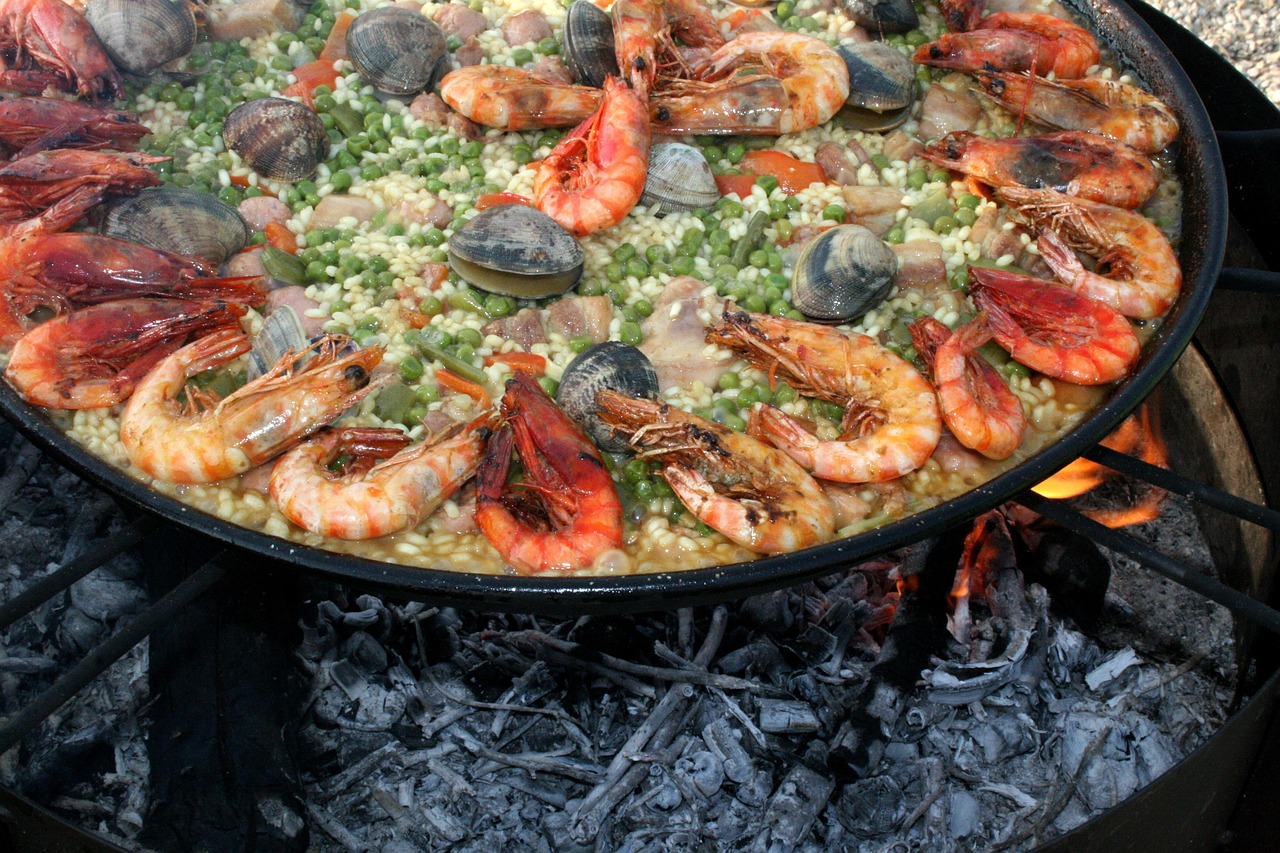
Paella is one of Spain’s most famous dishes, especially associated with the region of Valencia. Traditionally, authentic paella is cooked slowly in a wide pan over an open flame and prepared fresh with carefully balanced ingredients like rice, saffron, olive oil, vegetables, and either seafood or rabbit.
However, in many tourist districts across Spain, restaurants display huge paella pans meant to serve two or more people. These versions are often pre-cooked earlier in the day and reheated when customers order them.
Locals usually avoid these restaurants because fresh paella should be cooked to order and takes time. The best paella is rarely found right next to major tourist attractions. Instead, locals recommend searching for smaller neighborhood restaurants that specialize in the dish.
2. Overpriced Gelato Near Famous Landmarks in Italy

Italian gelato is world-famous for its rich flavor and creamy texture. But not every gelato shop offers the same quality.
In major tourist areas — especially near famous landmarks — some gelaterias charge extremely high prices while serving mediocre products designed mainly for visual appeal.
Locals often say one simple rule helps identify authentic gelato: avoid brightly colored mountains of gelato piled high in display cases. Real gelato is usually stored in covered containers and has more natural, muted colors.
Walking just a few streets away from major landmarks often leads to better gelato at half the price.
3. Rainbow Bagels in New York
Rainbow bagels became a viral sensation after photos of the colorful baked goods spread across social media. Tourists began lining up for hours to try them.
While they look fun and photogenic, many locals say the novelty bagels sacrifice flavor for appearance.
Traditional New York bagels are famous for their chewy texture and simple ingredients. Many longtime residents prefer classic bagel shops that have been making the same recipes for decades.
The rainbow versions, while entertaining, are often seen as a tourist novelty rather than a serious food experience.
4. Giant Lobster Rolls in Coastal Tourist Towns
Lobster rolls are a classic seafood dish in coastal regions of the northeastern United States. Traditionally they are simple: fresh lobster meat served in a toasted bun with a small amount of butter or mayonnaise.
However, in tourist-heavy seaside towns, restaurants sometimes turn lobster rolls into oversized, expensive meals designed to attract visitors.
Prices can climb dramatically during peak tourist season, and some establishments stretch the lobster with fillers or excessive sauces.
Locals often know smaller seafood shacks that serve simpler — and much better — versions of the dish.
5. “Authentic” Pad Thai in Tourist Areas of Thailand
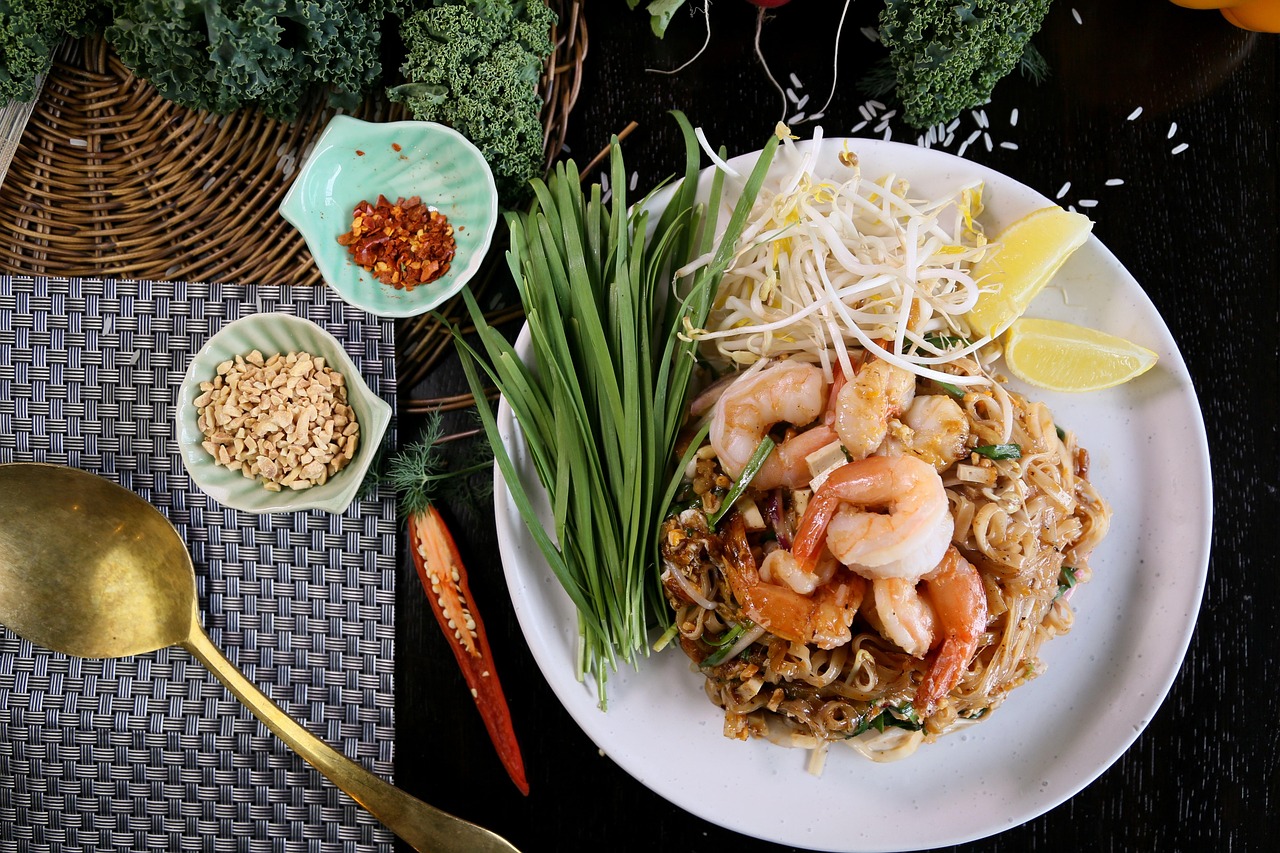
Pad Thai is one of Thailand’s most internationally recognized dishes. Because tourists expect to find it everywhere, restaurants in popular tourist districts often modify the recipe to suit foreign tastes.
These versions can contain excessive sugar, large amounts of sauce, or ingredients rarely used in traditional street food versions.
Locals frequently point out that the best Pad Thai is usually found at street stalls or smaller restaurants outside major tourist zones.
The authentic dish balances sweet, sour, salty, and spicy flavors without overwhelming the noodles.
6. Expensive Fondue Experiences in Switzerland
Fondue is an iconic Swiss dish made by melting cheese with wine and dipping bread into the mixture. It has become a popular activity for visitors seeking a cozy alpine dining experience.
However, some tourist restaurants market elaborate “fondue experiences” that charge very high prices for what is essentially melted cheese and bread.
Locals often treat fondue as a casual winter meal shared among friends rather than a luxury dining event.
While the dish itself is authentic, the theatrical presentations and inflated prices found in tourist areas can feel more like a performance than a traditional meal.
7. Oversized Burgers in Tourist Bars
In many cities around the world, tourist bars advertise massive burgers stacked with layers of cheese, bacon, sauces, and toppings.
These burgers are designed to look impressive in photos and attract customers walking by.
But locals often say the oversized portions are more about spectacle than flavor. Once the novelty wears off, the burgers can be messy, difficult to eat, and overpriced compared to more thoughtfully prepared meals elsewhere.
8. “Authentic” Cooking Classes That Aren’t Very Authentic
Cooking classes are a popular activity for travelers who want to bring home culinary skills from their trip.
However, some classes marketed heavily to tourists simplify traditional recipes or skip important cultural context to make the experience quicker and easier.
While these classes can still be fun, they don’t always represent how locals actually cook at home.
More immersive cooking experiences — such as those held in family homes or small community kitchens — tend to offer a deeper understanding of local cuisine.
9. Exotic Fruit Platters at Inflated Prices
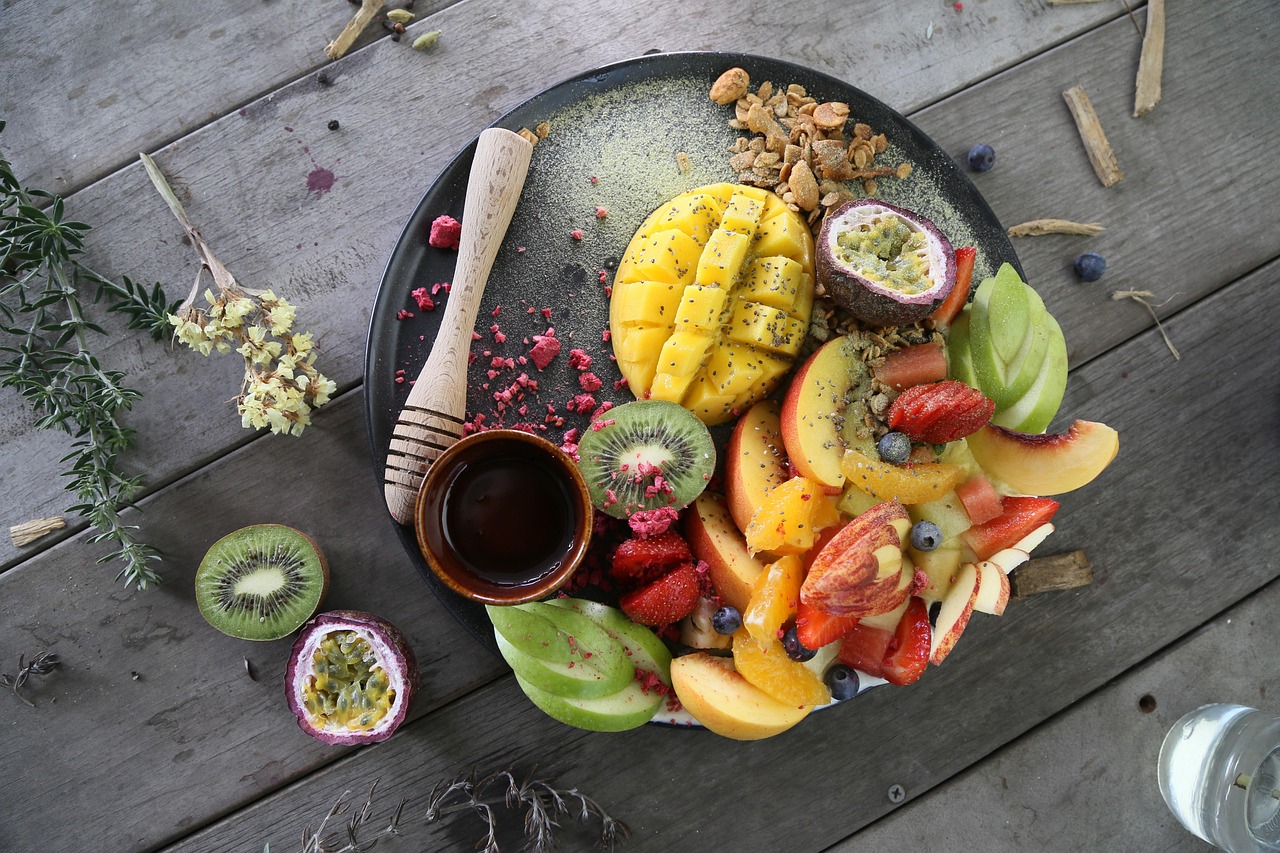
In tropical destinations, colorful fruit platters are often sold in tourist markets and beachfront areas at surprisingly high prices.
Yet many of these fruits are everyday staples in local markets where residents buy them for a fraction of the cost.
Tourists often pay more simply because the fruit is pre-cut, attractively arranged, and sold in popular sightseeing areas.
Exploring a local market instead of a tourist stall usually provides fresher fruit and a much more authentic experience.
10. Gold-Covered Desserts
Perhaps the most obvious tourist food gimmick is the gold-covered dessert. Some luxury restaurants sell cakes, ice creams, or pastries wrapped in edible gold leaf.
While these desserts can cost hundreds of dollars, the gold itself has no flavor and adds nothing to the taste.
The appeal lies entirely in visual extravagance and social media appeal. Many locals see these dishes as pure marketing designed to attract curious travelers.
Why Tourist Food Traps Exist
Tourist food traps exist because travelers often arrive with expectations shaped by guidebooks, social media, and travel shows.
Restaurants in busy tourist districts quickly learn which dishes attract attention and repeat business. Over time, menus evolve to emphasize those items — even if they become exaggerated or less authentic.
Dishes become bigger, more colorful, or more theatrical because those qualities attract customers.
How to Avoid Tourist Food Scams
Travelers who want a more authentic food experience can follow a few simple strategies:
Walk a few blocks away from major landmarks before choosing a restaurant.
Look for places where locals are eating.
Avoid menus filled with large photos and dozens of languages.
Ask hotel staff or residents for recommendations.
Visit local markets to see what people actually buy and eat.
These small steps often lead to better food at more reasonable prices.
The Real Taste of Travel
The best meals during a trip are rarely the ones designed for tourists. They’re often simple dishes served in modest restaurants, neighborhood bakeries, or small street stalls.
By staying curious and exploring beyond the most famous foods, travelers often discover something far more memorable: the authentic flavors of a place and the everyday meals that define its culture.