 Carter Vale
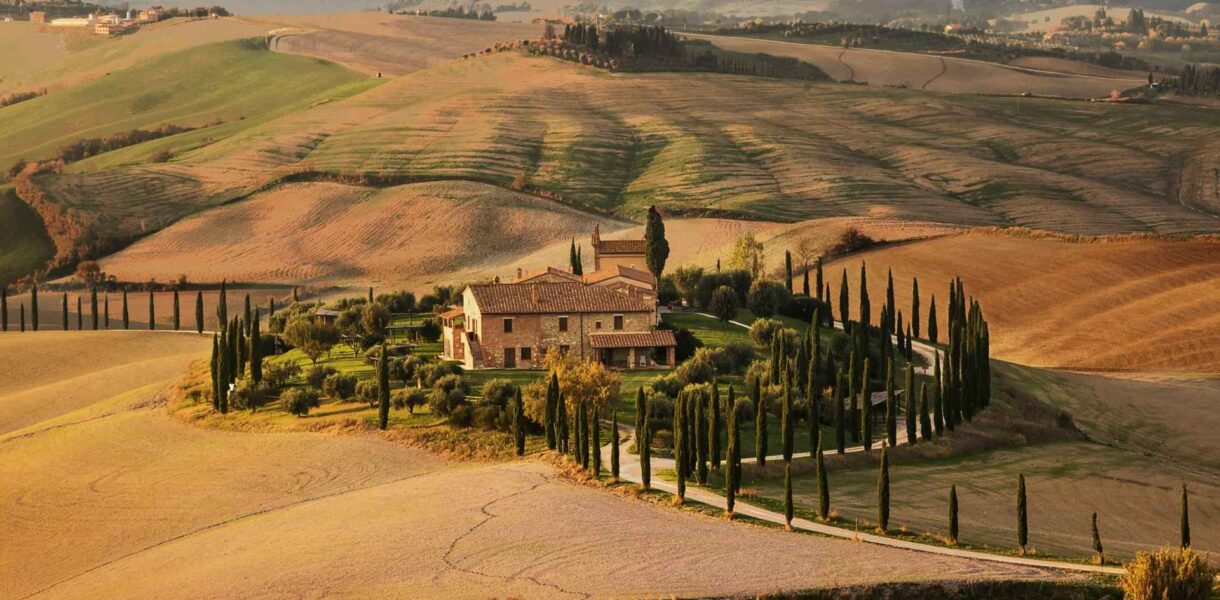
 Tuscany. The name alone sounds like a sigh — a slow exhale of cypress trees, golden hills, Chianti vineyards, and stone villages that haven’t changed in centuries. It’s one of those destinations people dream about long before they ever set foot on Italian soil. And when they finally do, many discover something surprising:
Tuscany is not a postcard.
It’s better.
But only if you know how to approach it.
Seeing Tuscany for the first time is like stepping into an oil painting — but it’s also rustic roads, leisurely meals, cultural nuances, and a pace that laughs at your Type-A travel agenda.
This guide is here to help you understand what first-timers often miss, and how to experience Tuscany the way it’s meant to be experienced — deeply, slowly, and deliciously.
Tuscany Moves Slowly — And So Should You
If you arrive expecting a packed itinerary of “sights,” you’ll be frustrated. Tuscany isn’t a checklist. It’s a rhythm.
- Meals take hours — and that’s the point
- Roads are winding — you’ll drive slower than your GPS suggests
- Shops in villages close midday — don’t panic, they reopen later
- Wine tastings aren’t rushed pours — they’re conversations
If you try to “fit Tuscany in,” you’ll miss it.
Tuscany is best absorbed, not accomplished.
You Need a Car — Or You Need to Commit to Trains and Towns
Renting a car gives you freedom. Plain and simple.
With a car, you can:
- Wander winding country roads
- Stop at tiny villages most tourists never see
- Visit family-run wineries and tucked-away trattorias
- Watch sunsets over vineyards instead of city rooftops
Without a car:
You can still enjoy Tuscany — just choose your base wisely.
Florence, Siena, and Lucca offer good public transport options. But if your dream is a farmhouse in the hills, olive trees outside your window, wine at sunset overlooking rolling fields — you want a car.
Bonus tip: Book a small car. Trust the locals — Tuscan roads can be narrow.
Tuscany Is More Than Florence (Though Florence Is Magnificent)
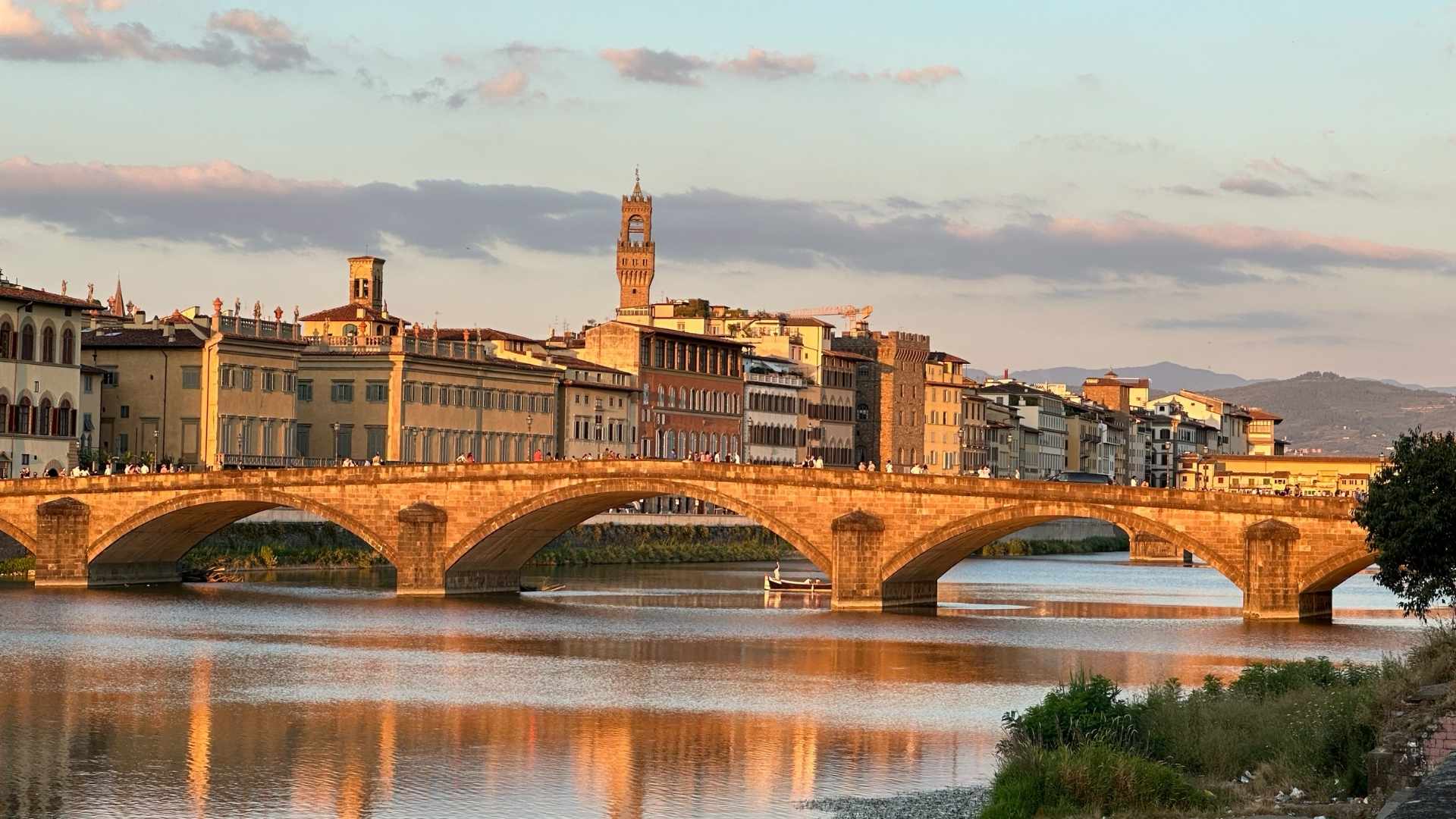
Florence is a jewel — the Renaissance in city form. You should absolutely go. But Tuscany isn’t just Florence plus vineyards.
Don’t miss:
- Siena — medieval heart, soul, and competitive spirit (hello, Palio!)
- Lucca — calm, elegant, wrapped in Renaissance walls
- Arezzo — underrated, artistic, beautifully authentic
- Pisa — not just a leaning tower; explore beyond the field of miracles
- Chianti region — wine country dreams
- Val d’Orcia — the landscape from every Tuscany film fantasy
- Montepulciano & Montalcino — noble wines and breathtaking vistas
The magic is not only in the famous places — it’s in the quiet ones, too.
Wine Is a Culture, Not a Beverage
Wine tasting in Tuscany is not like wine tasting in Napa or Cape Town. It’s storytelling. It’s philosophy. It’s heritage. It might even happen in someone’s living room or family barn.
Expect:
- Long conversations
- Small pours but long moments
- Passionate explanations of soil
- Generous snacks (and sometimes full spreads)
- The sense you are being welcomed, not served
Tip: Book in advance. Small vineyards often host only a few visitors a day.
You Don’t Order a Latte After Breakfast
This is your friendly reminder that:
- Italians drink cappuccinos in the morning
- After meals, it’s espresso
- Asking for a “latte” gets you a glass of milk
Will they serve you milk-based coffee at other times? Probably.
Will they silently judge you? Also probably. Embrace the ritual instead.
Tuscan Food Is Rustic — And That’s the Beauty
Forget fussy dishes. Tuscan cuisine is grounded, ancient, and respectful of ingredients.
Expect hearty, simple, extraordinary flavors:
- Ribollita (vegetable and bread soup)
- Pappa al pomodoro (tomato and bread soup)
- Bistecca alla Fiorentina (Florentine steak — thick, rare, sublime)
- Pappardelle al cinghiale (wild boar pasta)
- Pecorino cheese from Pienza
- Fresh olive oil that tastes like liquid sunshine
Bread is unsalted — that’s intentional, a historical quirk that pairs perfectly with salty meats and olive oils.
If you don’t understand the bread at first, have it with olive oil and an open mind.
You’ll See Beauty Everywhere — Even When You’re Lost
You will get lost in Tuscany. Everyone does.
But here’s the secret:
Getting lost is part of Tuscany’s charm.
Some of your most magical moments will come from wrong turns:
- A random hilltop chapel glowing at sunset
- A tiny village café with one table and a grandmother cooking
- A roadside vineyard with no sign and the best wine you’ve ever tasted
In Tuscany, being lost often means being found.
Respect the Quiet — and the People
Tuscany isn’t a theme park — people live here, farm here, raise families here.
A few things to remember:
- Don’t trespass into private vineyards for photos
- Greet shop owners when you enter — “buongiorno” goes a long way
- Dress respectfully in churches
- In rural areas, Sunday still matters — expect slower hours and family time
The warmth you receive here mirrors the respect you give.
Your Best Memories Won’t Be Planned
Sure, you’ll remember Florence’s Duomo or Siena’s piazza. But your favorite memories might be smaller:
- Morning fog lifting off vineyards
- A glass of Chianti at golden hour
- The sound of church bells and distant farm life
- Fresh figs from a farmstand
- A slow afternoon under olive trees
- A dinner that lasts three hours and feels like ten minutes
In Tuscany, moments matter more than sights.

Final Thoughts: Tuscany Is a Feeling, Not a Destination
The first time you go to Tuscany, you think you’re there to see it. Then you realize you’re there to experience it. To slow down. To breathe. To savor.
Let Tuscany teach you:
- How to eat slowly
- How to look longer
- How to value simplicity
- How beauty lives in everyday moments
Tuscany isn’t meant to be rushed or conquered.
It’s meant to be lived, even if only for a week.
Go not to check a place off your list —
but to let a place check something inside you.
And once you do? The only real question becomes when you’ll return.