
 TFC
TFC Nestled along the banks of the Danube River between the cities of Melk and Krems, Austria’s Wachau Valley is one of Europe’s most enchanting wine regions. Recognized as a UNESCO World Heritage landscape, the valley is famous for its terraced vineyards, medieval villages, ancient monasteries, and some of the finest white wines in the world. Yet beyond its stunning scenery and celebrated vintages lies one of the region’s most beloved traditions: the wine taverns known as Heurigen.
For travelers seeking an authentic Austrian experience, visiting a Wachau wine tavern is just as important as exploring the valley’s castles or cycling its scenic river trails. These cozy establishments offer a unique glimpse into local culture, where family-run wineries serve their own wines alongside homemade food in relaxed, welcoming settings.
Whether you’re a wine enthusiast, a foodie, or simply a curious traveler, the wine taverns of Wachau Valley provide unforgettable experiences that combine centuries of tradition with genuine Austrian hospitality.
Understanding the Heurigen Tradition
The term Heuriger originates from the German word heurig, meaning “this year’s.” Historically, Austrian winemakers were granted the right to sell their own wine directly to the public. Instead of operating formal restaurants, they opened simple taverns where visitors could enjoy the latest vintage straight from the producer.
Today, the Heurigen tradition remains alive throughout eastern Austria, but nowhere does it feel more authentic than in the Wachau Valley. Many taverns are still family-owned, with recipes, vineyard knowledge, and hospitality traditions passed down through generations.
Unlike conventional wine bars, Wachau Heurigen focus on simplicity and local character. Guests sit in rustic courtyards, shaded gardens, or centuries-old stone buildings while sampling wines made just a few meters away in the surrounding vineyards.
The atmosphere is intentionally relaxed. There are no pretensions, no elaborate tasting rituals, and no pressure to understand complex wine terminology. Instead, visitors are encouraged to slow down, savor the moment, and enjoy the connection between food, wine, and landscape.
The Wines That Define Wachau
The Wachau Valley is internationally renowned for producing exceptional white wines, particularly Grüner Veltliner and Riesling.
Grüner Veltliner is Austria’s signature grape variety, known for its crisp acidity, peppery notes, and vibrant fruit character. Wachau’s mineral-rich soils and unique microclimate create particularly elegant expressions of this grape.
Riesling from the Wachau is equally celebrated. Unlike sweeter styles often associated with Germany, Wachau Rieslings tend to be dry, structured, and intensely aromatic. They showcase flavors of stone fruits, citrus, and mineral notes that reflect the valley’s steep terraced vineyards.
Many wine taverns offer tasting flights that allow visitors to compare wines from different vineyard sites and classifications. The Wachau wine classification system includes:
- Steinfeder: Light and refreshing wines.
- Federspiel: Medium-bodied wines with excellent balance.
- Smaragd: Powerful, age-worthy wines produced from the ripest grapes.
Sampling these styles in the very vineyards where they are produced creates an appreciation that no wine shop or restaurant elsewhere can replicate.
Charming Wine Villages to Explore
One of the greatest pleasures of visiting the Wachau is discovering its picturesque wine villages, each offering its own collection of taverns and wineries.
Dürnstein

Perhaps the valley’s most famous village, Dürnstein captivates visitors with its blue church tower, cobblestone streets, and castle ruins overlooking the Danube. The village combines historic charm with excellent wine taverns, making it a favorite stop for travelers arriving by river cruise or bicycle.
Many taverns here offer outdoor terraces with vineyard views, creating ideal settings for enjoying a glass of Riesling as the afternoon sun illuminates the surrounding hills.
Weißenkirchen

Often considered the heart of Wachau wine country, Weißenkirchen is home to some of the region’s most prestigious vineyards. The village’s narrow streets, ancient stone houses, and traditional wine taverns create an atmosphere that feels largely unchanged over centuries.
Visitors can spend hours wandering between wineries, tasting rooms, and family-run taverns while learning about the region’s winemaking heritage.
Spitz
Located further upstream, Spitz is known for its dramatic vineyard landscapes and relaxed atmosphere. The village attracts wine lovers looking to escape larger tourist crowds and enjoy a more local experience.
The surrounding vineyards produce exceptional Rieslings, and many taverns feature beautiful garden settings perfect for leisurely lunches.
Joching and Wösendorf
These smaller villages are often overlooked by first-time visitors but offer some of the most authentic Heurigen experiences in the valley. Here, guests are more likely to encounter local residents gathering with friends and family, creating opportunities for genuine cultural immersion.
Traditional Food Served in Wachau Wine Taverns
While wine is the star attraction, the food served in Wachau taverns is equally memorable.
Most Heurigen offer cold buffets featuring regional specialties prepared using local ingredients. Typical dishes include:
- Smoked meats and cured ham
- Homemade sausages
- Austrian cheeses
- Freshly baked bread
- Potato salads
- Liptauer cheese spread
- Pickled vegetables
- Seasonal salads
During autumn harvest season, menus often expand to include hearty regional dishes and freshly prepared specialties that celebrate local produce.
Desserts may include apricot pastries, strudels, and cakes made from Wachau’s famous apricots, known locally as Marillen. These golden fruits are so important to the region that entire festivals are dedicated to celebrating them.
The combination of fresh local food and estate-produced wine creates a dining experience rooted in the agricultural traditions of the valley.
Seasonal Magic Throughout the Year
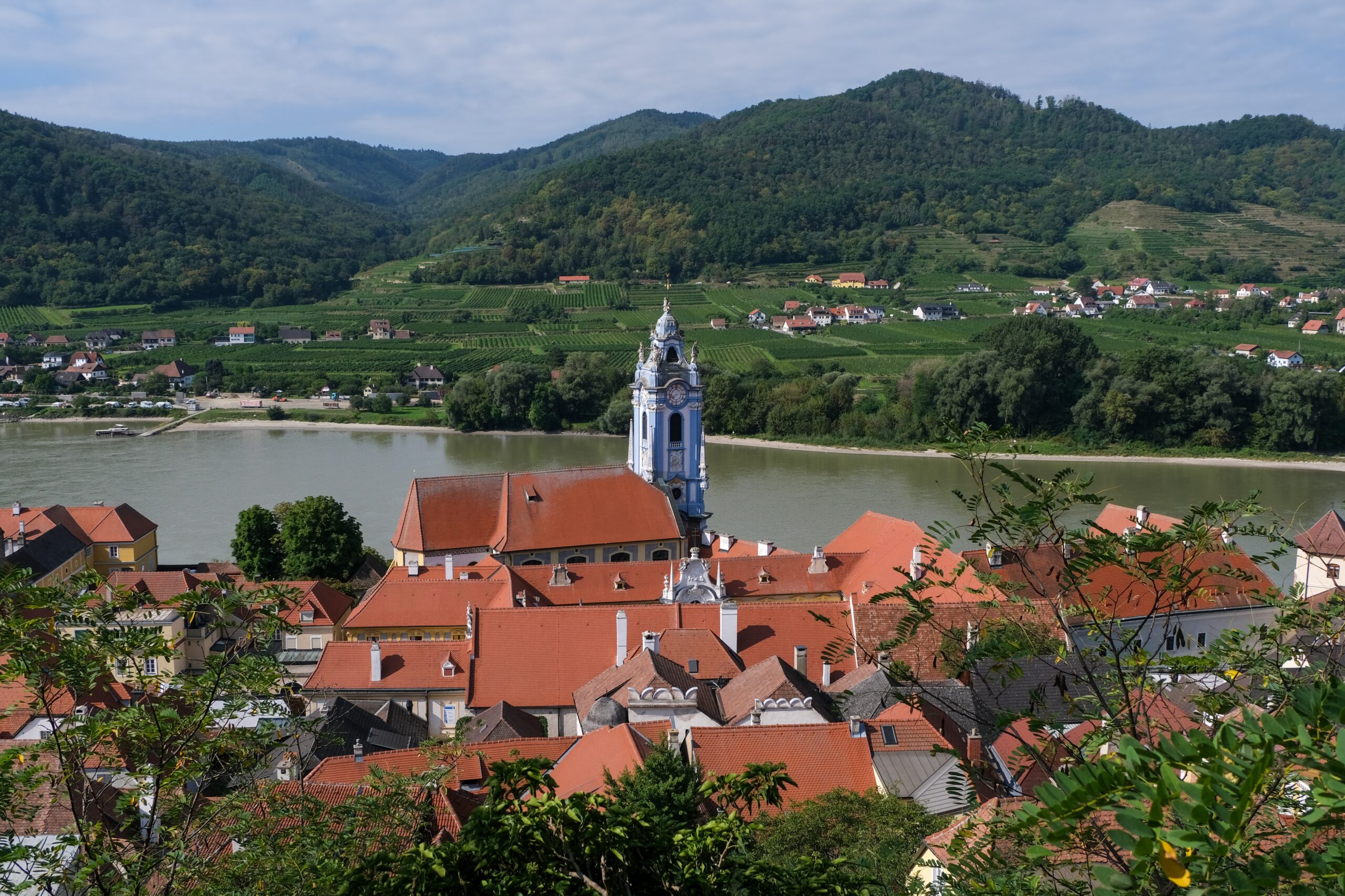
Each season brings a different atmosphere to Wachau’s wine taverns.
Spring
Spring transforms the valley into a landscape of blossoms and vibrant greenery. Vineyards awaken after winter, temperatures become pleasant, and outdoor seating areas reopen. This is an excellent time for visitors seeking fewer crowds and comfortable weather.
Summer
Summer is peak tourist season. Long sunny days encourage outdoor dining, cycling, and river cruises. Taverns buzz with activity as visitors gather in shaded gardens to enjoy chilled Grüner Veltliner and leisurely meals.
Autumn
Many wine lovers consider autumn the best time to visit. Harvest season fills the valley with excitement as grapes are picked and new wines begin production. Vineyards glow in shades of gold and amber, creating spectacular scenery.
Special harvest events and seasonal menus make this an especially rewarding period for wine-focused travelers.
Winter
Although quieter, winter offers a more intimate perspective on Wachau life. Some taverns close seasonally, while others provide cozy indoor settings where guests can enjoy local wines beside warm fireplaces.
Meeting the Winemakers
One of the defining features of Wachau wine taverns is direct interaction with the people who produce the wine.
In many cases, the individual pouring your glass is the same person who cultivated the vineyard, monitored the harvest, and supervised the winemaking process. These conversations often become highlights of a visit.
Winemakers eagerly share stories about family traditions, vineyard challenges, climate conditions, and regional history. Their passion adds depth and meaning to every tasting.
Unlike large commercial wine destinations, Wachau retains a strong sense of personal connection. Visitors frequently leave not only with bottles of wine but also with memorable conversations and friendships.
Cycling Between Wine Taverns
The Wachau Valley is one of Europe’s premier cycling destinations, and many travelers combine wine tasting with leisurely bike rides.
The Danube Cycle Path runs through the heart of the valley, connecting villages, vineyards, and attractions. Cyclists can easily travel between taverns while enjoying spectacular views of the river and surrounding hills.
This slow-paced style of exploration perfectly complements the Heurigen experience. Rather than rushing from one attraction to another, visitors can spend an entire day moving through the landscape, stopping whenever a welcoming courtyard or vineyard terrace catches their attention.
Electric bicycles have made the region even more accessible, allowing visitors of varying fitness levels to enjoy the valley comfortably.
Why Wachau Wine Taverns Are Different
Many wine regions around the world offer tastings and vineyard tours, but Wachau’s taverns possess a distinctive character that is difficult to replicate elsewhere.
The experience is not built around luxury or exclusivity. Instead, it emphasizes authenticity, community, and tradition.
Visitors are invited into spaces that serve as gathering places for locals rather than tourist attractions designed solely for outsiders. The result feels genuine and personal.
You might find yourself sharing a table with vineyard workers finishing their day, local families celebrating a birthday, cyclists resting after a ride, or travelers from around the world drawn together by a shared appreciation for good wine.
These simple moments often become the most memorable part of a journey through Austria.
Final Thoughts
The wine taverns of Wachau Valley offer far more than excellent wine. They provide a window into Austrian culture, rural traditions, and a way of life shaped by centuries of winemaking.
Set among breathtaking vineyard landscapes and historic villages, these family-run establishments embody the spirit of the Wachau itself—welcoming, unpretentious, and deeply connected to the land.
Whether you spend an afternoon sipping Riesling beneath a vine-covered pergola, sampling homemade regional dishes with locals, or cycling from one village tavern to the next along the Danube, the experience captures the essence of what makes the Wachau Valley one of Europe’s most beloved wine destinations.
For travelers seeking authenticity, beauty, and unforgettable flavors, the wine taverns of Wachau are not merely places to drink wine. They are places to experience the heart and soul of Austria.