 TFC
TFC France and wine are practically inseparable. From grand Bordeaux châteaux and Burgundy’s tiny vineyard plots to Champagne’s famous underground cellars and the sunny rosé vineyards of Provence, wine is woven into the landscape, food and culture of the country.
But with so many wine-producing regions to choose from, planning a French wine trip can feel overwhelming. Should you head to Bordeaux for legendary reds? Burgundy for Pinot Noir and Chardonnay? Champagne for sparkling wine? Or somewhere less obvious, such as Alsace or the Loire Valley?
The good news is that there is no wrong answer. French wine regions are incredibly diverse, and each offers a completely different travel experience.
Here are some of the best wine regions in France to visit, whether you’re a serious wine enthusiast or simply enjoy a beautiful vineyard, a good meal and a glass of something delicious.
1. Bordeaux – Best for Famous Red Wines and Grand Châteaux
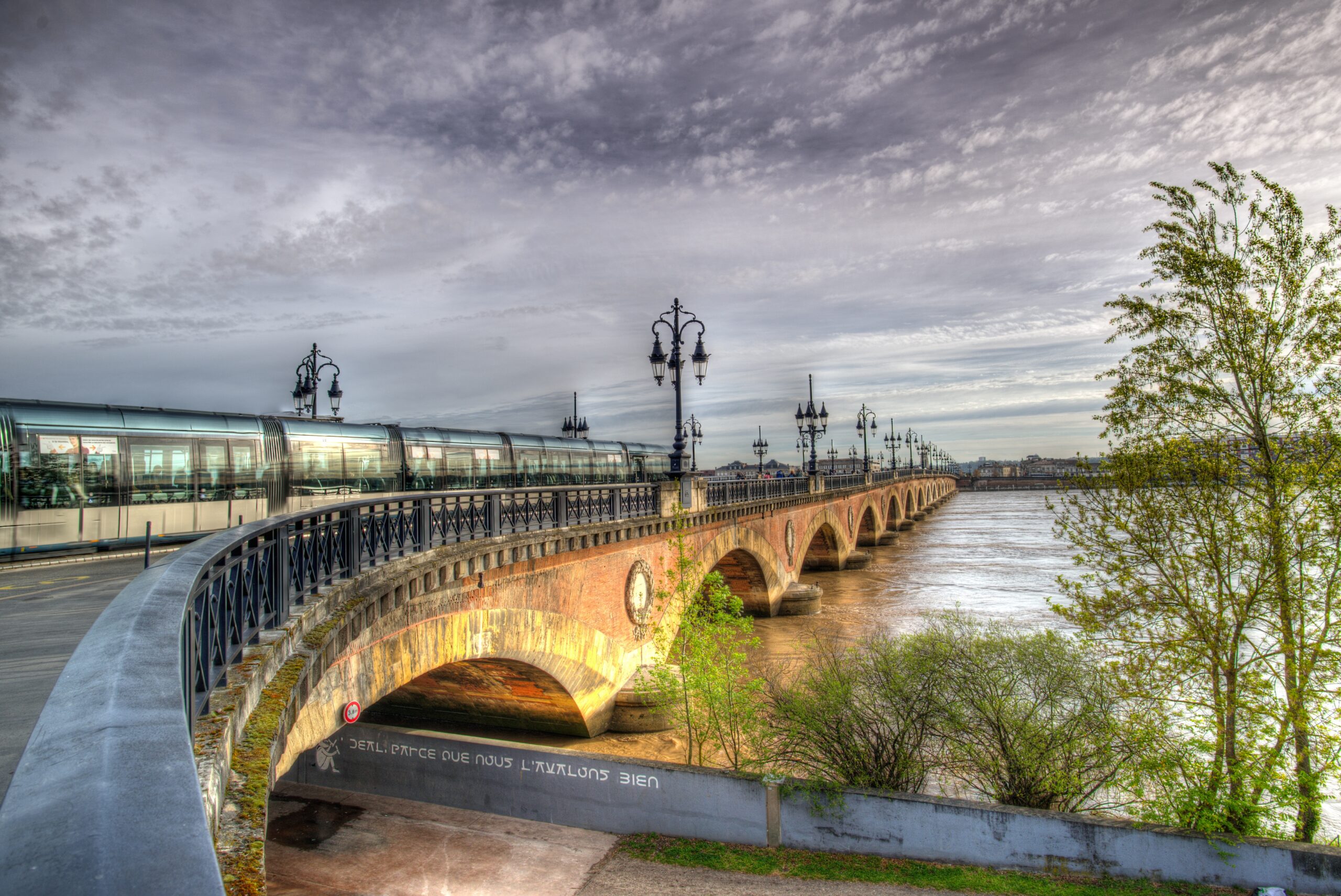
If there is one French wine region that needs no introduction, it’s Bordeaux.
Located in southwestern France around the Garonne and Dordogne rivers, Bordeaux is one of the world’s most famous wine-producing areas. The region is particularly celebrated for its red blends, usually based around Cabernet Sauvignon and Merlot, although Sauvignon Blanc and Sémillon are important for its white wines too.
The Bordeaux wine region is actually made up of several distinct areas, including the Médoc, Saint-Émilion, Pomerol, Graves and Entre-Deux-Mers. Each has its own personality and wine styles.
For travellers, Saint-Émilion is particularly appealing. The medieval village, surrounded by vineyards and beautiful wine estates, feels like it was designed for a French countryside getaway. The wider Saint-Émilion-Pomerol-Fronsac wine route is one of the major wine-tourism areas around Bordeaux.
The Médoc offers a very different experience, with famous châteaux scattered through long stretches of vineyards north of Bordeaux.
And then there is Bordeaux itself. You can combine wine tasting with restaurants, architecture, museums and riverside walks, making this one of the easiest French wine destinations for travellers who don’t want their entire trip to revolve around wine.
What to drink: Cabernet Sauvignon and Merlot-based reds, Bordeaux Blanc and Sauternes.
Best for: First-time wine travellers, red wine lovers, château visits and combining wine with city sightseeing.
2. Burgundy – Best for Pinot Noir, Chardonnay and Wine Lovers
Burgundy, or Bourgogne, is where wine becomes almost philosophical.
This region in eastern France is famous for its extraordinary focus on terroir – the idea that tiny differences in soil, climate, exposure and location can produce dramatically different wines.
Burgundy’s vineyards include Chablis, the Côte de Nuits, Côte de Beaune, Côte Chalonnaise and Mâconnais. Pinot Noir dominates the red wines while Chardonnay is the star of the whites.
The famous Côte d’Or is particularly fascinating for wine enthusiasts because vineyards are divided into an intricate hierarchy of appellations and individual vineyard sites known as climats. Some of these wines are among the most prestigious – and expensive – in the world.
But you don’t need to spend a fortune to enjoy Burgundy.
The region is wonderful for road trips, cycling and exploring picturesque villages, wine cellars and historic towns. Beaune makes an excellent base, with its medieval architecture, wine culture and famous Hôtel-Dieu.
Further north, Chablis is a great choice if you prefer crisp, mineral-driven Chardonnay.
Burgundy is also one of those destinations where the landscape itself becomes part of the experience. Vineyards roll across gentle hills, tiny villages sit between them, and wine estates are often much more intimate than the grand château estates of Bordeaux.
What to drink: Pinot Noir and Chardonnay, especially wines from Chablis, Côte de Beaune and Côte de Nuits.
Best for: Wine enthusiasts, food lovers, romantic getaways and travellers interested in terroir.
3. Champagne – Best for Sparkling Wine and Celebrations
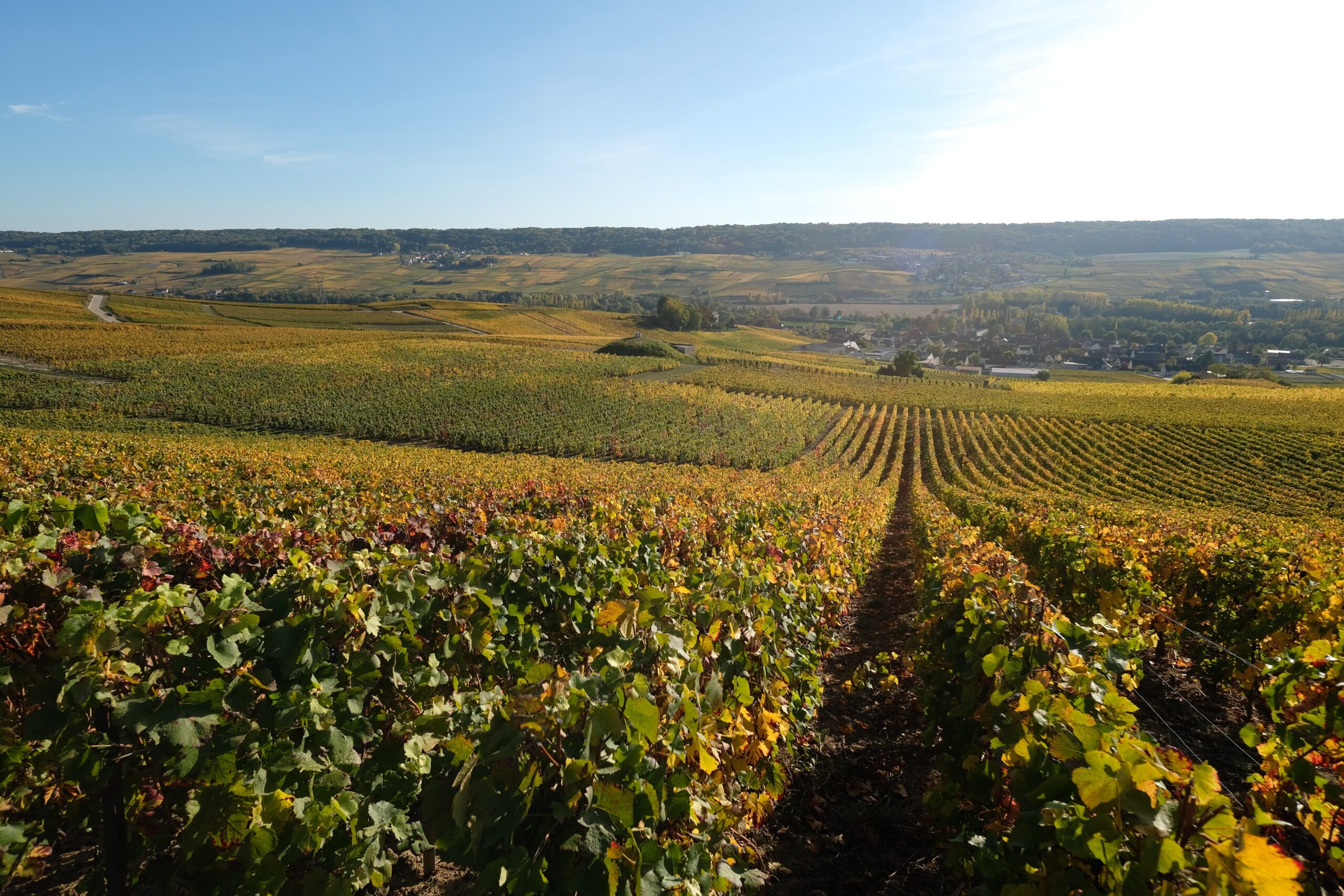
Champagne is arguably the most glamorous wine destination in France.
Located northeast of Paris, the Champagne region is the birthplace of the world’s most famous sparkling wine. The region’s cool climate and chalky soils are particularly suited to its traditional grapes: Chardonnay, Pinot Noir and Pinot Meunier.
The classic Champagne experience revolves around visiting the famous Champagne houses, exploring historic cellars and, of course, tasting Champagne.
Reims and Épernay are the two main bases for exploring the region. Reims is particularly convenient if you’re interested in combining wine with history and architecture, while Épernay is famous for the grand Avenue de Champagne.
But Champagne isn’t only about famous labels.
One of the pleasures of travelling here is discovering smaller producers and family-run wineries where you can learn about the winemaking process and taste bottles that may never appear on an international restaurant wine list.
Champagne is also relatively easy to combine with Paris, making it an excellent choice for a short wine escape.
What to drink: Champagne made primarily from Chardonnay, Pinot Noir and Pinot Meunier.
Best for: Sparkling wine lovers, romantic trips, celebrations and first-time wine tourism.
4. Loire Valley – Best for Variety and Beautiful Countryside
If you want to combine wine with castles, cycling, charming villages and beautiful countryside, the Loire Valley is hard to beat.
Stretching for roughly 800 kilometres along the Loire River, the region is one of France’s most diverse wine areas. It produces everything from crisp dry whites and elegant reds to rosés and sweet wines.
The Loire is divided into several important wine areas, including Nantes, Anjou, Saumur, Touraine and Centre-Loire.
Look for Sancerre and Pouilly-Fumé if you love Sauvignon Blanc. If you’re a fan of Chenin Blanc, explore wines from Vouvray, Savennières and other Loire appellations. Cabernet Franc lovers should head towards Chinon and Bourgueil.
And then there are the castles.
The Loire Valley’s vineyards are surrounded by some of France’s most spectacular châteaux, making it possible to spend the morning touring a Renaissance castle, the afternoon cycling through vineyards and the evening drinking local wine at a village restaurant.
It is also one of France’s best regions for a slower, scenic road trip.
What to drink: Sauvignon Blanc, Chenin Blanc and Cabernet Franc.
Best for: First-time visitors, road trips, cycling, castles and people who want variety.
5. Rhône Valley – Best for Bold Reds and Scenic Wine Routes
The Rhône Valley stretches from around Vienne in the north to Avignon in the south, covering a huge variety of landscapes and wine styles. The region is divided broadly into the Northern Rhône and Southern Rhône, and the difference between them can be dramatic.
In the Northern Rhône, Syrah is the star red grape, while Viognier is particularly important for whites. Look for famous appellations such as Côte-Rôtie, Hermitage and Saint-Joseph.
The Southern Rhône has a warmer Mediterranean influence and is known for blends featuring Grenache, Syrah and Mourvèdre. Châteauneuf-du-Pape, Gigondas and Vacqueyras are among the names worth knowing.
One of the best things about wine travel in the Rhône is the scenery. Vineyards run alongside the river, while medieval villages, historic towns and dramatic hills provide plenty to explore between tastings.
The Rhône Valley currently has more than 500 wine estates open to visitors and around 250 kilometres of wine routes, making it particularly well suited to wine tourism.
What to drink: Syrah, Grenache-based reds, Viognier and Rhône blends.
Best for: Red wine lovers, scenic road trips and travellers who enjoy combining wine with food and history.
6. Alsace – Best for White Wine and Storybook Villages
Alsace feels completely different from many other French wine regions.
Located in northeastern France along the foothills of the Vosges Mountains, the region is particularly famous for aromatic white wines. Riesling, Gewürztraminer, Pinot Gris and Muscat are among its signature varieties.
The Alsace Wine Route stretches for around 170 kilometres and passes through some wonderfully picturesque villages, including Riquewihr, Kaysersberg, Ribeauvillé and Eguisheim.
This is the kind of wine region where you don’t necessarily need to plan your day around prestigious estates. You can simply drive or cycle between villages, stop at wineries, wander through cobbled streets and have lunch at a traditional Alsatian restaurant.
Alsace is particularly good for travellers who prefer white wine and want a wine trip that feels relaxed and visually beautiful.
And if you’re travelling in autumn, the vineyards can be spectacular.
What to drink: Riesling, Gewürztraminer, Pinot Gris and Muscat.
Best for: White wine lovers, scenic road trips, charming villages and autumn travel.
7. Provence – Best for Rosé and Mediterranean Wine Escapes
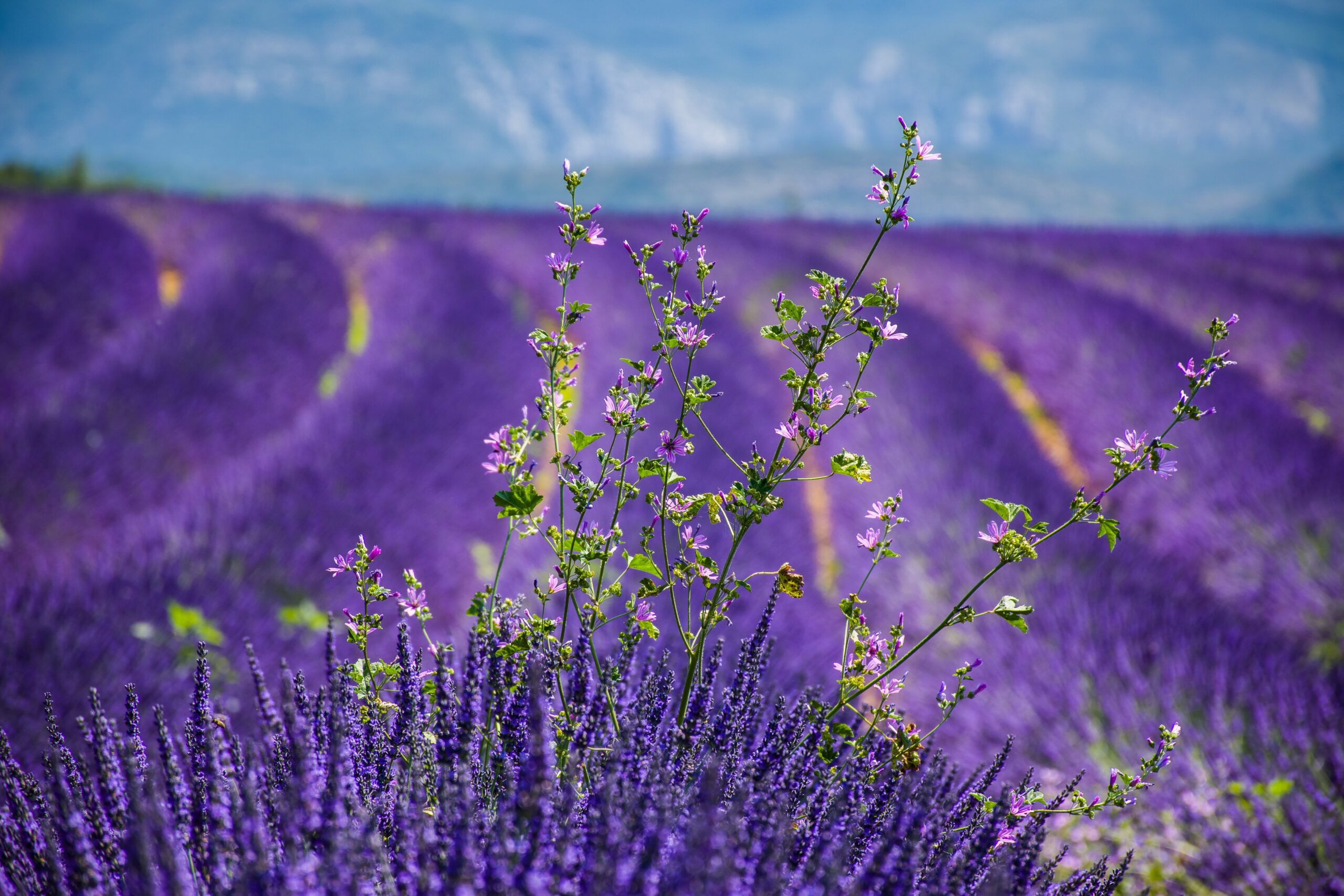
Think of Provence and you probably picture lavender fields, olive groves, Mediterranean beaches and a chilled glass of rosé.
And honestly, the stereotype isn’t wrong.
Provence is particularly famous for rosé, but the region also produces red and white wines. Grenache, Syrah, Mourvèdre, Cinsault and Tibouren are among the important varieties.
The Côtes de Provence appellation is the region’s best-known name, while Bandol and Cassis offer distinctive alternatives.
Provence is also one of the easiest regions to combine with a classic French holiday. You can spend a morning wine tasting, have lunch in a village, visit a market in the afternoon and finish the day by the Mediterranean.
The Provence wine routes stretch for around 200 kilometres through landscapes ranging from the coast to inland hills.
And while rosé is undoubtedly the star, don’t overlook the whites of Cassis or the structured reds of Bandol.
What to drink: Provençal rosé, Bandol reds and Cassis whites.
Best for: Summer holidays, rosé lovers, Mediterranean road trips and travellers who want wine plus beaches.
8. Languedoc-Roussillon – Best for Wine Variety and Fewer Crowds
For travellers who want to get beyond France’s most famous wine regions, Languedoc-Roussillon is worth putting on the list.
It is one of France’s largest wine-producing areas and offers an enormous variety of styles. The Mediterranean climate and diverse soils support grapes including Grenache, Syrah, Mourvèdre and Carignan.
You’ll find appellations such as Corbières and Minervois, along with everything from full-bodied reds to fresh whites and naturally sweet wines.
The biggest attraction for travellers may be the combination of wine and landscape. Vineyards are surrounded by medieval villages, mountains, historic sites and the Mediterranean coastline.
It can also feel less formal than some of France’s more prestigious wine destinations, making it a good option if you want to discover smaller producers and explore without quite as much emphasis on wine-world prestige.
What to drink: Grenache, Syrah, Mourvèdre and Carignan-based wines.
Best for: Adventurous travellers, Mediterranean road trips and discovering lesser-known French wines.
9. Beaujolais – Best for Light, Fruity Reds and a Relaxed Wine Trip
Just south of Burgundy, Beaujolais is a great option for travellers who love red wine but prefer something lighter and fruitier.
The region is best known for Gamay, which produces fresh, aromatic reds. Beaujolais ranges from easy-drinking wines to more serious crus, including Fleurie, Morgon, Moulin-à-Vent and Brouilly.
The landscape is rolling and picturesque, with vineyards surrounding small villages and traditional wine estates.
It’s also conveniently located near Lyon, making it easy to combine a Beaujolais wine trip with one of France’s great food cities.
For travellers who find Bordeaux or Burgundy intimidating, Beaujolais can be a wonderfully approachable introduction to French wine.
What to drink: Gamay, particularly the Beaujolais Crus.
Best for: Light red wine lovers, foodies, weekend trips and travellers looking for a more relaxed wine experience.
Which French Wine Region Should You Visit?
With so many choices, the best wine region in France really depends on what you want from your trip.
For famous red wines: Bordeaux or the Rhône Valley.
For Pinot Noir and Chardonnay: Burgundy.
For Champagne: Champagne, obviously!
For Sauvignon Blanc: Loire Valley.
For aromatic white wines: Alsace.
For rosé: Provence.
For a scenic road trip: Loire Valley or Alsace.
For wine plus beaches: Provence or Languedoc-Roussillon.
For serious wine enthusiasts: Burgundy.
For first-time wine travellers: Bordeaux, Champagne or the Loire Valley.
Tips for Planning a French Wine Trip
One of the biggest mistakes you can make is trying to cover too much.
French wine regions are much larger than they appear on a map, and the best experiences are usually slow ones. Pick one region and give yourself several days rather than trying to tick off five regions in a week.
It’s also worth booking winery visits in advance, particularly if you want to visit smaller producers. Many estates operate by appointment rather than functioning like tourist attractions where you can simply walk in.
Look for destinations carrying the Vignobles & Découvertes label. The French wine-tourism designation recognises destinations that offer a well-rounded wine experience, including wineries, accommodation, restaurants, cultural attractions and other tourism services.
And don’t plan six tastings in one day. Two or three well-chosen visits are usually far more enjoyable than rushing from cellar to cellar.
Most importantly, remember that French wine travel isn’t only about wine.
It’s about cycling between vineyards, eating regional food, wandering through medieval villages, staying in countryside guesthouses, chatting with winemakers and discovering how dramatically the landscape changes from one appellation to another.
Final Thoughts
France has some of the world’s most celebrated wine regions, but you don’t have to be a wine expert to enjoy them.
Whether you’re sipping Champagne in Épernay, exploring the châteaux of Bordeaux, cycling through Loire vineyards, wandering the storybook villages of Alsace or drinking rosé beneath the Provençal sun, wine becomes a way of experiencing the destination rather than simply another thing to taste.
And that’s what makes a French wine trip so memorable.
The wine is only half the story. The landscape, food, villages and people are the other half.