
 TFC
TFC Surrounded by ocean, forests, glaciers, and towering peaks, Vancouver is one of the few major cities in the world where mountain adventures begin almost immediately after leaving downtown. Within an hour, glass towers give way to alpine highways, turquoise lakes, waterfalls, cedar forests, and snow-capped wilderness that feels impossibly remote.
For travelers who love road trips, British Columbia offers some of North America’s most unforgettable scenic drives. Whether you want dramatic coastal mountain roads, glacier-filled valleys, hidden alpine towns, or peaceful forest escapes, the routes leading out of Vancouver deliver stunning scenery in every season.
Here are the most beautiful scenic drives from Vancouver into the mountains — and why each one deserves a spot on your travel bucket list.
Sea-to-Sky Highway: Vancouver to Whistler
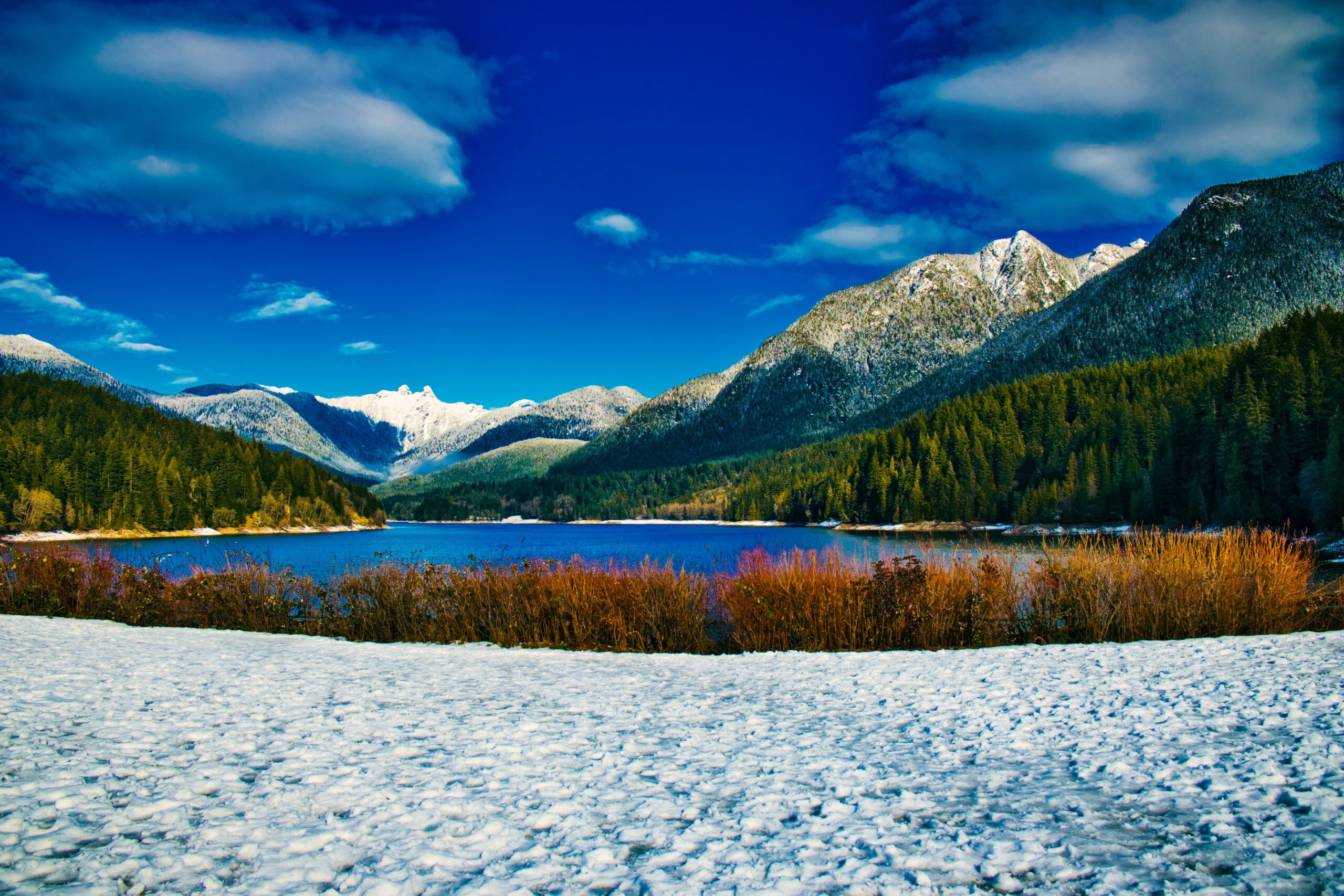
No scenic drive near Vancouver is more iconic than the Sea-to-Sky Highway connecting Vancouver to Whistler.
Officially known as Highway 99, this route hugs the coastline before climbing into dramatic alpine terrain. The journey is only about two hours without stops, but rushing through it would be a mistake. Nearly every section offers postcard-worthy scenery.
Leaving Vancouver, the road winds past the sparkling waters of Howe Sound, where mountains rise sharply from the ocean. On clear days, the contrast between deep blue water and jagged peaks feels cinematic.
One of the first must-stop locations is Shannon Falls Provincial Park, home to one of the tallest waterfalls in the province. Just nearby, the Sea to Sky Gondola offers panoramic views of forests, fjords, and mountain ridges.
Further north, Squamish has become a paradise for climbers, hikers, mountain bikers, and outdoor travelers. The towering granite monolith known as the Stawamus Chief dominates the skyline and creates one of the most dramatic landscapes on the route.
As the highway climbs higher toward Whistler, the scenery becomes increasingly alpine. Dense evergreen forests, glacier-fed rivers, and snow-covered peaks surround the road.
Whistler itself transforms beautifully through the seasons. Winter brings skiing and snowboarding, while summer offers hiking, lakes, and mountain biking. Even if you are not planning outdoor activities, simply driving through the region is spectacular.
Fraser Valley to Hope and Manning Park
For travelers seeking quieter mountain scenery away from tourist crowds, the drive east from Vancouver through the Fraser Valley toward E.C. Manning Provincial Park is deeply rewarding.
The route begins with farmland and rolling countryside before transitioning into rugged mountain wilderness. As you approach Hope, towering cliffs and forested peaks begin surrounding the highway.
Hope is often called the gateway to British Columbia’s interior mountains. The town itself sits amid dramatic scenery and serves as a perfect stopping point before heading deeper into alpine terrain.
From there, Highway 3 climbs into Manning Park, one of the province’s most beautiful wilderness areas. In autumn, golden larches and colorful forests create an especially magical landscape. During winter, snow blankets the mountains and transforms the region into a quiet alpine wonderland.
Wildlife sightings are common here. Travelers often spot deer, eagles, marmots, and occasionally black bears along the drive.
Unlike the busier Sea-to-Sky route, Manning Park feels more remote and peaceful. The long stretches of forest, winding mountain passes, and crystal-clear lakes make this drive ideal for travelers wanting a slower, more immersive nature experience.
Vancouver to Lillooet Through Duffey Lake Road
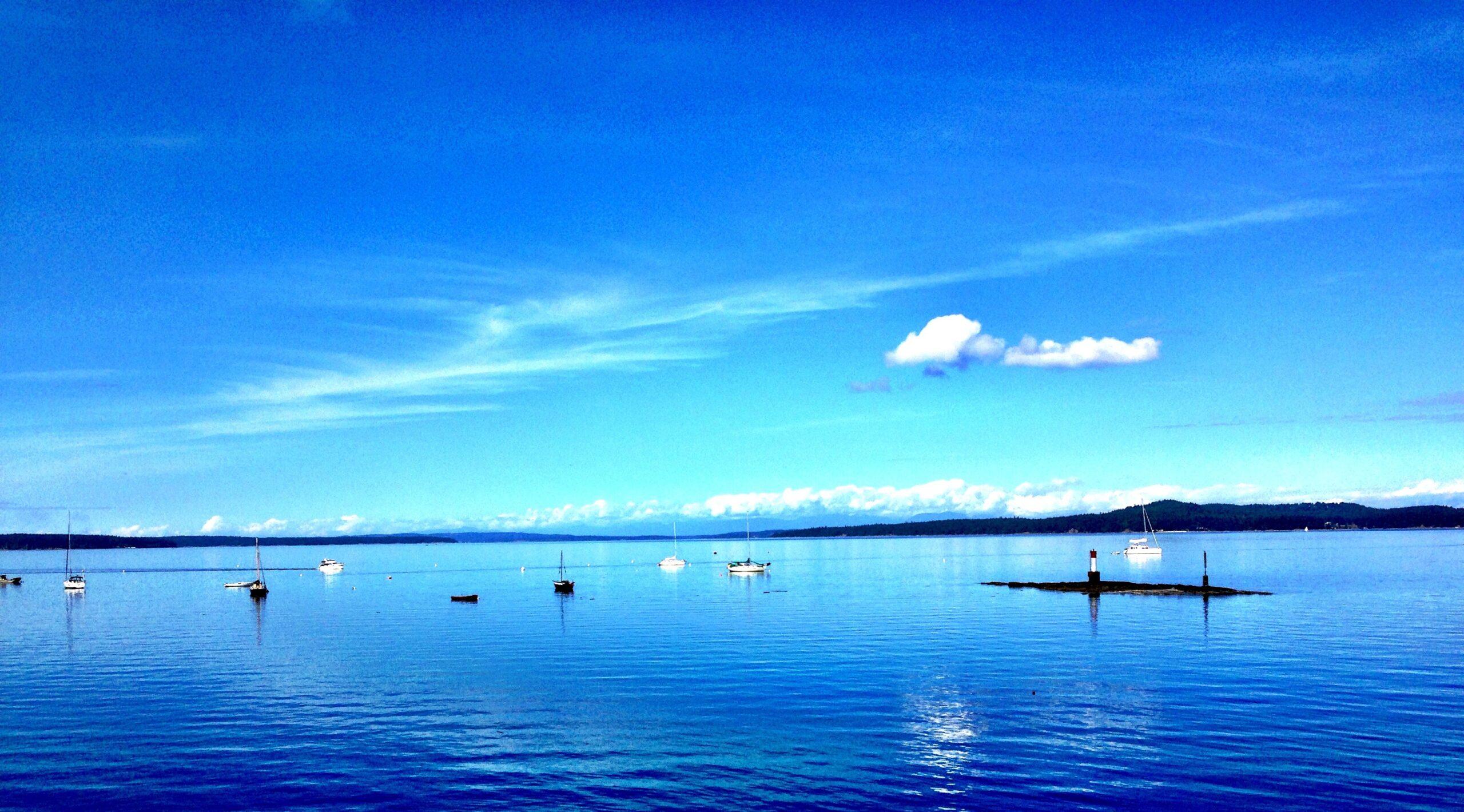
If you ask experienced road trippers in British Columbia about the province’s most breathtaking mountain drive, many will mention Duffey Lake Road.
This route branches north from Whistler and continues toward Lillooet through a landscape that feels wild and untamed.
The scenery changes constantly. One moment you are driving through dense pine forests, and the next you emerge beside turquoise alpine lakes surrounded by glaciers and rugged peaks.
Duffey Lake is the visual highlight of the journey. The lake’s still waters reflect the surrounding mountains so perfectly that it almost appears unreal.
Waterfalls tumble down steep cliffs throughout the drive, especially during spring snowmelt. In autumn, golden alpine trees create vivid contrasts against dark mountain ridges.
This route feels less commercialized than Whistler itself, which is part of its charm. There are fewer crowds, fewer developments, and longer stretches where the wilderness feels completely untouched.
Drivers should prepare carefully, especially during winter, as weather conditions can change quickly in the mountains. But for adventurous travelers, this is one of the most unforgettable drives in Western Canada.
The Coquihalla Highway
The Coquihalla Highway is famous for its dramatic mountain scenery and extreme winter conditions. While many people know it from trucking documentaries and snowstorm footage, it is also one of British Columbia’s most visually impressive highways.
The route climbs rapidly into the mountains after leaving Hope, crossing rugged alpine terrain filled with forests, cliffs, and sweeping valleys.
During summer, the scenery feels expansive and peaceful, with endless mountain ranges stretching toward the horizon. In winter, heavy snow transforms the landscape into a frozen alpine world.
There are several scenic pull-offs along the route where travelers can admire panoramic mountain views. Early mornings often bring low clouds drifting through the valleys, creating surreal scenery.
Though it is primarily a transportation corridor connecting the coast to the interior, the Coquihalla offers a surprisingly beautiful road trip experience for travelers heading toward the Okanagan or interior British Columbia.
Vancouver to Harrison Hot Springs
Not every mountain drive needs dramatic cliffs and extreme elevation. The route from Vancouver to Harrison Hot Springs offers a softer, more relaxing version of British Columbia’s mountain beauty.
The drive passes through fertile farmland, forests, and lakes before reaching the mountains surrounding Harrison Lake.
The lake itself is stunning — long, deep, and framed by misty peaks that often disappear into clouds. The atmosphere feels calm and restorative, especially during rainy weather when fog drifts across the mountains.
Harrison Hot Springs has become popular for wellness retreats, spa escapes, and slow travel experiences. The natural hot springs combined with mountain scenery make it a perfect weekend getaway from Vancouver.
Outdoor enthusiasts can also explore nearby hiking trails, waterfalls, kayaking routes, and forest walks.
This drive may not feel as dramatic as the Sea-to-Sky Highway, but its peaceful landscapes and relaxing atmosphere make it equally memorable.
Vancouver to Mount Baker
One of the most underrated scenic mountain drives from Vancouver actually crosses the border into the United States.
The route to Mount Baker takes travelers through forests and alpine terrain before arriving at one of the snowiest mountains in North America.
As you ascend toward Mount Baker, the scenery becomes increasingly rugged and volcanic. Jagged peaks, glaciers, and dramatic viewpoints dominate the landscape.
During summer, wildflowers bloom across alpine meadows. In autumn, the forests glow with color. Winter transforms the area into a snow-covered paradise popular with skiers and snowboarders.
The final stretch of road toward Artist Point is especially spectacular. On clear days, travelers can see endless mountain ridges stretching across the horizon.
For Vancouver residents and visitors wanting an international mountain road trip without traveling too far, Mount Baker offers an excellent option.
Best Seasons for Scenic Mountain Drives
Every season completely changes British Columbia’s mountain scenery.
Summer brings clear skies, turquoise lakes, accessible hiking trails, and long daylight hours. It is the easiest season for road trips and photography.
Autumn may be the most underrated time to explore. Forests turn golden, tourist crowds thin out, and cooler temperatures create ideal hiking conditions.
Winter transforms the mountains into snowy alpine landscapes perfect for skiing and cozy cabin getaways. However, drivers should always prepare for snow tires and changing road conditions.
Spring offers roaring waterfalls, blooming forests, and dramatic snowmelt scenery. It is also one of the best times to see powerful rivers and waterfalls throughout the province.
Tips for Driving in British Columbia’s Mountains
Mountain weather can change quickly, even during warmer months. Travelers should always check road conditions before departing, especially on higher elevation routes.
Fuel stations can become sparse in remote regions, so filling up before entering mountain highways is important.
Wildlife crossings are common, particularly at dawn and dusk. Drivers should stay alert for deer, bears, and smaller animals near forested sections of road.
Finally, leave extra time for scenic stops. British Columbia’s mountain highways are not just transportation routes — they are experiences themselves. Waterfalls, viewpoints, lakes, hiking trails, and hidden cafes constantly tempt travelers to stop along the way.
Why Vancouver Is One of the World’s Best Road Trip Cities
What makes Vancouver unique is how quickly urban life disappears. Within a short drive, travelers can find themselves surrounded by glaciers, forests, alpine lakes, and rugged wilderness.
Few cities offer such easy access to dramatically different mountain landscapes. One weekend can include ocean views, waterfalls, snowy peaks, hot springs, and remote forests — all within driving distance.
For photographers, outdoor adventurers, couples seeking romantic escapes, or travelers simply wanting to reconnect with nature, Vancouver’s mountain drives offer unforgettable experiences year-round.
And perhaps the best part is that no matter which direction you choose, the road itself becomes part of the adventure.