
 TFC
TFC In many parts of the world, variety is considered a luxury.
Walk through a village in Okinawa, a coastal town in Italy, or a neighborhood café in South Korea, and you’ll notice something that feels almost uncomfortable to modern eyes: people eating the same meals day after day.
The same soups.
The same grains.
The same vegetables, prepared in nearly identical ways.
And yet, these cultures are repeatedly cited for their longevity, metabolic health, and remarkably low rates of obesity.
From the outside, it seems counterintuitive. Modern nutrition emphasizes diversity, novelty, and constant optimization. We’re told to rotate foods, chase superfoods, and avoid eating the same thing too often.
So why do some of the healthiest populations on Earth do the exact opposite—and thrive?
The answer has less to do with willpower or genetics, and more to do with how humans evolved to eat.
The Myth That Variety Equals Health
In industrialized societies, food variety is treated as a nutritional virtue. The more colors on your plate, the more cuisines you sample, the healthier you’re assumed to be.
But historically, humans did not eat this way.
For most of human history, food availability was seasonal and repetitive. People ate what grew locally, often prepared the same way every day for months at a time. The body adapted not just to these foods—but to their predictability.
Modern abundance changed that equation. With unlimited access to novelty, we’ve learned to equate stimulation with satisfaction. But the human appetite system doesn’t always respond well to constant variety.
In fact, research suggests it may do the opposite.
How Repetition Regulates Appetite
There’s a well-documented phenomenon in nutrition science called sensory-specific satiety. It describes how the brain reduces appetite for a food as you continue eating it—but resets appetite when a new flavor or texture appears.
This is why dessert still sounds appealing after a large meal.
Cultures that eat repetitive meals unintentionally leverage this effect. When meals are familiar and predictable, people naturally stop eating when full. There’s no constant stimulation pushing them to overconsume.
In contrast, modern diets—packed with variety at every meal—override this mechanism. Multiple flavors, textures, and novelty keep appetite signals active long after the body has enough energy.
Repetition isn’t boring to the body.
It’s calming.
Cultural Eating Patterns That Support Leanness
Okinawa
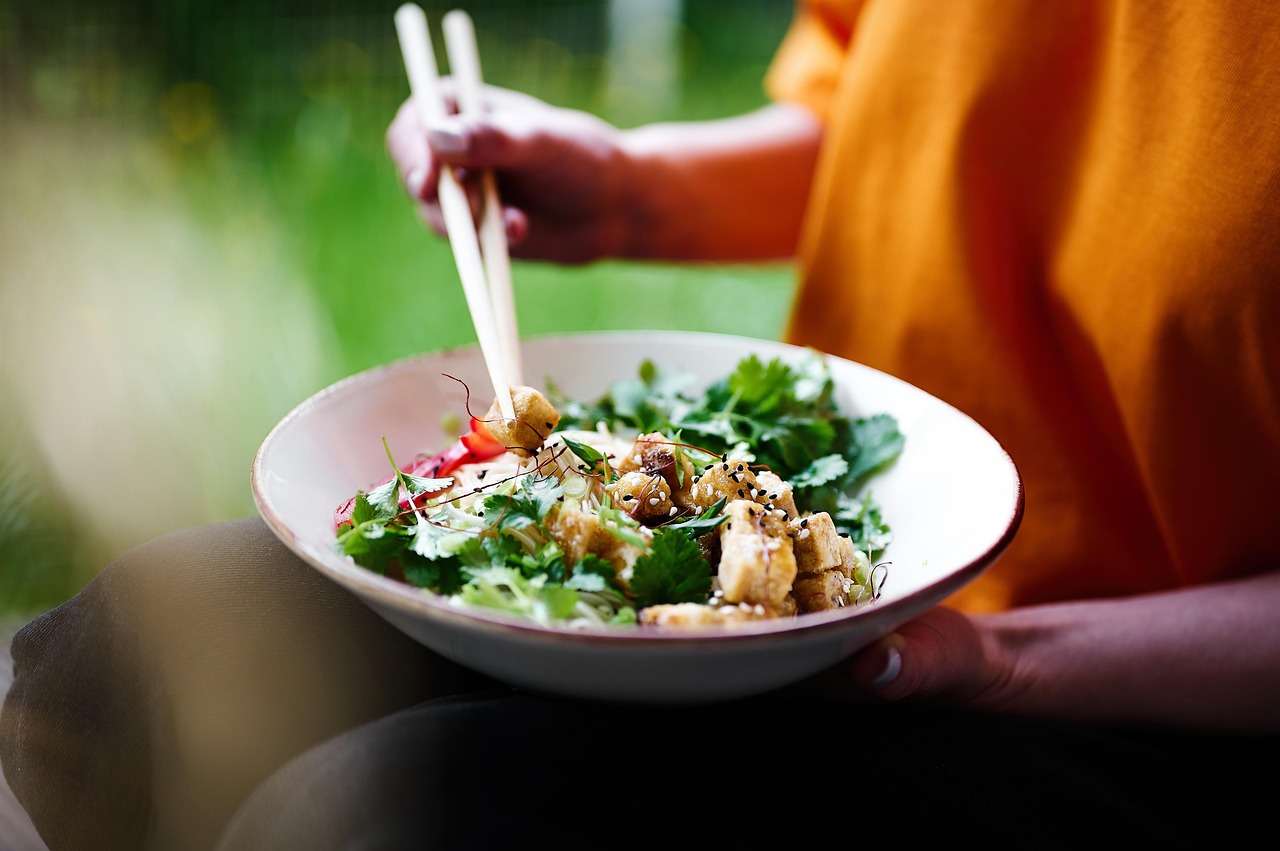
Traditional Okinawan meals center around sweet potatoes, vegetables, tofu, and small amounts of fish. The dishes change little from day to day. Portions are modest, meals are structured, and eating is slow.
Mediterranean Villages
In rural Italy and Greece, people often eat the same bread, olive oil, vegetables, legumes, and seasonal produce daily. The variation comes from freshness—not reinvention.
Korea
Meals revolve around rice, soup, fermented vegetables, and simple proteins. The base structure rarely changes. Fermentation adds depth without excess calories.
India (Traditional Diets)
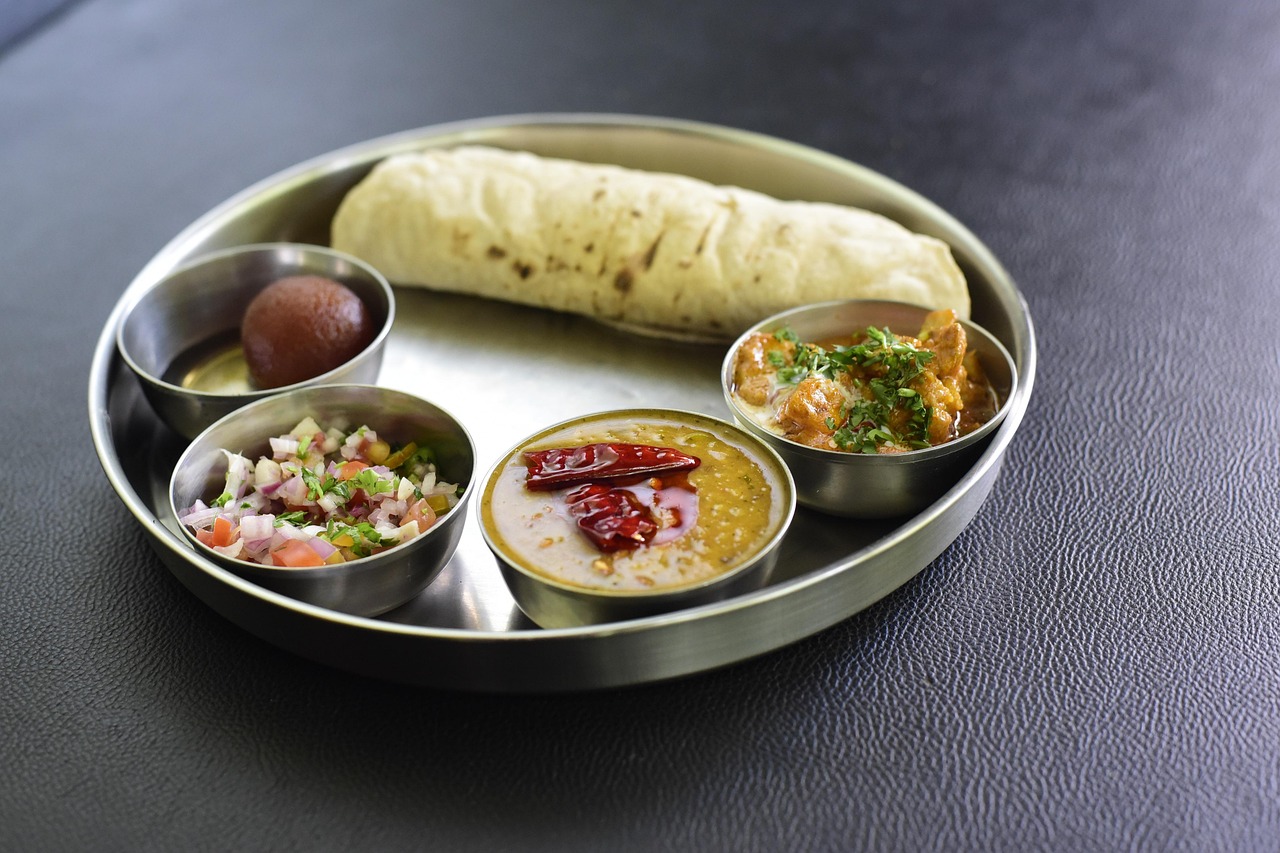
Home-cooked meals are often rotational but repetitive: lentils, rice, vegetables, and yogurt appear daily. Spices change flavor without increasing caloric load.
In all these cultures, food isn’t entertainment.
It’s infrastructure.
The Role of Predictability in Metabolism
The human body thrives on rhythm.
Eating similar foods at similar times trains digestive enzymes, insulin response, and hunger hormones to anticipate meals. This predictability reduces blood sugar spikes and improves metabolic efficiency.
When meals are unpredictable—both in timing and composition—the body stays in a reactive state. Insulin rises sharply, hunger signals become confused, and energy regulation suffers.
Repetitive eating patterns reduce this metabolic noise.
That doesn’t mean the diet is nutritionally limited. It means the body knows what’s coming—and responds efficiently.
Why Familiar Foods Reduce Overeating
Another overlooked factor is decision fatigue.
In cultures with repetitive meals, people don’t spend mental energy deciding what to eat. They eat what’s customary. There’s no negotiation, no grazing, no constant self-control.
In contrast, modern eaters make dozens of food decisions daily. Each choice drains cognitive resources, increasing the likelihood of overeating later.
Eating the same foods simplifies eating behavior.
And simpler systems are easier to maintain for decades.
Ultra-Processing vs. Culinary Tradition
The issue isn’t just repetition—it’s what is repeated.
Traditional diets repeat minimally processed foods prepared at home. Modern diets repeat ultra-processed snacks engineered for hyper-palatability.
Repetition of simple foods leads to satiety.
Repetition of engineered foods leads to escalation.
This distinction explains why people in traditional cultures don’t “get bored” and binge. Their foods don’t hijack reward pathways designed for scarcity.
Portion Size Without Measuring
People in repetitive-eating cultures rarely measure portions. They don’t need to.
Because meals are familiar, internal hunger cues are reliable. The brain knows how much energy a meal provides and adjusts appetite accordingly.
When foods are constantly novel, the brain struggles to estimate intake. This leads to oversized portions and delayed fullness.
Familiarity isn’t limiting—it’s regulating.
Why Western Diet Culture Struggles With This Idea
Modern food culture values:
-
Optimization over tradition
-
Novelty over consistency
-
Stimulation over satisfaction
Eating the same foods daily is often framed as “unhealthy,” “restrictive,” or “lazy.” But these labels come from a culture where food is entertainment, not nourishment.
Traditional cultures don’t moralize food. They inherit patterns that work—and repeat them.
Leanness isn’t pursued.
It’s a side effect.
What We Can Learn Without Imitating Entire Cultures
You don’t need to eat like an Okinawan or a Greek villager to benefit from this insight.
You can apply the principle without copying the cuisine:
-
Establish a small set of go-to meals
-
Rotate seasonally instead of daily
-
Eat meals with similar structure
-
Reduce novelty during the week
-
Let weekends be flexible
The goal isn’t monotony—it’s metabolic calm.
The Bigger Insight
The leanest cultures in the world aren’t chasing health trends.
They’re repeating what works.
Their diets succeed not because they’re exotic or optimized, but because they’re boringly effective. The body relaxes into routine, appetite regulates itself, and overeating becomes unnecessary.
In a world obsessed with new foods, the most powerful eating strategy may be the oldest one:
Eat simply.
Eat predictably.
Repeat for life.