
 TFC
TFC There’s a dish in every culture that doesn’t just taste good — it feels different.
It might be chicken soup simmered for hours. Dal and rice eaten from a steel plate. Tomato sauce bubbling slowly on a Sunday afternoon. Dumplings folded at a crowded kitchen table. A stew thick enough to fog up the windows in winter.
But when someone says, “My grandmother made it best,” they aren’t exaggerating.
They’re describing something that goes beyond flavor.
They’re describing memory, identity, survival, and time — all layered into a single plate.
The Science Behind Why It Feels So Powerful
There’s a neurological reason grandmother food hits harder than restaurant versions.
Taste and smell connect directly to the limbic system — the part of the brain responsible for emotion and memory. Unlike sight or sound, which route through multiple processing layers, smell in particular has a direct pathway to memory storage centers like the hippocampus.
That’s why a single aroma can transport someone 20 years back in seconds.
When you eat a dish that was present in your childhood — especially one prepared consistently by the same person — your brain doesn’t just register flavor. It retrieves context:
• The kitchen layout
• The sound of utensils
• The time of day
• Who else was in the room
• The feeling of safety
So when someone insists no restaurant version compares, it’s not stubborn nostalgia.
It’s neuroscience.
It’s Not Just the Recipe — It’s the Rhythm
Grandmothers rarely cook by strict measurement.
They cook by instinct.
A handful of salt. A pinch of spice. Taste. Adjust. Stir again. Simmer longer.
That intuition is built over decades of repetition. Muscle memory develops. The dish becomes embodied knowledge rather than written instruction.
When younger generations try to recreate it using exact measurements, something subtle often feels off.
Because what they’re missing isn’t just an ingredient.
It’s rhythm.
Grandmothers often cook slowly. Unhurried. Without multitasking between emails or notifications. Time becomes part of the seasoning.
Modern kitchens are efficient. Grandmother kitchens were immersive.
That difference shows up in the final bite.
Scarcity Created the Classics
Many iconic “grandmother foods” were born from necessity, not luxury.
Across cultures, these dishes emerged during periods of economic hardship, war, migration, or seasonal scarcity.
Broths were stretched from bones. Leftovers were transformed. Grains were extended with legumes. Vegetables were preserved for winter.
In Italy, ribollita transformed stale bread into hearty soup.
In India, khichdi turned rice and lentils into complete nourishment.
In Eastern Europe, cabbage became rolls, soups, and fermented staples.
In Latin America, stews blended inexpensive cuts with slow cooking to maximize flavor.
These meals were practical.
But over time, practicality became tradition.
And tradition became emotional inheritance.
When people crave grandmother food, they are often craving stability — a reminder that something endured.
The Emotional Authority of Grandmothers

There’s also a psychological layer.
Grandmothers often occupy a unique position in family structures. They are caregivers without the same daily disciplinary responsibilities as parents. They represent softness, stories, and continuity.
So the food they cook becomes associated with unconditional comfort.
A parent might rush dinner after work. A grandmother might spend an entire afternoon preparing it.
That extra time communicates care — even if unconsciously.
Food becomes love translated into effort.
And humans are incredibly sensitive to effort.
We taste it.
Why It’s Almost Impossible to Replicate Exactly
Even with the same recipe, same cookware, same ingredients — recreating grandmother food perfectly is rare.
Why?
1. Ingredients Change Over Time
Produce varieties evolve. Farming methods shift. Dairy processing changes. Even flour protein levels vary by region and era.
The tomatoes your grandmother used 40 years ago may not exist in the same form today.
2. The Environment Is Different
Humidity, altitude, water mineral content — all subtly influence cooking outcomes.
Bread behaves differently at high altitude. Tea tastes different depending on water composition.
These small variables accumulate.
3. Memory Idealizes
Memory is not a recording device. It’s reconstructive.
When we remember grandmother food, we remember it at peak emotional moments — holidays, family gatherings, childhood celebrations.
Over time, memory amplifies the best versions and edits out imperfections.
So when we recreate it as adults, we’re comparing reality to an emotionally enhanced memory.
That’s a tough standard.
Every Culture Has One — But It Looks Different

In Japan, it might be miso soup prepared every morning.
In Mexico, handmade tortillas pressed and cooked fresh.
In India, dal tempered with spices sizzling in ghee.
In the Balkans, stuffed cabbage rolls prepared in batches.
In the American South, cornbread baked in cast iron.
Different ingredients. Same emotional structure.
Simple. Repeated. Grounded.
Grandmother food is rarely elaborate. It’s rarely experimental.
It’s foundational.
The Role of Repetition
Repetition builds attachment.
A dish eaten once on vacation won’t carry the same emotional weight as something eaten weekly for years.
Grandmother food is powerful because it’s repetitive.
Sunday lunch. Holiday dinner. After-school snack.
The brain begins associating that flavor with routine safety.
Over time, the taste itself becomes shorthand for belonging.
What Happens When It Disappears
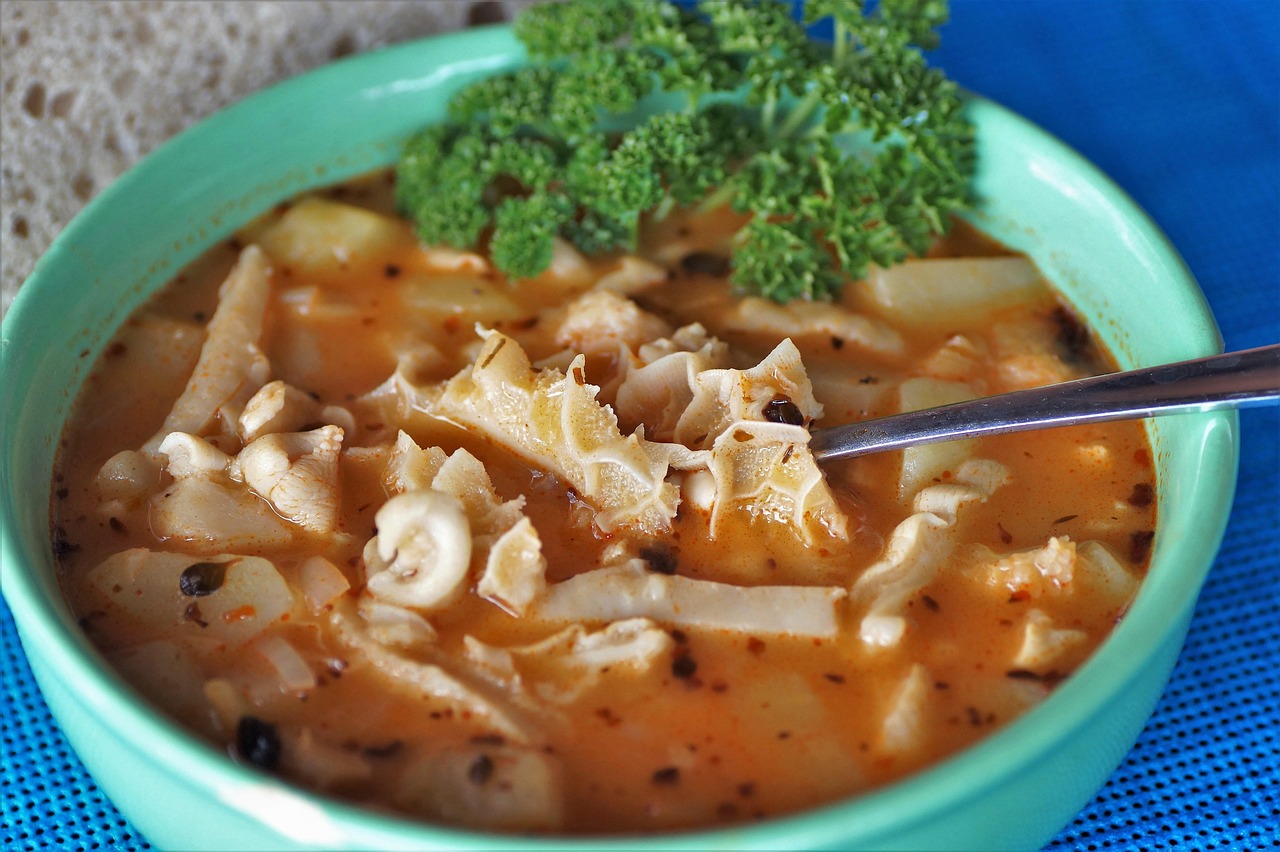
As families modernize and lifestyles accelerate, many grandmother dishes quietly fade.
Younger generations eat out more. Work longer hours. Move across countries.
Some recipes are written down. Many are not.
When a grandmother passes away without transferring her techniques, the dish sometimes disappears with her.
And what people grieve isn’t just the person.
It’s the flavor.
Because that flavor carried shared memory.
Why We Keep Trying to Recreate It
Even knowing it won’t be identical, people keep attempting to replicate grandmother dishes.
Because the act itself is meaningful.
Cooking it becomes a ritual of remembrance.
It becomes a way to reconnect with identity — especially for those living far from home.
Sometimes the recreation evolves. Ingredients adapt to new locations. Techniques modernize.
And that’s okay.
Because the purpose shifts from replication to continuation.
The dish may change slightly.
But the intention remains.
Grandmother Food as Cultural Anchor
In a world where food trends shift weekly — plant-based this, fermented that, viral recipes exploding overnight — grandmother food stays steady.
It doesn’t chase trends.
It doesn’t need reinvention.
It holds ground.
And perhaps that’s why it hits differently.
Because in an increasingly fast world, it represents slowness.
In an increasingly globalized culture, it represents specificity.
In an era of endless choice, it represents familiarity.
It’s Not Just About Taste
When someone says, “Nothing tastes like my grandmother’s,” they are describing a layered experience:
Taste + memory + effort + repetition + identity + time.
Restaurants can replicate technique.
But they can’t replicate childhood.
And they can’t replicate history simmered quietly across decades in the same kitchen.
That’s why every culture has one.
And that’s why it always hits different.