
 TFC
TFC For decades, smoking was considered the ultimate health villain.
It shortened lifespans, aged skin, damaged lungs, and quietly destroyed the body from the inside out.
Today, fewer Americans smoke than ever before.
But scientists say something else has taken its place.
It’s not alcohol.
It’s not sugar.
It’s not even junk food.
It’s a morning habit so normal, so socially accepted, that most people don’t even recognize it as harmful.
And according to researchers, it may be accelerating biological aging faster than smoking ever did.
The habit: starting your day in a chronic stress state
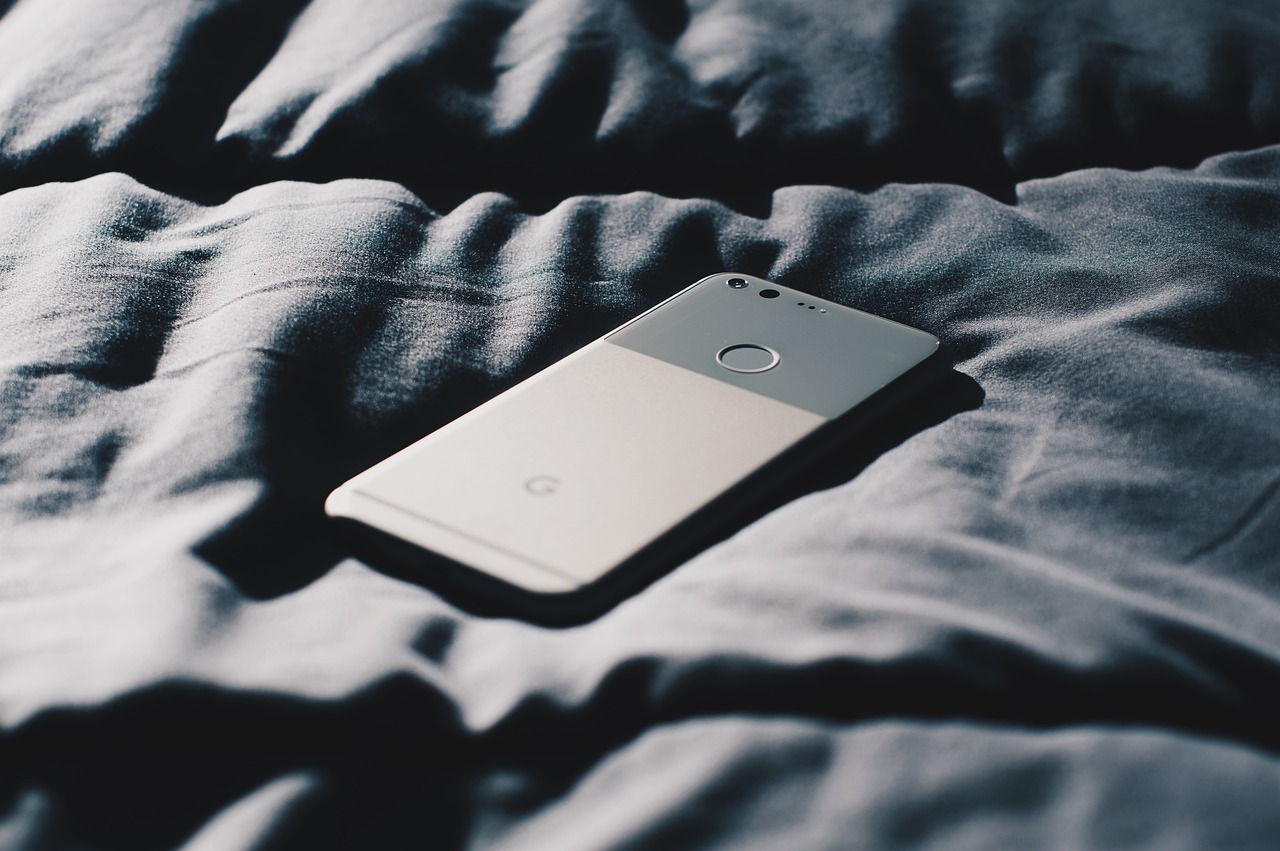
Most Americans begin their mornings in reactive mode.
Before their feet hit the floor, they’re already:
-
Checking their phone
-
Reading emails or messages
-
Scrolling news or social media
-
Mentally rehearsing tasks, problems, or deadlines
-
Feeling behind before the day has even started
Scientists call this chronic anticipatory stress—and it’s one of the strongest predictors of accelerated aging in modern life.
Unlike smoking, which harms specific organs, chronic stress affects every system at once.
Why mornings matter more than you think
The human body follows a natural circadian rhythm. Cortisol—the body’s primary stress hormone—is supposed to rise gently in the morning to help you wake up, focus, and mobilize energy.
But when you immediately expose your brain to urgency, conflict, or comparison, cortisol doesn’t just rise—it spikes.
Repeated daily cortisol spikes:
-
Increase inflammation
-
Disrupt blood sugar regulation
-
Suppress immune function
-
Impair cellular repair
-
Shorten telomeres (the protective caps on DNA linked to aging)
Smoking damages cells chemically.
Chronic stress damages them hormonally.
Both lead to faster biological aging—but stress works more quietly and more widely.
Why scientists compare this to smoking
Researchers aren’t saying morning stress is identical to smoking.
They’re saying it’s comparably destructive over time.
Smoking typically affects people who engage in the habit knowingly.
Chronic stress affects nearly everyone—often unintentionally.
Long-term studies show that people with consistently high stress levels experience:
-
Higher rates of cardiovascular disease
-
Faster cognitive decline
-
Increased risk of depression and anxiety
-
Poor sleep quality
-
Shorter life expectancy
And unlike smoking, stress doesn’t come with warning labels.
The American morning problem
The modern American lifestyle has turned mornings into a psychological pressure cooker.
Common patterns include:
-
Alarm → phone → notifications
-
News headlines before breakfast
-
Work emails before sunlight
-
Multitasking before the brain is fully awake
-
Rushing without emotional grounding
This constant sense of urgency trains the nervous system to stay in fight-or-flight mode.
Over time, the body forgets how to relax.
That’s when aging accelerates.
Stress ages you from the inside out
Chronic stress doesn’t just make you feel older.
It makes you biologically older.
Scientists measure biological aging using markers like:
-
Telomere length
-
Inflammatory proteins
-
Heart rate variability
-
Brain volume and cognitive speed
High stress is consistently associated with worse outcomes across all of these markers.
One landmark study found that people under chronic stress had telomeres comparable to those of someone 10 years older.
That’s not cosmetic aging.
That’s cellular aging.
Why this habit feels unavoidable
Most people don’t choose stressful mornings—they fall into them.
Work culture rewards urgency.
Phones demand attention.
Social media thrives on emotional reaction.
News cycles monetize anxiety.
The result is a morning routine that prioritizes reaction over regulation.
You’re not preparing your body for the day.
You’re throwing it into survival mode.
Why exercise doesn’t cancel this out
Many Americans try to “fix” stress by adding exercise later in the day.
Exercise helps—but it doesn’t fully undo the damage of a dysregulated morning.
Why?
Because stress patterns set early tend to persist.
If your nervous system starts the day activated, it stays more reactive:
-
You over-respond to small problems
-
You crash harder in the afternoon
-
You rely more on caffeine or sugar
-
You struggle to wind down at night
This creates a loop of stress, fatigue, and recovery debt.
The smoking comparison makes sense when you zoom out
Smoking was dangerous because it:
-
Was repetitive
-
Happened daily
-
Caused cumulative damage
-
Felt normal at the time
Chronic morning stress checks the same boxes.
The difference is scale.
Smoking affected a portion of the population.
Chronic stress affects nearly everyone.
What people who age slower do differently
Longevity researchers studying centenarians and low-stress populations notice a striking difference in mornings.
They don’t rush into stimulation.
They don’t begin with urgency.
They don’t overload their nervous system early.
Instead, they often start the day with:
-
Light exposure
-
Simple routines
-
Familiar tasks
-
Purposeful activity
-
Social or environmental connection
They regulate first.
They react later.
The goal isn’t calm—it’s regulation
This isn’t about creating perfect, peaceful mornings.
It’s about preventing unnecessary stress spikes before 10 AM.
Small changes make a measurable difference:
-
Delaying phone use
-
Avoiding news first thing
-
Doing one grounding task before engaging with work
-
Getting sunlight before screens
-
Starting with intention, not information
These shifts tell your body: you are safe.
And safety is anti-aging.
Why this matters more after 35
As we age, our ability to recover from stress declines.
In your 20s, you can absorb cortisol spikes and bounce back.
In your 40s and beyond, those spikes linger longer and cause more damage.
That’s why chronic stress becomes more visible with age:
-
Energy crashes
-
Brain fog
-
Sleep problems
-
Weight changes
-
Mood instability
It’s not weakness.
It’s biology.
You don’t need a perfect morning routine
You don’t need:
-
A 5 AM wake-up
-
Meditation marathons
-
Cold plunges
-
Productivity hacks
You need one intentional buffer between waking up and reacting to the world.
Even 10–15 minutes can:
-
Lower cortisol
-
Improve emotional regulation
-
Protect long-term health
Consistency matters more than duration.
The quiet truth about aging well
Aging well isn’t about avoiding death.
It’s about staying regulated while alive.
Smoking was obvious.
Stress is subtle.
But scientists are increasingly clear: how you start your morning may be one of the strongest predictors of how fast you age.
And unlike smoking, this habit is entirely changeable.
Not tomorrow.
Not someday.
Before breakfast.