
 TFC
TFC Traveling is full of surprises: new foods, unexpected customs, and breathtaking sights. But one thing travelers often underestimate? Gestures. The same hand wave, nod, or thumbs-up you use back home could mean something totally different — or even offensive — somewhere else in the world.
Whether you’re snapping selfies in Europe, bargaining in Asia, or exploring South America, understanding local gestures can save you embarrassment, awkward stares, or worse. Here’s a guide to some of the most surprising and culture-shocking gestures around the world.
Related reading – Asian hand gestures tourists get wrong.
1. The Thumbs-Up Isn’t Always a “Good Job” (Middle East & West Africa)
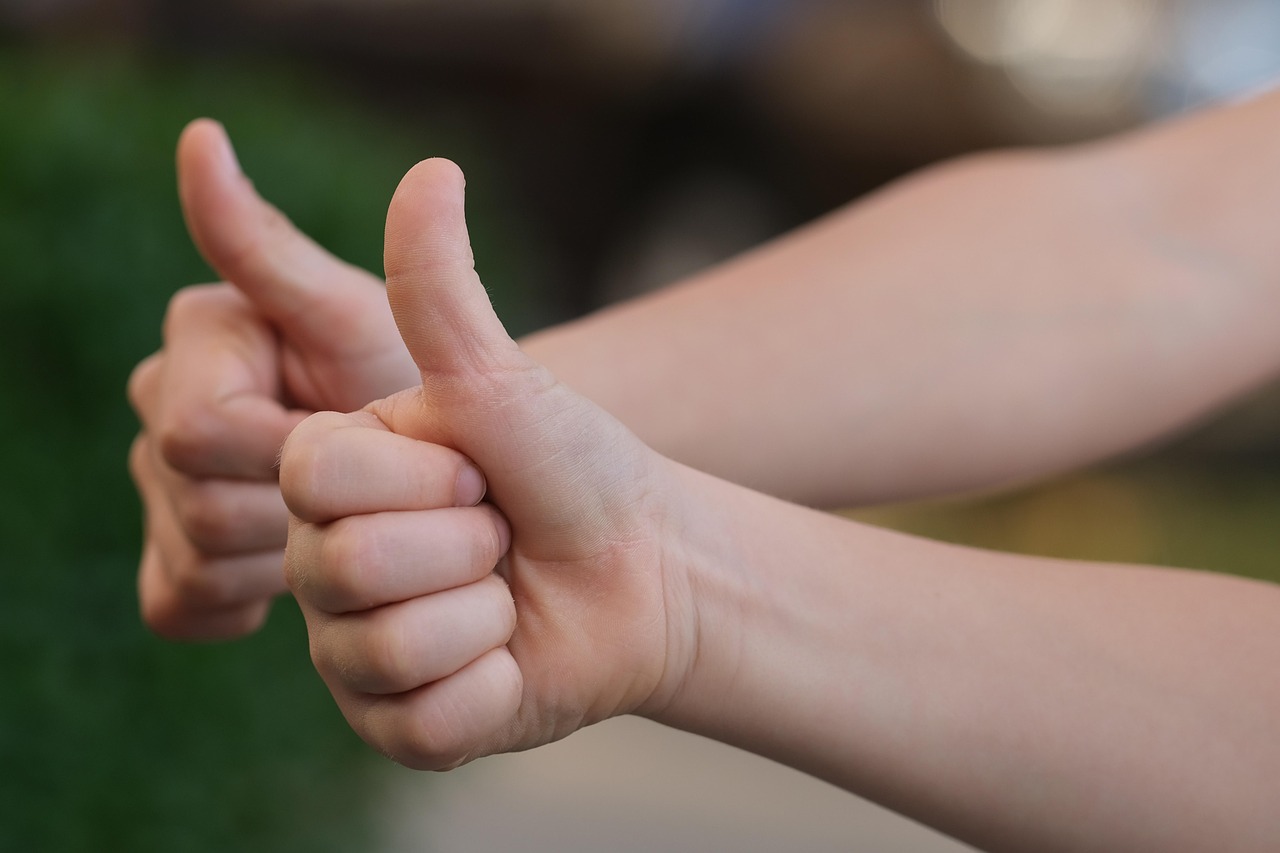
In most Western countries, the thumbs-up is a casual sign of approval. But in Iran, Iraq, Afghanistan, and parts of West Africa, it’s the equivalent of flipping someone off. Tourists who flash the “all good” sign in these regions may unintentionally provoke anger or confusion.
Tip: If you want to show approval, a polite nod or verbal affirmation is safer than a thumbs-up in these areas.
2. The “OK” Sign Can Be Dangerous (Brazil & Turkey)
Forming a circle with your thumb and index finger usually means “OK.” But in Brazil, Turkey, and parts of the Middle East, that same gesture is vulgar, implying something highly offensive.
Fun fact: Even in Europe, the meaning can vary. In France, it can mean “zero” or “worthless” depending on context. When in doubt, keep your hands neutral — or simply give a thumbs-up with your thumb straight up, carefully.
3. Be Careful with the Peace Sign (UK & Australia)
Flashing the “V” sign with your palm facing out is universal for peace or victory. Flip the hand around in the UK, Ireland, or Australia, and it suddenly becomes a cheeky insult — akin to telling someone to get lost.
Imagine smiling for a photo in London and accidentally showing the wrong palm — instant awkwardness.
4. The “Horn Fingers” Can Invite Trouble (Italy)
Pointing the pinky and index finger up while folding the other fingers (like the rock ‘n’ roll sign) has a surprising meaning in Italy: it suggests that a man’s partner is unfaithful.
While it’s harmless in a concert context, waving it at a local in Florence or Naples might get you puzzled stares — or worse.
5. Be Mindful of Feet (Southeast Asia)
In countries like Thailand, Cambodia, and Indonesia, your feet are considered the lowest and dirtiest part of the body. Pointing them at someone, resting them on furniture, or gesturing with your feet is extremely disrespectful.
Even sitting cross-legged in temples or on someone’s porch requires awareness — always tuck your feet neatly and avoid pointing them at others.
6. The “Beckoning Finger” (Philippines & Japan)
In the US, curling your index finger to beckon someone is friendly. But in the Philippines, it’s used to call dogs, not people — making it offensive. In Japan, the gesture can also feel rude or condescending.
A safer alternative? Use your whole hand, palm up, in a gentle wave toward the person you’re calling.
7. The Hand Wave Can Be Tricky (Greece & South Asia)
Waving your hand to say hello is universal, right? Not always. In Greece, showing an open palm toward someone (called “moutza”) is extremely insulting — it literally dates back to medieval punishments.
Similarly, in parts of India and Pakistan, waving your hand in certain ways at elders or strangers can signal disrespect. When greeting locals, a nod or traditional greeting like the Indian “Namaste” is safer.
8. Eye Contact Is Cultural (Latin America vs. East Asia)
Direct eye contact can signal confidence in the US and Latin America. But in East Asia, prolonged eye contact can feel aggressive or disrespectful. In Japan or Thailand, lowering your gaze slightly is a sign of politeness, particularly with elders.
Travelers often overestimate the universality of staring someone in the eye — subtle adjustments can make a huge difference in how locals perceive you.
9. The “Come Here” Gesture (Asia)
The simple curling of a finger to call someone over is standard in many Western countries. In Philippines, Malaysia, and Singapore, however, it’s considered rude or even degrading, often reserved for animals.
Use a small wave of the whole hand instead. It’s gentler, more polite, and much less likely to offend.
10. The “Cutting” Gesture (Middle East)
Crossing your throat or making a slicing motion across your neck might seem dramatic or joking in some Western contexts, but in Middle Eastern countries, it’s highly threatening.
Even playful gestures in photos can be misinterpreted. When traveling in areas where security and honor are sensitive, it’s best to keep hands open and gestures neutral.
Why Gestures Matter More Than You Think
Gestures are invisible cultural codes. They communicate everything from respect and politeness to humor and anger — sometimes more effectively than words. But as a traveler, your gestures speak before your language skills.
What feels friendly or innocent in your hometown could be insulting somewhere else. And that’s not just embarrassing — it can lead to tension or worse.
Learning the subtle nuances of gestures adds depth to your travels. It shows respect for local culture, opens doors for connection, and saves you from unintentional faux pas.
Quick Tips for Travelers
-
Observe first: Watch locals interact before trying gestures.
-
Ask if unsure: A smile and a quick question go a long way.
-
Default to neutrality: Open palms, gentle waves, nods, and bows rarely offend.
-
Study regional differences: Even neighboring countries may have entirely different interpretations.
-
Be humble and laugh: If you mess up, apologize sincerely — locals usually appreciate the effort.
Final Thoughts
Travel isn’t just about seeing new places; it’s about understanding the invisible rules that shape everyday life. Gestures are one of those rules — small, silent, and surprisingly powerful.
Next time you pack your bags, remember: your hands, arms, and posture can tell a story as loudly as your words. Make sure it’s one that locals will smile at, not frown upon.
With a little awareness, you can navigate the globe confidently — and maybe even impress locals with your newfound cultural savvy.