
 Carter Vale
 In the grand global arena of processed meat, two nations stand tall with cultural pride and questionable deli counter choices: the United States and Germany. On one side, America waves its proud banner of bologna — soft, round, lunchbox-filling nostalgia. On the other side stands Germany with Sülze, a jellied meat creation that occasionally (and alarmingly) features a fully recognizable pig face suspended like a relic in culinary amber.
Who wins? That depends on whether you value comfort… or courage.
If pasta diplomacy between Italy and America causes sparks, then processed meats bring outright chaos. Americans giggle at sausage names like bratwurst and leberkäse. Germans stare back unimpressed, holding up jiggling jars of pork parts with the confidence of people who invented beer purity laws and centuries-old butchery guilds.
Let’s explore this delicious, mildly horrifying cultural food showdown — where childhood sandwiches meet medieval butchery tradition, lunchables face off with centuries-old sausage recipes, and one unexpected contender stares back at you through gelatin.
The Great Processed-Meat Divide
America’s Bologna: A Soft Icon
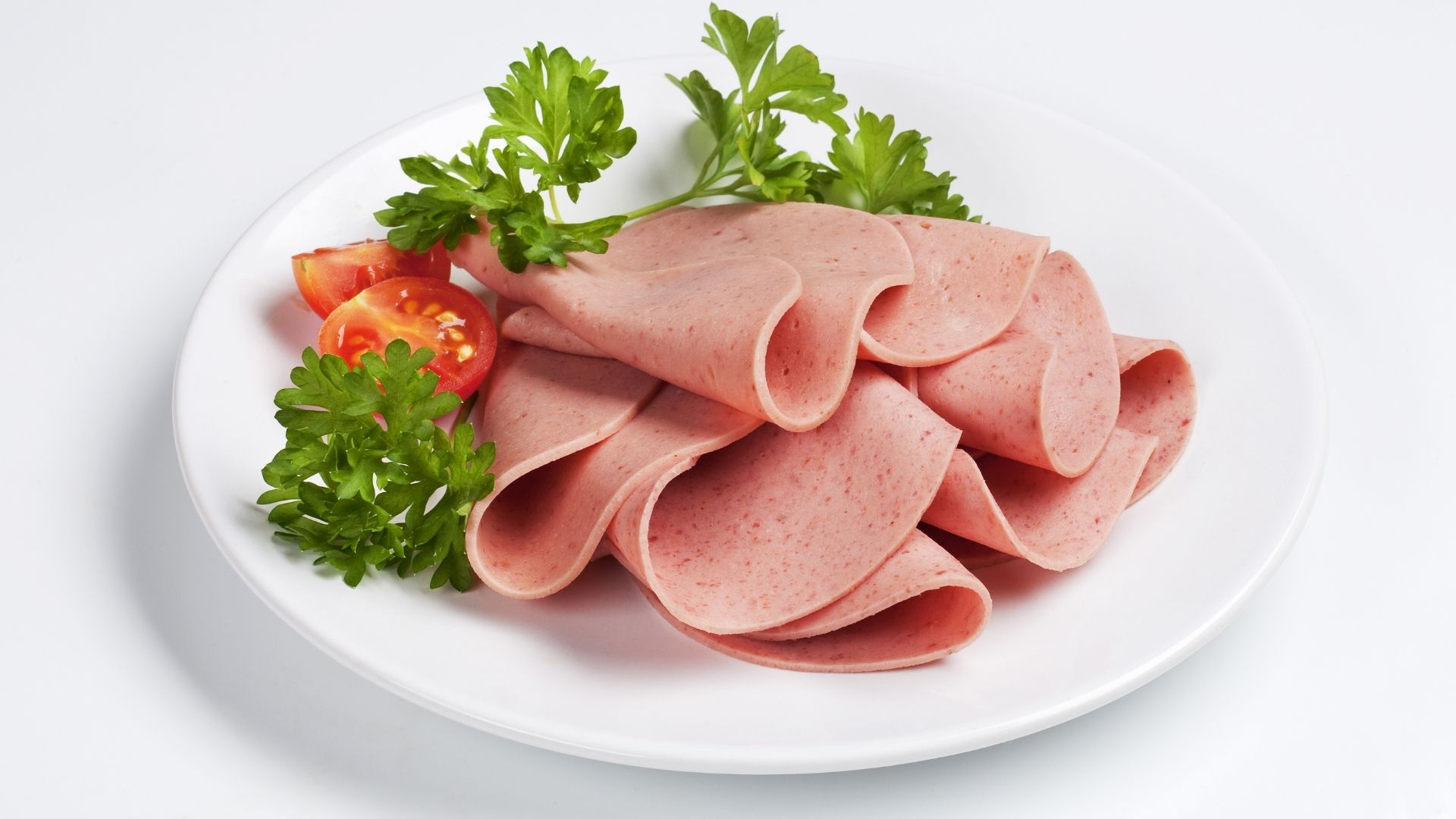
Bologna is the everyman’s deli meat. The lunchbox champion. The pink disk of childhood simplicity. It’s the star of fried bologna sandwiches, a staple in Midwest refrigerators, and the subject of at least one famous novelty song. It’s nothing if not beloved.
Bologna tastes… reliable. Salty, simple, slightly mysterious in origin. You never ask what it’s made of because the answer is likely “don’t worry about it.” It’s smooth, uniform, and almost too perfect — like a food created by a committee of scientists trying to design the safest possible flavor.
It’s not intimidating. It never bites back. It doesn’t challenge your soul or your stomach. It just… exists. Happily. Passively. Mildly proud of itself.
Germany’s Pig-Face-in-Jelly: Culinary Courage Made Visible
Then you cross into Germany and suddenly you’re face-to-face — quite literally — with a gelatin-encased pig visage staring at you from a butcher’s display. It’s called Sülze or Schwartenmagen, and it is not subtle. It is meat that wants you to acknowledge where it came from. It demands respect. It demands emotional maturity.
There is nothing anonymous about it. Nothing gentle. Nothing that whispers “don’t worry.” Instead, it screams, “Yes, this once had thoughts and now it’s dinner. Good luck.”
Where bologna hides its origins, Sülze presents them like a museum exhibit.
How Did We Get Here? A Cultural Food Tale
American Lunch Culture: Comfort First
America’s relationship with bologna fits a country that invented the drive-thru, the kids’ menu, and the portable cheese stick. Lunch often means quick, familiar, kid-friendly food. Bologna is nostalgic. It reminds millions of childhood sandwiches in school cafeterias and grandparents’ kitchens. America values convenience and comfort — and bologna delivers both.
In the American meat universe, the scale goes something like this:
- Bologna: mild, soft, pleasing
- Salami: slightly adventurous
- Pepperoni: party food
- Hot dog: patriotic mystery tube
- Head cheese: “We don’t talk about that”
Head cheese exists in America — but most people assume it’s a horror-novel joke until someone from Eastern Europe politely explains it’s real.
German Meat Philosophy: Nothing Wasted
Germany, however, comes from a long tradition of butchers who believed in whole-animal usage, efficiency, and respect for livestock. Sausages and jellied meats weren’t just food — they were preservation technology and culinary heritage.
Germany’s approach can be summarized simply:
- If the animal gave its life, you honor that by using everything.
- Texture is to be challenged, not feared.
- Jelly is a delivery system for protein, not just dessert.
This is a country where sausage isn’t just food. It’s identity. There are hundreds of regional varieties. There are festivals celebrating them. Entire careers revolve around mastering the art of German sausage making.
Bologna never stood a chance against that level of cultural intensity.
Taste Test — Theoretical, Unless You’re Brave
Bologna: Pillowy, Polite, Predictable
Imagine a cloud. Now imagine that cloud is meat-flavored. That is bologna.
Flavors:
- Mild saltiness
- Gentle smokiness (if you’re lucky)
- Texture of “smooth, edible sponge”
There is no crunch, no resistance, no surprise. Bologna will never shock you. It will never test your limits. It is deli meat designed for peace and quiet.
Pig Face in Jelly: A Journey
Eating Sülze is an experience. Textures vary. Flavors develop. There are herbs, spices, vinegar notes, and yes… occasional cartilage. The jelly itself can be refreshing or confusing, depending on your life choices and personal bravery.
It doesn’t melt in your mouth — it negotiates with you.
Does it taste good? Many would say yes. But it requires commitment and emotional maturity that most baloney-sandwich eaters simply have not trained for.
Visual Appeal (Or Shock Value)
Bologna Presentation
Round. Flat. Pink. Predictable. You could draw bologna from memory blindfolded, and it would look the same.
No drama. No surprises. Even the occasional olives or pepper specks in “fancy bologna” barely count as risk.
Pig Face in Jelly Presentation
Imagine walking into a shop, expecting sandwiches, and instead you make eye contact with your entrée. This is not a food — this is a statement. This is culinary confidence bordering on intimidation.
It says:
“I am meat, and I am proud. Fear me if you must, but respect me first.”
If bologna is the boy next door, pig-face jelly is the mysterious war veteran who doesn’t talk about his past.
Nutritional Showdown
Let’s be honest: no one reaches for either of these because they’re training for a fitness competition.
- Bologna: reliable source of sodium and childhood memories
- Pig-face jelly: protein + collagen + a surprising amount of vitamins
If nutrition were the goal, Germany wins. But since the goal of processed meat is “tasty convenience that does not ask questions,” America takes the comfort category.
Which One Would a Child Eat?
This is the easiest category of the entire competition.
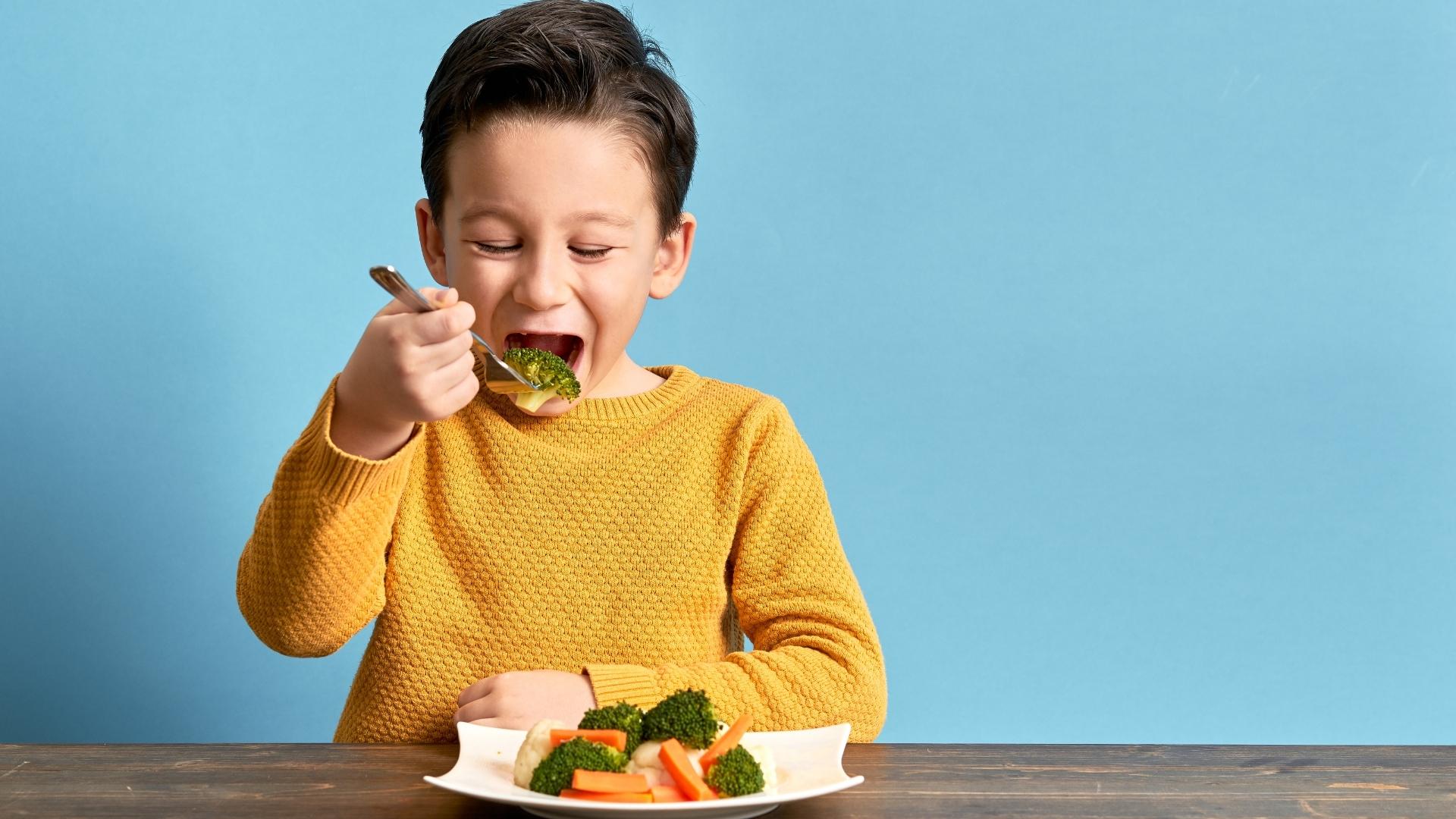
- Bologna: Every kid in America has eaten it, loved it, then grown up and felt oddly nostalgic about it.
- Pig face in jelly: No child willingly chooses this unless they are raised in a German village and their first words were “Wurst bitte.”
In fairness — German kids grow up strong. American kids grow up debating if ketchup counts as a vegetable. There is a correlation somewhere.
Cultural Pride and Food Identity
America’s Bologna Pride
Americans love foods that reflect childhood, convenience, and playful simplicity. Bologna is a sandwich democrat — it appears at picnics, diners, school cafeterias, and campgrounds. It doesn’t judge. It doesn’t brag. It sits quietly in its plastic package, waiting to be fried or slapped between slices of white bread with mustard and a cheese slice.
Bologna is humble patriotism in meat form.
Germany’s Sülze Pride
Meanwhile, Germany champions food that reflects craftsmanship, tradition, and resourcefulness. They could make their meats subtle — but why? They revel in bold flavors, brave textures, and culinary honesty.
If a German dish could talk, it would say,
“This is meat. You will understand and respect nature today.”
So… Who Actually Wins?
This isn’t just a food comparison — it’s a philosophical study.
If the criteria is bravery:
Germany wins by a landslide. You don’t casually choose food that stares back.
If the criteria is comfort:
America holds strong. Bologna never scared a soul.
If the criteria is cultural depth:
Germany again — though American nostalgia is powerful in its own right.
If the criteria is “which one your stomach trusts at 2 p.m. on a workday?”
Sorry, pig face. Bologna wins in the office-refrigerator category every time.
In truth?
Nobody loses.
These foods reflect two nations’ histories, values, and humor.
America believes in comfort and convenience.
Germany believes in heritage and culinary courage.
Both feed their people in ways that tell a story.
And honestly — if you can laugh, debate, and swap sandwiches along the way, everybody wins.
Final Slice: What This Showdown Really Teaches Us
Food differences are funny. Sometimes shocking. Sometimes confusing. And often delicious in their own strange way. What seems normal in one country looks wild in another — and that’s what makes global cuisine so fascinating.
So whether you’re spreading mustard on soft bologna or bravely forking into a shimmering slice of Sülze, remember:
- Your comfort food might be someone else’s dare challenge.
- Your childhood favorite might be another culture’s curiosity.
- Your “no thank you” dish might be someone’s grandmother’s specialty.
The world is big, taste buds are weird, and culinary diversity keeps things entertaining.
So eat proudly, laugh often, and if you ever find yourself in a German deli staring into the eyes of your lunch — take a deep breath, respect the pig, and maybe start with just one bite.
Because food courage is a muscle — and somewhere out there, a German child is absolutely already tougher than all of us.