
 TFC
TFC Italy isn’t just a destination — it’s a rhythm, a ritual, a deliciously orchestrated way of living where every small act, from sipping coffee to saying hello, follows an unspoken code. For travelers, it’s easy to get swept away by the country’s postcard beauty — the cobbled alleys of Florence, the chaotic charm of Naples, the sunset haze of Rome — but to truly experience Italy, you have to look beyond the sights.
You have to understand the culture of subtle rules — the ones every Italian grows up knowing but never explains out loud.
And yes, one of those rules involves never ordering a cappuccino after 11 AM.
The Cappuccino Rule: Why Italians Think You’re Crazy for Drinking Milk After Breakfast
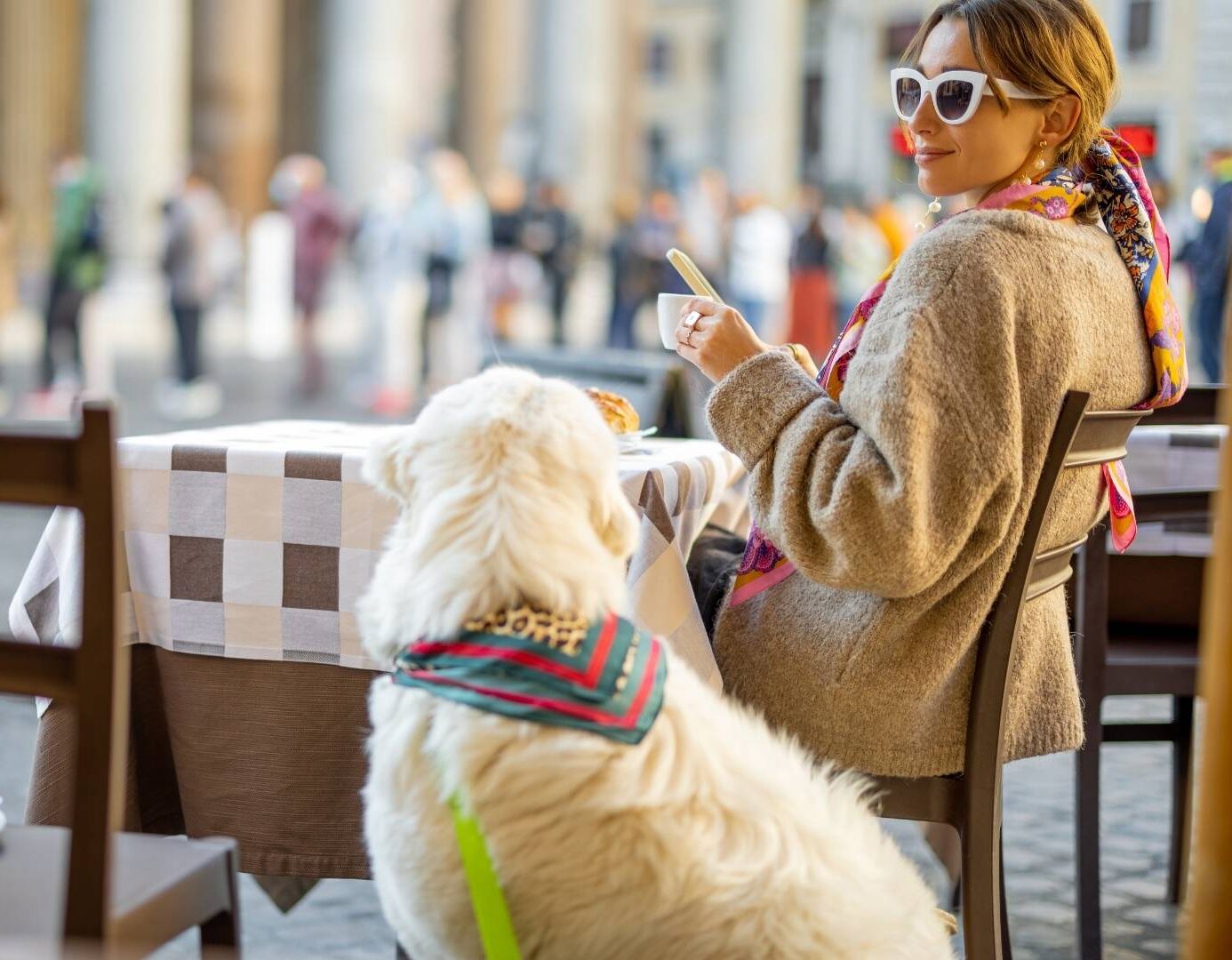
Let’s start with the most famous cultural landmine: ordering a cappuccino after lunch.
If you stroll into an Italian café at 3 PM and ask for a cappuccino, the barista won’t say anything rude. They’ll smile politely — maybe even chuckle — but behind that espresso machine, they’re thinking, “Ah, another tourist.”
The reason?
In Italy, cappuccino is a breakfast drink, not an all-day beverage. Italians see milk-heavy drinks like cappuccino or caffè latte as a morning meal — something that pairs with a pastry (a cornetto, maybe) before heading off to work.
Drinking milk after a meal is thought to be too heavy on the stomach. Italians prefer to end lunch or dinner with a quick, sharp espresso — a single sip that helps “digest” the food and resets the palate.
So when a tourist orders a cappuccino at 4 PM, it’s not just about the time — it’s about breaking an invisible cultural rule.
In a country where food is sacred, this little faux pas feels like showing up to a wedding in flip-flops.
Never Cut Your Spaghetti (Please, Don’t Do It)
Here’s another one that’ll make Italians flinch — cutting pasta with a knife.
To Italians, pasta isn’t just food. It’s a national identity. Every region takes pride in its pasta shape, sauce, and method — from Rome’s silky carbonara to Bologna’s meaty ragù.
Cutting spaghetti, linguine, or tagliatelle is like slicing through centuries of culinary tradition. Instead, Italians twirl it delicately with a fork (sometimes with a spoon, but not always). The trick is to let the pasta dance naturally around the fork.
Tourists often struggle with this — and that’s fine — but if you want to blend in, put the knife down. The pasta will forgive you. The waiter might not.
Mealtime Matters: Don’t Expect Dinner Before 8 PM
In Italy, time runs differently — especially when it comes to food.
Tourists, especially from the US or northern Europe, often head out for dinner around 6:30 PM. But at that hour, most Italian restaurants are either closed or just preparing to open. Locals don’t even think about dinner until 8 PM — sometimes later in the summer.
That’s because Italian eating culture is as much about socializing as it is about eating. Dinner is an event, a slow and joyful gathering of friends, laughter, and conversation.
Here’s the general rhythm:
-
Breakfast: Light — a coffee and pastry, standing at the bar.
-
Lunch: The main meal of the day, usually between 1–2:30 PM.
-
Aperitivo: Around 6–8 PM — small snacks and drinks before dinner.
-
Dinner: Rarely before 8 PM, often stretching late into the night.
So if you show up at a trattoria at 6 PM and wonder why no one’s there, you’re not unlucky — you’re just early by Italian standards.
Don’t Ask for a Cappuccino With Your Pizza — Order Wine or Water
It’s not just about coffee timing — what you drink with your meal matters, too.
In Italy, there’s a clear cultural divide between “meal drinks” and “standalone drinks.” Coffee is for after the meal, not during. Wine and water are the standard companions to food — wine for the flavor, water for the balance.
Italians will never order a cappuccino or latte with pasta or pizza. The thought of pairing tomato sauce with warm milk is, to them, almost comical.
If you want to drink coffee, wait until after dessert. Then, and only then, can you order an espresso — and it’ll come in a tiny cup that you finish in one or two sips.
Greetings Are a Big Deal (and So Is Personal Space)
Italians are famously expressive, but greetings follow strict unwritten etiquette.
Friends and family greet each other with two kisses on the cheek — first on the left, then on the right — but strangers or new acquaintances often just shake hands.
What surprises many tourists is that Italians value personal space differently. They stand close, maintain eye contact, and use hand gestures liberally, but they don’t appreciate forced intimacy. Jumping straight to hugging or calling someone by their first name too quickly can come off as forward.
And if you walk into a small shop, don’t just start browsing silently. Always say “Buongiorno” (good morning) or “Buonasera” (good evening). It’s a simple gesture, but skipping it is considered rude.
Dress Like You Mean It
Italians are known for their effortless style — but it’s not about being fancy, it’s about being presentable. Even when running errands, locals tend to dress neatly.
Tourists wearing flip-flops, beachwear, or workout clothes in city centers often draw stares. The Italian mindset is that how you present yourself shows respect for the place you’re in.
That’s also why you’ll rarely see Italians walking around eating or drinking from takeout cups. Meals are meant to be enjoyed sitting down. Street food exists, of course, but it’s eaten with intention — not while rushing to catch a bus.
If you want to blend in, pack well-fitted clothes, clean shoes, and leave the athleisure for the gym.
Money Matters: Why Tipping Is Subtle
Tipping culture in Italy is refreshingly straightforward — and much less intense than in the US.
Service charges (coperto) are often included in the bill, especially at restaurants. It’s perfectly acceptable to round up or leave a small extra amount — say, one or two euros — if service was good.
Leaving 15–20% is not expected, and in some cases, might even confuse the waiter.
What Italians do appreciate, though, is gratitude. A sincere “Grazie mille!” (thank you very much) or complimenting the meal often means more than a large tip.
Don’t Expect Iced Coffee (or To-Go Cups)
If you’re addicted to iced lattes or giant to-go coffees, brace yourself — Italy doesn’t do coffee on the run.
Coffee is a ritual, meant to be savored quickly at the counter (al banco). It’s common to stand, drink your espresso in one sip, exchange a few words with the barista, and move on.
While some modern cafés in cities like Milan or Rome are adapting to international trends, traditional bars still serve coffee the Italian way: hot, small, and immediate.
And if you ask for an “iced coffee,” you might get a puzzled look — unless you say caffè shakerato, a sweet, shaken espresso served chilled in a glass.
Language: Don’t Assume Everyone Speaks English
Many Italians do speak some English, especially in tourist zones, but the effort to use basic Italian phrases goes a long way.
Even simple words like:
-
Per favore — Please
-
Grazie — Thank you
-
Prego — You’re welcome
-
Scusi — Excuse me
…can turn a quick exchange into a warm interaction. Italians appreciate effort more than perfection.
And if you get stuck, hand gestures will likely save the day — it’s a universal language here.
Driving Like an Italian (or Trying To)
Renting a car in Italy can be both exhilarating and terrifying.
The rules of the road exist, but there’s also a certain fluidity to how they’re applied. Drivers are confident, fast, and expressive — especially with the horn. Lanes are more like suggestions than boundaries, and parking often looks like a creative art form.
If you’re driving, stay alert, stay calm, and don’t take it personally. What seems like aggression is often just passion — the Italian way of communicating without words.
Churches, Silence, and Respect
Italy is filled with stunning churches — many of which are active places of worship. Tourists often wander in wearing shorts or sleeveless tops, not realizing it’s disrespectful.
When entering a church, always cover your shoulders and knees, and keep your voice low. It’s not about religion — it’s about respect for sacred spaces.
The same goes for taking photos. Some churches prohibit photography, and it’s good etiquette to ask before snapping pictures.
The Gelato Rule: How to Spot the Real Thing
A sweet ending — literally. Gelato is Italy’s gift to the world, but not all gelato is authentic.
Tourists are often drawn to bright, towering mounds of gelato piled high in neon colors. But locals know that real gelato:
-
Has muted, natural colors, not electric blue or lime green.
-
Is stored flat, not overflowing.
-
Is made fresh daily, with short ingredient lists.
If the pistachio looks neon green, it’s fake. If it’s pale beige, congratulations — you’ve found the real deal.
Blending In: The Beauty of Observing, Not Imitating
The magic of Italy isn’t in following every rule perfectly. It’s in observing how Italians live, move, and connect — then slowly syncing into that rhythm.
When you pause at a café counter for your morning espresso, walk instead of rush, dress with a touch of care, and enjoy meals the way Italians do — unhurried, present, passionate — you stop being a tourist.
You become part of the flow of Italy itself.
Because Italy isn’t about checking off landmarks. It’s about learning the art of slowing down, savoring each moment, and respecting the tiny rituals that make everyday life feel extraordinary.
So next time you find yourself in Rome or Florence at 3 PM, craving coffee — skip the cappuccino. Order an espresso. Sip it standing. Smile at the barista.
Just like a local.