
 TFC
TFC Japan is a country where tradition meets modernity, where neon-lit skyscrapers coexist with centuries-old temples, and where a seemingly ordinary day can feel extraordinary to a visitor. For first-time travelers, Japan’s daily life is full of small surprises — habits that locals take for granted, but outsiders might find unusual, confusing, or downright shocking.
From meticulous cleanliness to social etiquette that feels almost ritualistic, these habits reveal the values, history, and culture that shape Japanese life. If you’re planning your first trip, here are 10 everyday habits in Japan that might shock you — and why they exist.
1. Taking Off Shoes Indoors
One of the first things travelers notice in Japanese homes, traditional inns (ryokan), and even some restaurants is the practice of removing shoes before entering. In many homes, slippers are provided, and certain areas, like tatami mat rooms, require special socks or indoor-only slippers.
This habit may shock Western visitors who are used to walking through homes in shoes, but it reflects Japan’s deep-rooted emphasis on cleanliness and respect. Shoes are seen as carriers of dirt and germs, so leaving them at the door preserves the indoor space.
2. Extreme Public Quietness
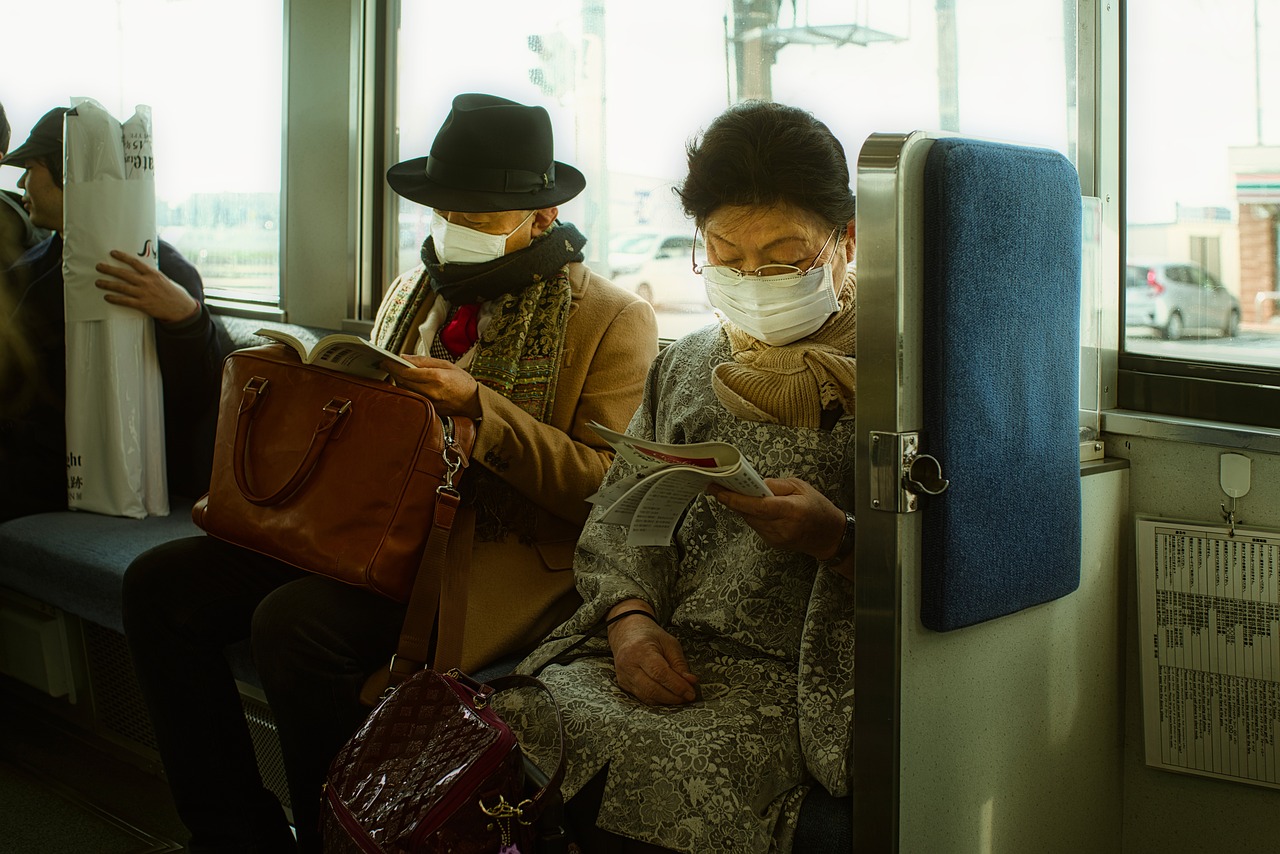
Ride a train, sit in a café, or walk down a busy street in Japan, and you’ll notice something unusual: people are remarkably quiet in public spaces. Talking on cell phones on trains is frowned upon, and even conversations are often hushed.
For first-time travelers used to lively commutes or noisy cafés, this quiet can feel eerie. But it reflects a societal respect for others and the cultural value of wa, or harmony. Public silence is a way to avoid disturbing others, even in crowded urban environments like Tokyo or Osaka.
3. Eating Standing Up at Convenience Stores
Japanese convenience stores (konbini) are everywhere and offer quick meals, from bento boxes to onigiri (rice balls). What surprises many travelers is that locals often eat standing up near the counter rather than sitting down.
This habit is practical — it’s quick, efficient, and fits the fast pace of daily life. Some stores even provide small eating counters for customers. While it might feel awkward to foreigners, it’s simply part of urban Japanese culture, especially for busy office workers on short lunch breaks.
4. Meticulous Queueing
If you’ve ever tried to board a train in Japan, you’ll notice something extraordinary: orderly queues. People line up patiently, even during rush hour, following clear markers on the platform that indicate where doors will open.
First-time visitors might find it almost unnerving how everyone waits calmly, without pushing or cutting. This habit embodies the Japanese respect for order and consideration for others — a principle that extends beyond trains to shops, elevators, and even amusement parks.
5. Politeness in Everyday Interactions
Japanese people are extremely polite in daily life. Simple acts — bowing when greeting, using honorific language, thanking store clerks with a slight nod — are deeply ingrained.
For first-time travelers, these habits may feel over-the-top or formal. But they reflect Japan’s social philosophy, emphasizing respect, humility, and smooth interpersonal relationships. Even small gestures, like handing money to a cashier with both hands, demonstrate consideration and attentiveness.
6. The Culture of Gift-Giving
Gift-giving is a common habit in Japan, not just for birthdays or holidays, but in daily life. Travelers might be surprised when a colleague, neighbor, or even a shop clerk presents a small gift or souvenir as a token of appreciation.
This custom, known as omiyage, reinforces social bonds and gratitude. Travelers can participate by bringing small gifts from their home country when visiting someone, but even witnessing this habit in everyday transactions can be a revelation.
7. Recycling and Sorting Trash
Japan’s waste management system is famously strict. Travelers often find themselves confused by the multiple bins for burnable, non-burnable, plastic, and recyclable waste — and even stricter rules in residential areas.
What seems complicated to outsiders is part of Japan’s habit of meticulous organization and respect for the environment. First-time visitors are often amazed by how seriously locals adhere to these rules — and how clean streets remain, even in bustling cities.
8. Bathing Rituals at Onsen and Public Baths
For many travelers, stepping into a Japanese public bath (onsen or sento) is an unforgettable experience — and not just for the warm water. The rituals can be surprising: thorough washing and rinsing before entering the communal bath, soaking quietly, and avoiding splashing.
This habit reflects Japan’s cultural focus on cleanliness, mindfulness, and relaxation. First-time visitors may be shocked at the strict etiquette, but following it leads to one of the most uniquely Japanese experiences of all.
9. Seasonal Attention to Detail
In Japan, the changing seasons influence daily habits in subtle ways. Locals display seasonal decorations, enjoy seasonal foods, and even adjust their clothing or activities according to the time of year.
For travelers, this might be surprising: eating sakura-flavored treats in spring, observing summer festivals, or following precise seasonal rituals. These habits show the Japanese appreciation for nature and mindfulness in everyday life.
10. Punctuality in Every Aspect of Life
Punctuality is a deeply ingrained habit in Japan. Trains, buses, appointments, and social events run like clockwork, and being late is considered rude.
For first-time travelers from countries with more relaxed schedules, this can be shocking. Even minor delays in transportation are treated seriously. This habit emphasizes reliability, respect for others’ time, and societal efficiency — values that permeate Japanese daily life.
Why These Habits Matter
Japan’s daily habits might shock first-time visitors, but they are more than quirks — they are expressions of culture, respect, and shared values. Each habit, from quiet public spaces to meticulous recycling, reflects principles like wa (harmony), omotenashi (hospitality), and mindfulness.
Understanding these habits enriches travel experiences, allowing visitors to navigate daily life more smoothly and appreciate the depth of Japanese society.
Quick Tips for Travelers
-
Observe and follow locals: Watch how Japanese people interact before trying customs yourself.
-
Be polite and patient: Bow, smile, and use basic Japanese phrases where possible.
-
Respect space and privacy: Avoid loud conversations in public and give people room.
-
Learn recycling rules: Check signs and separate your trash correctly.
-
Embrace rituals: Enjoy bathing customs, seasonal festivals, and gift-giving etiquette — they’re all part of the experience.
Final Thoughts
Japan may feel unusual at first glance, but its daily habits reveal a society that values order, respect, and harmony. From taking off your shoes to lining up perfectly at a train station, these habits might shock newcomers, but they also offer a window into a deeply mindful culture.
Traveling in Japan is about more than visiting landmarks — it’s about immersing yourself in the rhythms of everyday life, noticing small details, and appreciating the thoughtfulness embedded in seemingly ordinary actions.
Master these habits, and you won’t just avoid awkward moments — you’ll connect with Japan on a level many tourists never experience.