
 TFC
TFC What if the secret to better focus, stable energy, fewer cravings, and even a calmer mind wasn’t in your head—but in your gut?
It sounds dramatic, but science is catching up to something ancient food cultures have known for centuries: your gut isn’t just about digestion. It’s more like a control center. A second brain. A decision-maker that quietly influences how you feel, think, and function every single day.
And the fastest way to upgrade it? Fermented foods.
These aren’t trendy superfoods invented by influencers. They’re traditional, powerful, and shockingly effective. When you eat them consistently, they can shift your gut microbiome—the trillions of bacteria living inside you—in ways that impact everything from your mood to your metabolism.
Let’s break down how this works… and then get into the 14 fermented foods that can genuinely “rewire” your gut.
Why Your Gut Is Basically a Second Brain
Your gut and brain are constantly talking through something called the gut-brain axis. This connection is so strong that:
- Around 90% of serotonin (your “feel-good” hormone) is produced in the gut
- Your gut bacteria influence stress, anxiety, and even decision-making
- Imbalances in gut bacteria are linked to fatigue, brain fog, and cravings
When your gut is healthy, you feel it: stable energy, better mood, clearer thinking. When it’s off, everything feels harder.
This is where fermented foods come in.
What Makes Fermented Foods So Powerful?

Fermentation is a natural process where beneficial bacteria break down sugars and starches in food. The result?
- A massive boost of probiotics (good bacteria)
- Better digestion and nutrient absorption
- Reduced inflammation
- Improved gut diversity (which is key for resilience and health)
Think of fermented foods as “live upgrades” for your gut ecosystem.
14 Fermented Foods That Can Transform Your Gut
1. Yogurt (Dahi)
A staple in Indian households—and for good reason. Homemade curd is packed with live cultures that support digestion and soothe the gut lining.
Best tip: Go for fresh, homemade dahi over packaged versions loaded with sugar.
2. Kefir
Think of kefir as yogurt’s more powerful cousin. It contains a wider variety of probiotic strains and is easier to digest, especially if you’re sensitive to dairy.
Bonus: Many people who struggle with milk tolerate kefir better.
3. Sauerkraut
Fermented cabbage might not sound exciting, but it’s one of the most potent probiotic foods out there.
Why it works: It’s rich in fiber + probiotics—a double win for gut health.
4. Kimchi
A spicy Korean staple made from fermented vegetables like cabbage and radish.
Gut benefit: Combines probiotics with anti-inflammatory compounds and antioxidants.
5. Kombucha
This fizzy fermented tea has become wildly popular—and for good reason.
What it does: Supports digestion, reduces bloating, and may help balance gut bacteria.
Watch out: Avoid overly sugary versions.
6. Miso
A fermented soybean paste used in Japanese cooking, especially soups.
Why it matters: It’s rich in probiotics and compounds that support gut lining repair.
7. Tempeh
Another fermented soy product, but with a firm texture and high protein content.
Perfect for you if: You’re avoiding paneer/eggs—this is a great plant-based protein + probiotic combo.
8. Pickles (Achar – but the right kind)
Not all pickles are created equal. Traditional, naturally fermented pickles (without vinegar) are probiotic-rich.
Tip: Look for homemade or naturally fermented versions, not store-bought vinegar-heavy ones.
9. Kanji
A traditional North Indian fermented drink made from black carrots, mustard seeds, and water.
Underrated gem: It’s incredibly powerful for digestion and gut cleansing.
10. Apple Cider Vinegar (With the “Mother”)
While not a probiotic powerhouse like others, it supports digestion and creates a gut-friendly environment.
How to use: 1 tsp in water before meals.
11. Idli & Dosa Batter
Yes, your everyday South Indian staples count!
Why they help: The fermentation process increases bioavailability of nutrients and supports gut bacteria.
12. Sourdough Bread
Unlike regular bread, sourdough is fermented, making it easier to digest and less likely to spike blood sugar.
Good news: You don’t have to give up carbs—just choose better ones.
13. Buttermilk (Chaas)
Light, hydrating, and perfect for Indian summers.
Gut benefit: Helps cool the system, improve digestion, and add beneficial bacteria.
14. Fermented Vegetables
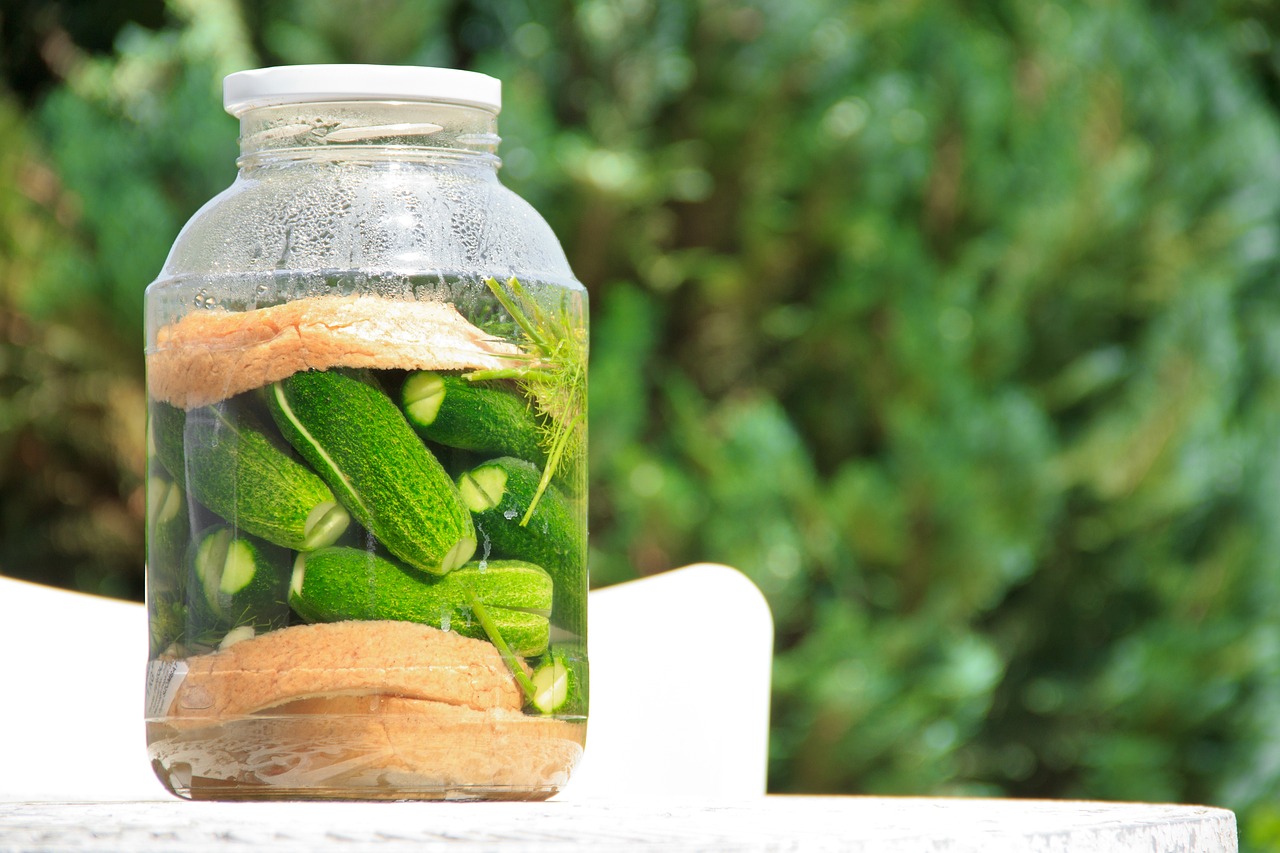
Think beyond cabbage—carrots, beets, cucumbers—all can be fermented at home.
Why it matters: You get fiber + probiotics together, which is ideal for gut diversity.
What Happens When You Start Eating These Regularly?
This isn’t overnight magic—but within a couple of weeks, many people notice:
- Less bloating and better digestion
- Reduced cravings (especially sugar)
- More stable energy throughout the day
- Better mood and mental clarity
- Improved immunity
Over time, the changes go deeper. Your gut becomes more resilient, meaning it can handle stress, travel, and dietary changes better.
The Mistake Most People Make
They try to do too much, too fast.
Adding 5–6 fermented foods suddenly can actually cause bloating or discomfort. Your gut needs time to adjust.
Start simple:
- Add 1–2 fermented foods daily
- Keep portions small at first
- Stay consistent
Think of it as training your gut, not shocking it.
How to Build This Into Your Daily Routine (Without Overthinking It)
You don’t need a complicated plan. Just layer these into your existing meals:
- Morning: Chaas or a small bowl of curd
- Lunch: Add a side of pickle or fermented veggies
- Snack: Kombucha or kefir (optional)
- Dinner: Idli/dosa or a small portion of fermented food
Even doing this 4–5 days a week can make a noticeable difference.
The Bigger Picture: This Is About More Than Digestion
When your gut improves, everything else follows.
You’re not just “fixing digestion”—you’re upgrading how your body functions as a whole:
- Better workouts (more energy, less fatigue)
- Improved focus for work
- More stable mood (less irritability, fewer crashes)
- Stronger immunity
It’s subtle at first. Then suddenly, you realize—you just feel better, more often.
Final Thought
Your gut isn’t just reacting to what you eat. It’s learning from it. Adapting. Evolving.
And fermented foods? They’re one of the fastest ways to teach your gut to work with you instead of against you.
You don’t need extreme diets or expensive supplements. Just a few smart additions, done consistently.
Start small. Stay consistent. And let your gut do the rest.