
 TFC
TFC Airports are strange places when it comes to food. Travelers are often tired, rushing between terminals, or trying to grab a quick meal before boarding. In that moment, almost anything available at the airport can seem tempting.
However, flight attendants — people who spend hundreds of hours every year in airports and airplanes — say some foods are better avoided before a flight. Their advice isn’t just about taste or price. It’s about how food behaves inside the body once you’re sitting inside a pressurized airplane cabin for several hours.
Cabin pressure, dry air, limited movement, and digestion all interact in ways many travelers don’t think about. Certain foods can lead to bloating, dehydration, stomach discomfort, or even food poisoning mid-flight — something nobody wants to experience at 35,000 feet.
Here are ten foods flight attendants say you should think twice about ordering before boarding your next flight.
1. Heavy Fried Foods
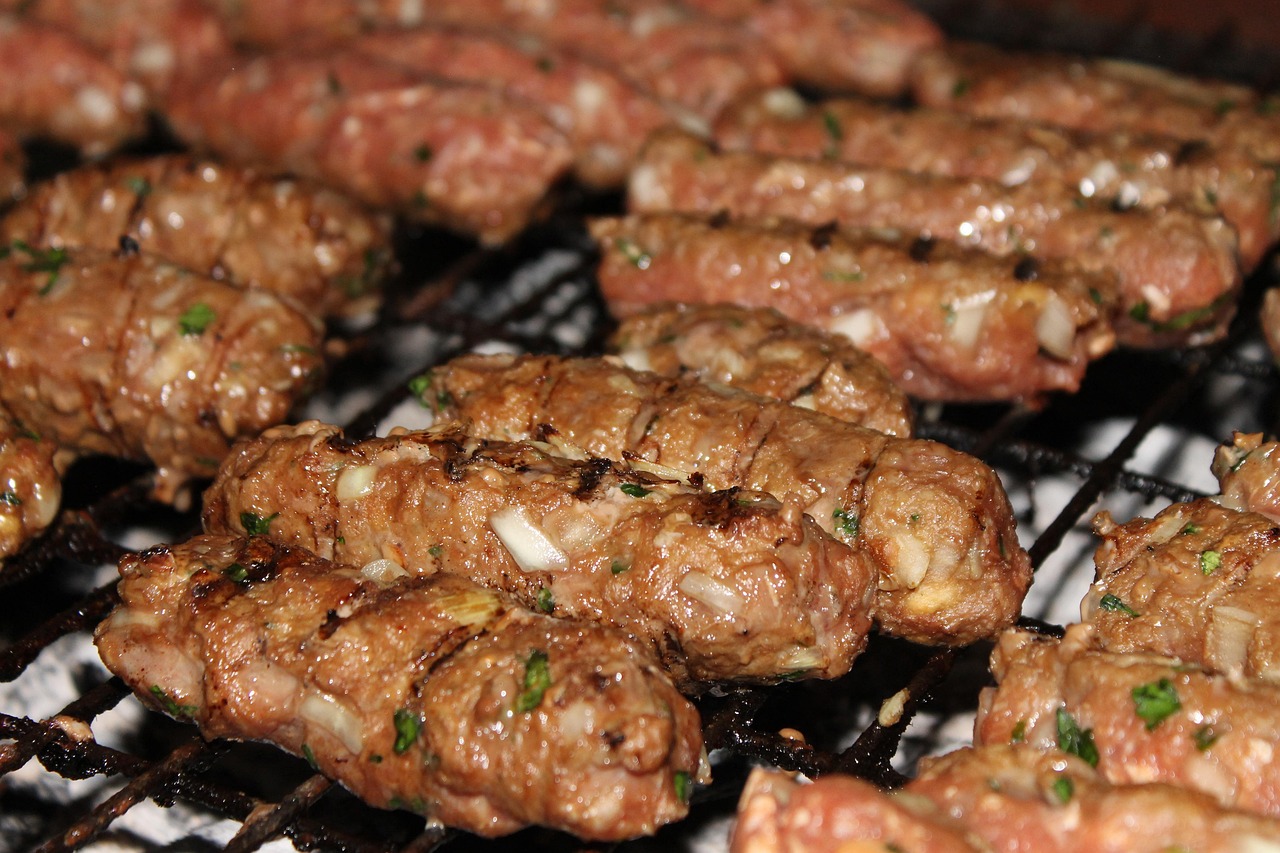
Fried foods like chicken wings, fries, onion rings, or fried fish are common at airport restaurants because they’re quick and popular.
But flight attendants say these foods are among the worst things to eat before flying.
Fried meals are high in fat and take longer for the body to digest. Inside an airplane cabin, digestion slows down even further because of the lower air pressure and limited movement. This can lead to bloating, heartburn, and general discomfort during the flight.
A greasy meal may feel satisfying at the gate, but it often becomes unpleasant once you’re seated for hours.
2. Raw Seafood

Sushi counters are now common in major international airports, and while sushi can be a healthy option in the right setting, many flight attendants avoid it in airports.
The concern isn’t sushi itself — it’s freshness and food safety. Raw seafood requires strict temperature control and fast turnover. If an airport restaurant has lower customer traffic or long display times, freshness may not always be guaranteed.
Food poisoning before a flight is a nightmare scenario. Being sick in the air, with limited medical support and small bathrooms, is something experienced travelers try hard to avoid.
3. Large Burritos or Bean-Heavy Meals
Many airport terminals feature Mexican-style fast food counters serving large burritos packed with beans, cheese, sauces, and rice.
While these meals are filling and convenient, they can cause digestive problems during flights.
Beans and certain carbohydrates produce gas during digestion. When combined with cabin pressure changes and sitting still for hours, bloating can become much worse than it would normally be.
This isn’t just uncomfortable for the person eating — it can affect nearby passengers as well.
4. Alcohol at the Airport Bar
For many travelers, the airport bar marks the official start of vacation. A beer, cocktail, or glass of wine can feel like a relaxing way to pass the time before boarding.
But flight attendants often advise moderation or even skipping alcohol altogether before a flight.
Alcohol affects the body more strongly at altitude, even inside a pressurized cabin. It also contributes to dehydration, which is already a problem during flights because airplane air is extremely dry.
Drinking alcohol before boarding can leave passengers feeling more tired, dizzy, or dehydrated during the journey.
5. Strong-Smelling Foods
Foods with strong aromas — such as garlic-heavy dishes, tuna sandwiches, or certain curries — might taste great in a restaurant setting. But inside an airplane cabin, they can quickly become unpleasant.
Airplane cabins recycle air, and strong food smells can linger for hours. This is especially noticeable on long flights where passengers remain in close quarters.
Flight attendants often recommend choosing foods with milder aromas out of consideration for fellow travelers.
6. Creamy Pasta Dishes

Cream-based pasta dishes like fettuccine Alfredo or carbonara may seem like a comforting meal before flying.
However, these dishes tend to be rich, heavy, and difficult to digest.
Combined with the sedentary nature of air travel, creamy pasta can leave passengers feeling sluggish and overly full during the flight. Some people also experience acid reflux when consuming rich foods before sitting for long periods.
Lighter meals are generally a better choice before boarding.
7. Pre-Made Sandwiches Sitting in Display Cases
Many airport cafés sell sandwiches that have been sitting in refrigerated display cases for hours.
While these sandwiches may still be safe to eat, their quality often declines over time. Bread becomes dry, vegetables wilt, and ingredients lose freshness.
Frequent flyers often recommend ordering freshly prepared items instead of grabbing something that may have been sitting out for half the day.
8. Spicy Foods
Spicy dishes can be delicious, but they may not be ideal before a long flight.
Spicy foods can irritate the stomach lining and increase thirst. Combined with the extremely dry air in airplane cabins, this can lead to dehydration and discomfort.
Some passengers also experience acid reflux or indigestion after eating spicy meals and then sitting for extended periods.
9. Giant Sugary Desserts
Airport bakeries often sell oversized muffins, cakes, or sugary pastries designed to catch travelers’ attention.
While these treats may be tempting, they can cause rapid spikes in blood sugar followed by energy crashes.
Passengers who eat large amounts of sugar before a flight sometimes feel tired or sluggish shortly after takeoff.
10. Anything Extremely Salty
Salty foods like chips, pretzels, or processed snacks are extremely common in airport shops.
However, high sodium intake contributes to dehydration and water retention. Inside the dry cabin environment, this can make passengers feel bloated or thirsty throughout the flight.
This is one reason airlines often provide water frequently during long flights.
What Flight Attendants Recommend Eating Instead
So what should you eat before flying?
Many flight attendants recommend choosing meals that are light, balanced, and easy to digest. Some good options include:
Fresh fruit
Simple sandwiches
Grain bowls
Salads with light dressing
Yogurt or protein snacks
Hydration is also key. Drinking water before and during the flight helps reduce fatigue, headaches, and jet lag.
The Bottom Line
Airport food isn’t always designed with in-flight comfort in mind. It’s built for convenience and speed, not necessarily for how the body reacts during hours of air travel.
By choosing lighter foods and avoiding items that cause digestive issues or dehydration, travelers can make their flight experience significantly more comfortable.
The next time you’re waiting at the gate and considering a heavy meal, it might be worth remembering a simple rule many experienced travelers follow: the best pre-flight food is usually the simplest.