
 TFC
TFC For years, I avoided Paris.
Not because I didn’t want to go — but because I had heard too much about it. Overcrowded. Overhyped. Expensive. Full of tourists taking the same photos in front of the same landmarks. The kind of place people say you have to visit, but quietly admit doesn’t live up to expectations.
It had been labeled, time and again, as “the world’s most overrated destination.”
So naturally, I went in skeptical.
And I couldn’t have been more wrong.
The Reputation That Precedes It
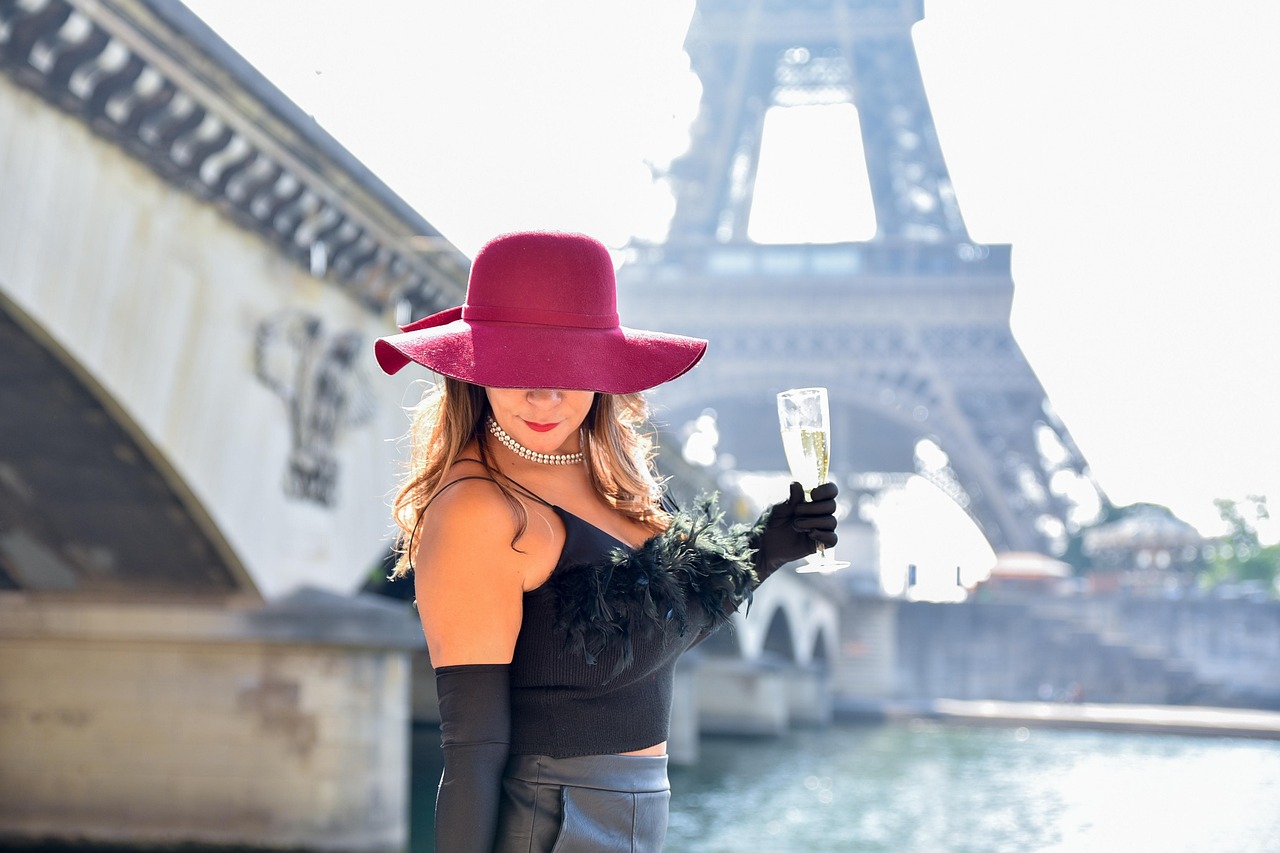
There’s a reason Paris has a complicated reputation. It’s one of the most visited cities in the world, drawing millions each year. With that comes long queues, crowded attractions, inflated prices, and the inevitable loss of “authenticity” that travelers crave.
Social media hasn’t helped either. Perfectly curated shots of the Eiffel Tower at golden hour set expectations impossibly high. When reality doesn’t match the fantasy, disappointment follows.
Some even talk about “Paris Syndrome” — a real phenomenon where visitors feel disillusioned when the city doesn’t meet their romanticized vision.
I expected all of this.
What I didn’t expect was how little it mattered once I got there.
First Impressions: Chaos, Crowds… and Something Else
Yes, the crowds are real. The area around the Louvre Museum is buzzing with people at almost any hour. Streets near major landmarks are filled with souvenir sellers, street performers, and tourists navigating maps.
But beneath the chaos, there’s something else — a rhythm.
Parisians walking briskly with purpose. Cafés spilling onto sidewalks. The quiet hum of conversations over coffee and wine. It’s not the polished, cinematic version you see online — it’s better. It’s lived-in.
And if you slow down, you start to see it.
The Paris Most Tourists Miss
The biggest mistake you can make in Paris is treating it like a checklist.
Once I stopped trying to “cover” the city and started simply existing in it, everything changed.
Mornings began with fresh croissants from a neighborhood boulangerie, still warm and impossibly flaky. Not from a famous spot — just a random corner bakery where locals lined up without taking photos.
Afternoons were spent wandering through quieter neighborhoods like Le Marais, where narrow streets are filled with independent boutiques, art galleries, and cafés that feel untouched by mass tourism.
Evenings were for sitting by the Seine River, watching the city transition from day to night. No टिकट needed. No lines. Just the soft glow of streetlights reflecting on the water.
This was the Paris I hadn’t heard about.
Yes, It’s Expensive — But It Doesn’t Have to Be

Another common complaint is cost. And yes, Paris can be expensive if you follow the typical tourist path.
But it doesn’t demand luxury to be enjoyed.
A simple picnic with bread, cheese, and wine from a local supermarket can feel more indulgent than a fine dining meal. Many of the city’s best experiences — walking along the Seine River, exploring hidden streets, sitting in public squares — are completely free.
Even museums often have discounted or free entry days if you plan ahead.
It’s not about spending more. It’s about experiencing differently.
The “Rude Parisian” Myth
Let’s address the stereotype.
Before visiting Paris, I had been warned countless times about unfriendly locals. The reality? It’s far more nuanced.
Parisians value politeness — but on their terms. A simple “Bonjour” before asking for help changes everything. Respect the culture, and the city opens up to you.
In fact, some of my most memorable interactions came from small moments — a café owner recommending a dish, a shopkeeper explaining the story behind a product, a stranger helping with directions.
The city doesn’t hand itself to you. You have to meet it halfway.
The Landmarks Are Famous for a Reason
It’s easy to dismiss iconic spots as tourist traps. But there’s a reason they became iconic in the first place.
Seeing the Eiffel Tower up close — not through a screen — is a different experience entirely. The sheer scale, the intricate ironwork, the way it dominates the skyline.
The Louvre Museum is overwhelming, yes — but also extraordinary. It’s not just about the Mona Lisa. It’s about walking through centuries of art, history, and human expression in one place.
These places aren’t overrated. They’re just often experienced in the most rushed, surface-level way.
Slowing Down Changed Everything
The turning point of my trip wasn’t a landmark or a must-see attraction.
It was a moment.
Sitting alone at a small café, watching the world go by. No itinerary. No pressure to “see more.” Just being present.
That’s when Paris started to make sense.
It’s not a city that reveals itself instantly. It unfolds slowly, in layers. And if you’re always rushing to the next spot, you miss it entirely.
So… Is It Overrated?
After everything, I understand why some people leave disappointed.
If you come expecting perfection, you’ll notice the flaws. The crowds, the prices, the occasional indifference.
But if you come with curiosity instead of expectations, the experience shifts completely.
Paris isn’t overrated.
It’s misunderstood.
Final Thoughts
Travel has a way of challenging our assumptions — and this trip did exactly that.
The place I had dismissed for years turned out to be one of the most rewarding destinations I’ve experienced. Not because it was flawless, but because it was real.
So if you’ve been avoiding a destination because it’s “too popular” or “too overrated,” maybe it’s worth reconsidering.
Sometimes, the places everyone talks about are popular for a reason.
You just have to experience them the right way.