 TFC
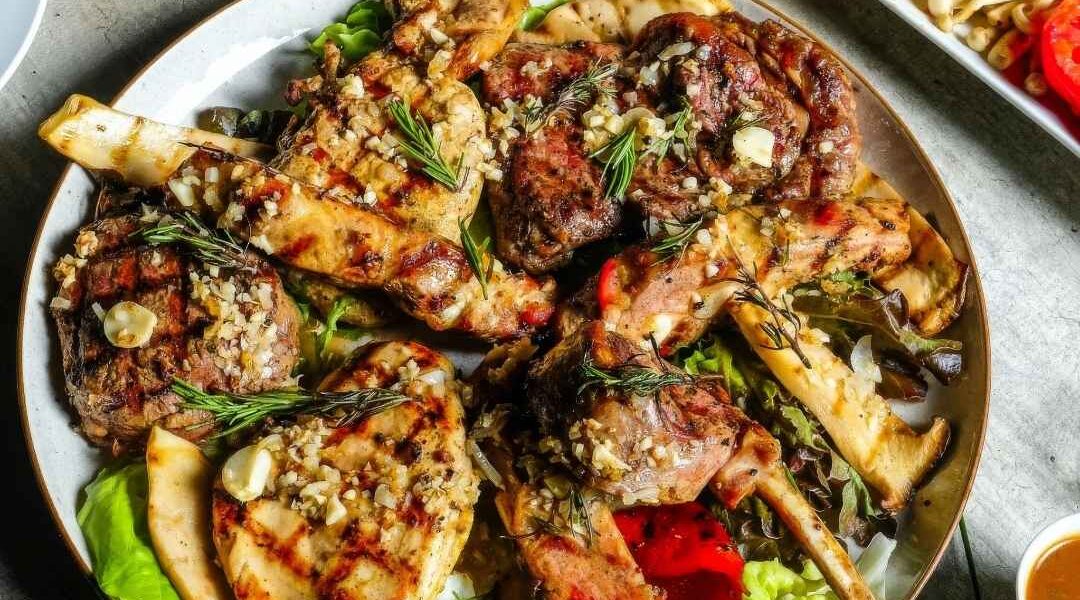
TFC When most travelers think about food in the Bahamas, they imagine predictable beachside fare—grilled fish, tropical fruits, maybe a cocktail with an umbrella. It sounds pleasant, sure, but not exactly memorable.
That assumption couldn’t be more wrong.
Bahamian food is bold, surprising, deeply cultural, and in many ways, completely different from what first-time visitors expect. It’s not just “Caribbean food”—it’s a unique fusion of African, British, and island influences that come together in ways that are spicy, soulful, and sometimes even shocking.
If you arrive expecting light resort meals, you’ll leave wondering how you ever underestimated this cuisine in the first place.
It’s Not Just Seafood—It’s a Whole Flavor Explosion
Yes, the Bahamas is surrounded by ocean, and yes, seafood plays a huge role. But what surprises most people is how intense and layered the flavors are.
Take conch, for example—the national staple. Tourists often expect something mild or rubbery. Instead, they get hit with a citrusy, spicy, herb-loaded dish that’s closer to a flavor bomb than a simple seafood snack.
Conch salad isn’t just “salad.” It’s chopped raw conch mixed with lime juice, onions, peppers, and sometimes even fruit. It’s zesty, fiery, and incredibly fresh—more like a ceviche with attitude.
And then there’s cracked conch: deep-fried, crispy, and served with sauces that range from tangy to downright spicy. It’s comfort food, Bahamian-style.
This isn’t delicate seafood. It’s bold, punchy, and unapologetically flavorful.
Bahamian Food Is Heavier Than You Think

If you’re expecting light, tropical eating—think again.
Bahamian cuisine leans toward hearty, filling meals that reflect its working-class roots. These are dishes designed to fuel long days, not just look pretty on a plate.
One of the biggest surprises? The sides.
-
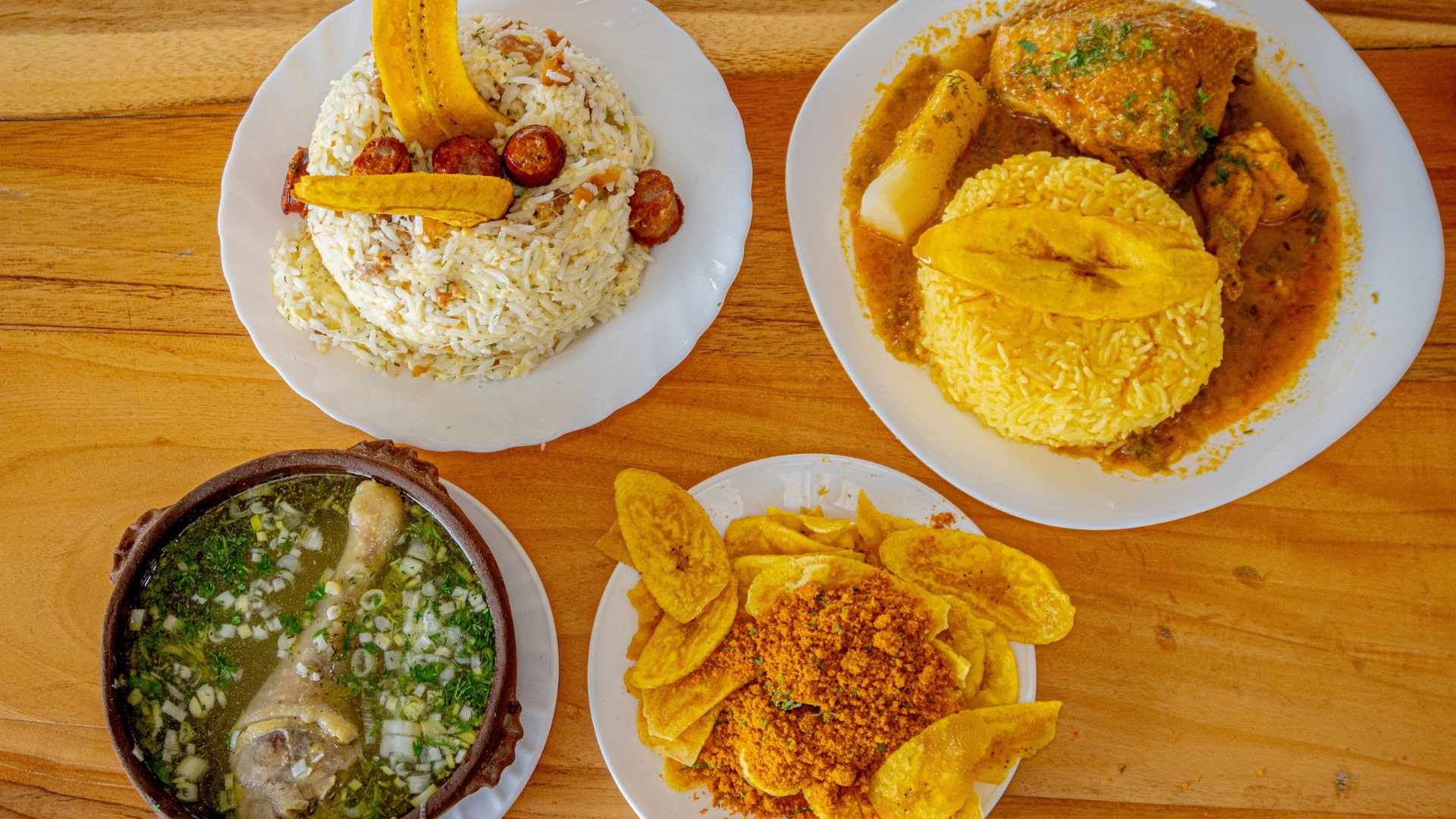
Peas and rice (a staple, not a side dish afterthought)
-
Macaroni and cheese—baked, dense, and almost cake-like
-
Fried plantains
-
Johnnycakes (slightly sweet bread, often eaten with savory dishes)
Everything is rich, comforting, and deeply satisfying. It’s closer to Southern soul food than the “island diet” many imagine.
Breakfast Is Where Things Get Wild
Most tourists stick to hotel buffets—eggs, toast, maybe pancakes. Big mistake.
A real Bahamian breakfast can include:
-
Stewed fish with grits
-
Tuna and grits
-
Boiled fish with potatoes and spices
-
Johnnycake on the side
It’s savory, filling, and packed with flavor. Fish for breakfast might sound unusual if you’re not used to it, but once you try it, it makes perfect sense—especially in a place where seafood is as fresh as it gets.
This is one of the first moments travelers realize: Bahamian food doesn’t follow the rules they’re used to.
Spice Isn’t Optional—It’s the Whole Point
Bahamian cuisine doesn’t shy away from heat.
Goat pepper (a local chili) shows up in everything from sauces to stews, and it packs a serious punch. Even dishes that don’t look spicy often have a hidden kick.
But it’s not just about heat—it’s about balance.
You’ll find:
-
Citrus (especially lime) cutting through richness
-
Fresh herbs adding brightness
-
Peppers bringing depth and intensity
The result is food that feels alive—nothing bland, nothing boring.
It’s Deeply Cultural (Not Just “Tourist Food”)
One of the biggest misconceptions about the Bahamas is that its food scene revolves around resorts.
In reality, the best Bahamian food is often found:
-
At roadside stalls
-
Local fish fries
-
Small, family-run kitchens
These places serve recipes passed down for generations. Dishes like conch stew, souse (a tangy soup often eaten on weekends), and baked fish aren’t designed for tourists—they’re part of everyday life.
And that’s exactly why they’re so good.
If you only eat at resorts, you’ll miss the real story entirely.
The Famous Fish Fry Is an Experience, Not Just a Meal
Ask any local where to eat, and you’ll likely hear about the Fish Fry—especially at places like Arawak Cay.
This isn’t just about food. It’s about atmosphere.
You’ll find:
-
Loud music
-
Crowds of locals and tourists
-
The smell of frying fish in the air
-
Plates piled high with food
It’s chaotic, vibrant, and unforgettable.
And the food? Even better than you expect.
Bahamian Food Has Unexpected Influences
What makes Bahamian cuisine so unique is its mix of cultural influences.
-
African roots bring bold spices and cooking techniques
-
British influence shows up in dishes like puddings and baked goods
-
Caribbean flavors add tropical ingredients and flair
This blend creates something that doesn’t fit neatly into any one category.
It’s not Jamaican. It’s not American. It’s not British.
It’s distinctly Bahamian.
Some Dishes Will Challenge You (In a Good Way)
Let’s be honest—some Bahamian foods can feel intimidating at first.
Conch (a sea snail) isn’t something everyone is used to eating.
Souse has a tangy, almost sour profile that can surprise first-timers.
Certain stews and cuts of meat might look unfamiliar.
But that’s part of the experience.
The dishes that seem the most unusual are often the ones people end up loving the most.
Portions Are Bigger Than Expected
Another surprise? The portion sizes.
Bahamian meals are generous—sometimes shockingly so.
A single plate might include:
-
A main protein (fish, conch, chicken)
-
Multiple sides
-
Bread or rice
It’s not uncommon to feel completely full halfway through.
This isn’t minimalist dining. It’s abundance on a plate.
Desserts and Drinks Deserve More Attention
While savory dishes get most of the spotlight, Bahamian sweets and drinks are worth exploring too.
-
Guava duff (a rolled dessert with guava and dough, often served with sauce)
-
Rum-based cakes and cocktails
-
Fresh fruit juices
And of course, the cocktails—because no trip to the Bahamas is complete without them.
But even here, expect surprises. Flavors are often richer and less sugary than what tourists anticipate.
Why It Ends Up Being Better Than You Expect
So why does Bahamian food exceed expectations?
Because it breaks them.
It’s not the light, predictable, “resort-style” cuisine people imagine.
It’s not toned down for tourists.
It’s not trying to be anything other than what it is.
Instead, it’s:
-
Bold
-
Hearty
-
Flavor-packed
-
Deeply rooted in culture
And that authenticity is what makes it so memorable.
The Bottom Line
If you go to the Bahamas expecting basic beach food, you’ll be completely caught off guard.
And that’s the best part.
Because once you move beyond the resorts, try the local dishes, and embrace the unexpected, you’ll discover a food culture that’s far richer, more exciting, and far more satisfying than you ever imagined.
In fact, for many travelers, Bahamian food ends up being the highlight of the entire trip.
And honestly? It’s easy to see why.