 TFC
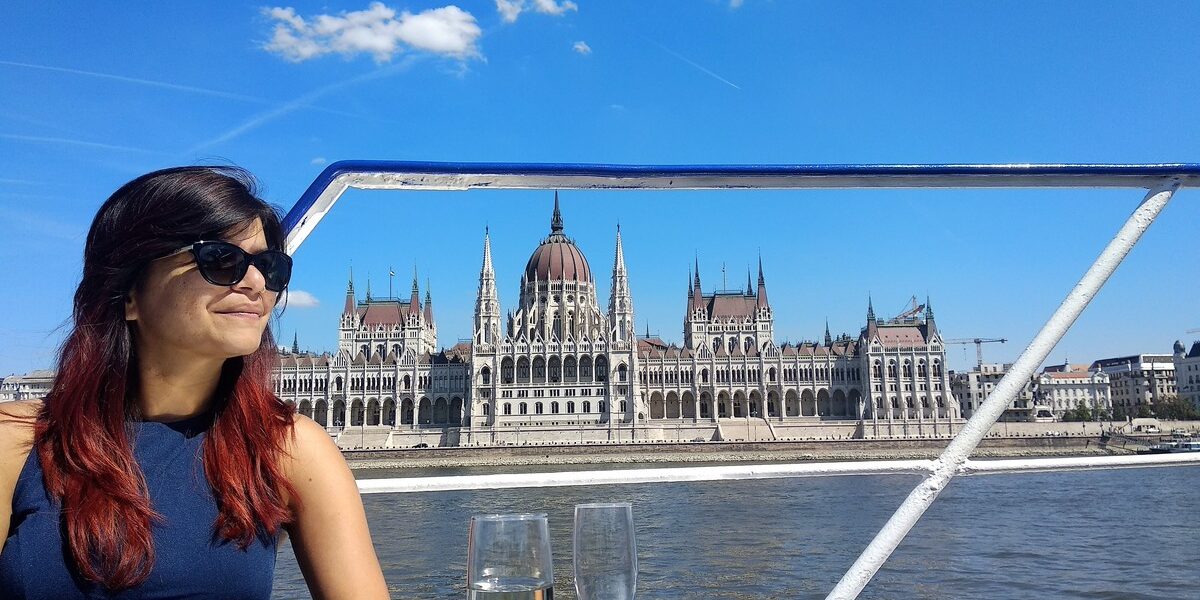
TFC If Europe had a single river that best captured its soul, it would be the Danube. Flowing through ten countries and countless cultures, the Danube is more than a river—it’s a living timeline of empires, music, medieval towns, and modern cities. A Danube river cruise isn’t just a vacation; it’s a front-row seat to Europe’s layered history, experienced at a gentle, unhurried pace.
From the imperial elegance of Vienna to the fairy-tale streets of Passau and the buzzing cafés of Budapest, a Danube cruise blends scenic sailing with cultural immersion, making it one of the most rewarding river cruises in the world.
Why Choose a Danube River Cruise?
Unlike ocean cruises that focus heavily on onboard entertainment, river cruising is destination-first travel. You wake up every morning in a new city, often docking right in the historic center. There’s no long commute, no packing and unpacking, and no rushing between destinations.
The Danube is especially appealing because it passes through four iconic European capitals, connects Western and Eastern Europe seamlessly, and offers constantly changing scenery—from vineyard-lined valleys to grand imperial cities.
Popular Danube Cruise Routes
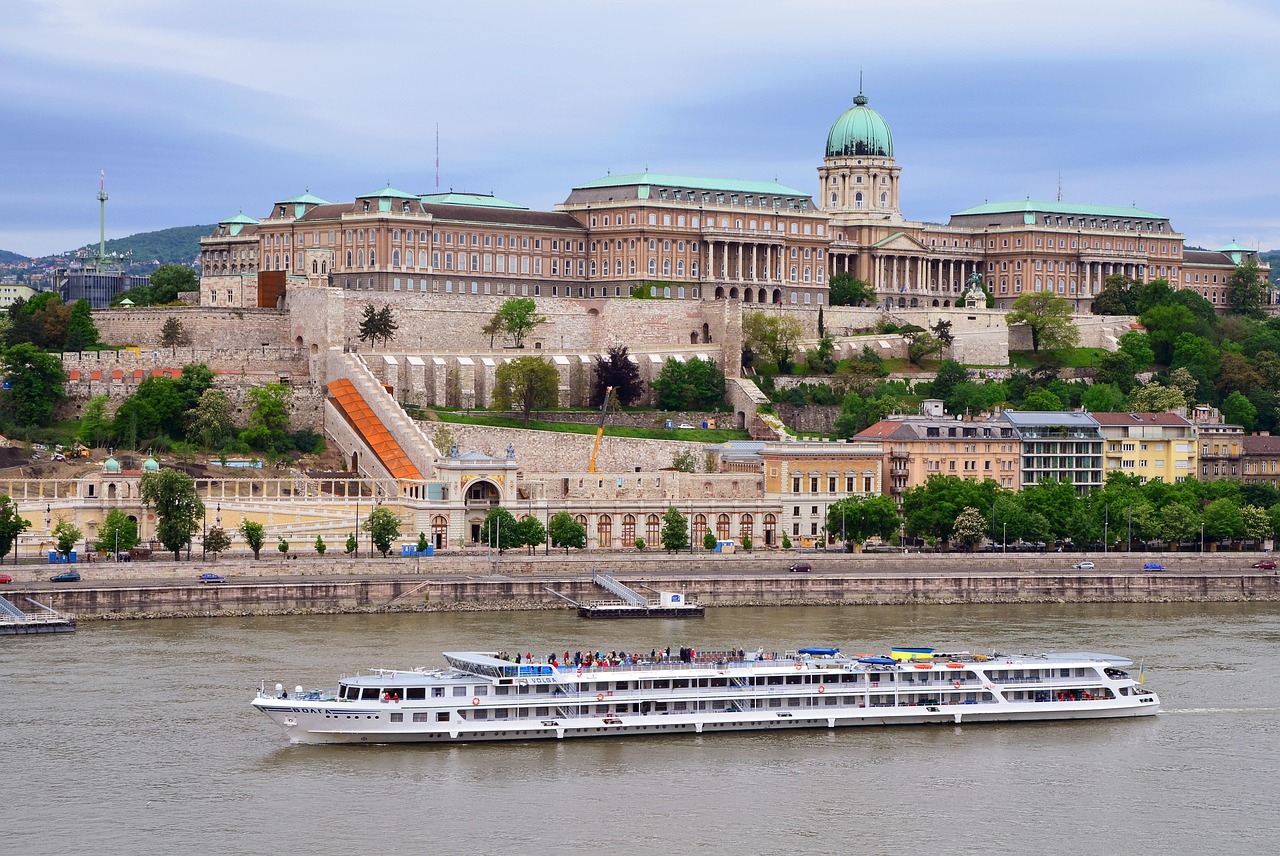
Most Danube cruises range from seven to fourteen nights, with several classic routes available depending on how much time you have and how deep you want to explore.
Passau to Budapest (or Vice Versa)
This is the most popular Danube itinerary and an excellent choice for first-time river cruisers. It typically includes stops in Passau, Linz or Salzburg, Vienna, Bratislava, and Budapest. This route offers a perfect balance of scenic cruising, historic towns, and major cultural capitals.
Vienna to Budapest Short Cruises
Shorter four- to six-night cruises focus on Austria and Hungary’s most iconic cities. These itineraries are ideal for travelers who want a taste of river cruising without committing to a longer journey.
Grand Danube Cruises
Longer itineraries continue east toward Serbia, Bulgaria, and Romania, ending near the Danube Delta. These cruises appeal to experienced travelers looking for lesser-known destinations and dramatic landscapes such as the Iron Gates Gorge.
Highlights Along the Danube
Every stop along the Danube offers something distinct, but a few destinations stand out for most travelers.
Vienna, Austria
Vienna feels timeless, with grand boulevards, ornate palaces, and legendary coffee houses. Cruise excursions often include Schönbrunn Palace, guided walks through the historic center, and optional classical music performances that reflect the city’s deep musical heritage.
Budapest, Hungary
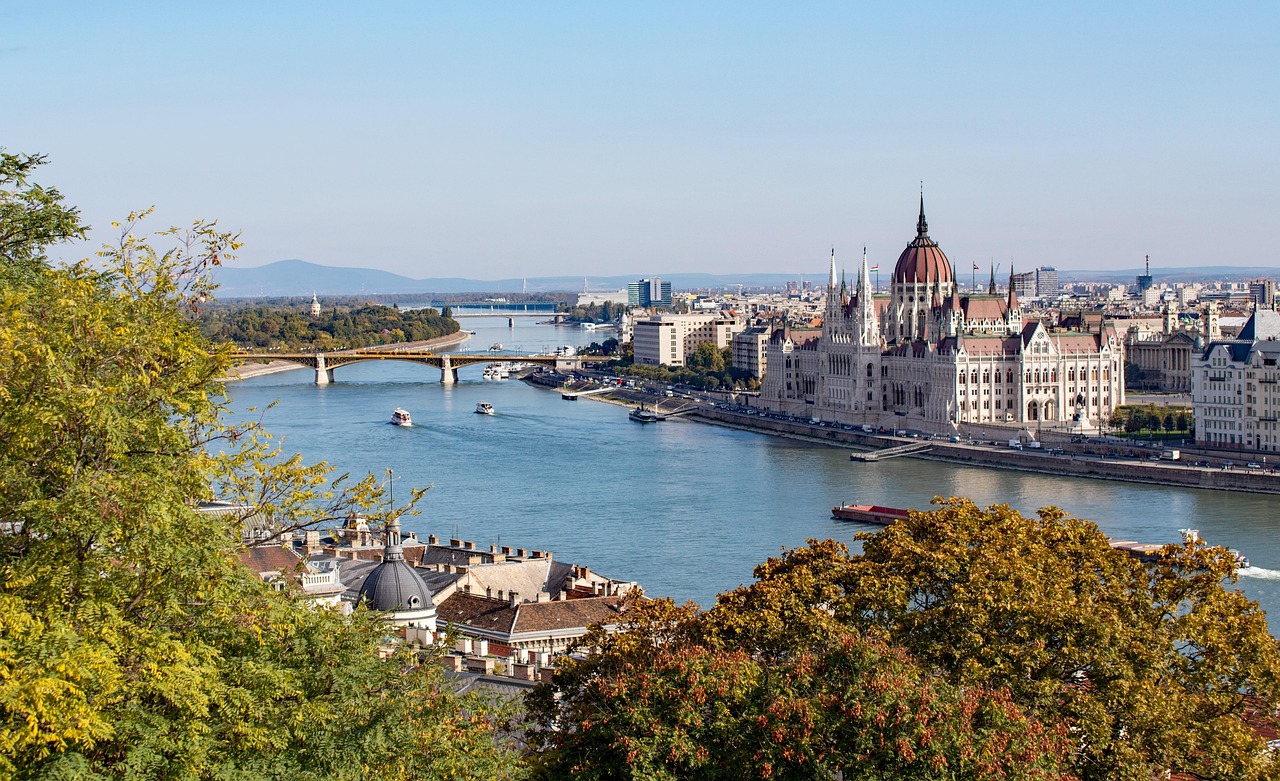
Often considered the highlight of the cruise, Budapest is especially breathtaking when approached by river. Landmarks like the Parliament Building, Buda Castle, and Fisherman’s Bastion dominate the skyline. An evening sail through Budapest, with the city illuminated, is a moment many travelers describe as unforgettable.
Bratislava, Slovakia
Smaller and more relaxed than Vienna or Budapest, Bratislava offers medieval streets, pastel-colored buildings, and a charming old town that’s easy to explore on foot. It provides a refreshing contrast between two major capitals.
Wachau Valley, Austria
This UNESCO-listed stretch of the Danube is one of the most scenic parts of the journey. Vineyards, abbeys, and castle ruins line the riverbanks, and stops often include wine tastings featuring local Austrian varietals.
What Life Is Like Onboard
Danube river cruise ships are designed to feel intimate rather than overwhelming. Most carry between 150 and 200 passengers, creating a boutique-hotel atmosphere.
Cabins are compact but comfortable, often featuring floor-to-ceiling windows or French balconies. Dining focuses on regional cuisine, with locally inspired menus and complimentary wine or beer during meals. Open seating encourages a relaxed, social environment without formal dress codes.
Shore Excursions and Experiences
Most Danube cruises include guided shore excursions at every stop. These typically consist of walking tours, museum visits, or cultural experiences such as cooking demonstrations or music performances. Active options like cycling tours or hikes are often available, while travelers who prefer a slower pace can explore independently.
Best Time to Take a Danube River Cruise
Spring offers mild weather and blooming landscapes, making it ideal for sightseeing. Summer brings long daylight hours and vibrant cities, though popular ports can be busier. Autumn is a favorite for many travelers due to harvest season, fewer crowds, and golden scenery. Winter cruises, especially Christmas market sailings, transform the Danube into a festive, storybook setting.
Who a Danube Cruise Is Best For
A Danube river cruise is ideal for couples, solo travelers, and seniors who value comfort, culture, and ease of travel. It’s also a great option for first-time visitors to Europe who want a well-rounded introduction without the stress of planning every detail. Travelers seeking nightlife or adventure sports may find river cruising too relaxed for their taste.
What to Pack for a Danube River Cruise?
Comfortable walking shoes are essential in your river cruise packing list, as most towns are explored on foot. Smart-casual clothing works well for both excursions and evenings onboard. Layers are recommended for changing weather, and formal attire is rarely required.
How Much Does a Danube Cruise Cost?
A seven-night Danube cruise typically ranges from €2,000 to €4,000 per person, depending on the cruise line and season. Luxury cruises can cost more. Most fares include accommodation, meals, guided excursions, and onboard entertainment, with flights usually priced separately.
Is a Danube River Cruise Worth It?
For travelers who value slow, meaningful experiences, a Danube river cruise is absolutely worth it. It offers a rare blend of comfort, cultural depth, and scenic beauty, allowing you to experience Europe as a continuous story rather than a series of disconnected stops.
Whether you’re watching vineyards drift past your window, listening to classical music in Vienna, or sailing through Budapest at night, the Danube creates moments that stay with you long after the journey ends.