
 Carter Vale
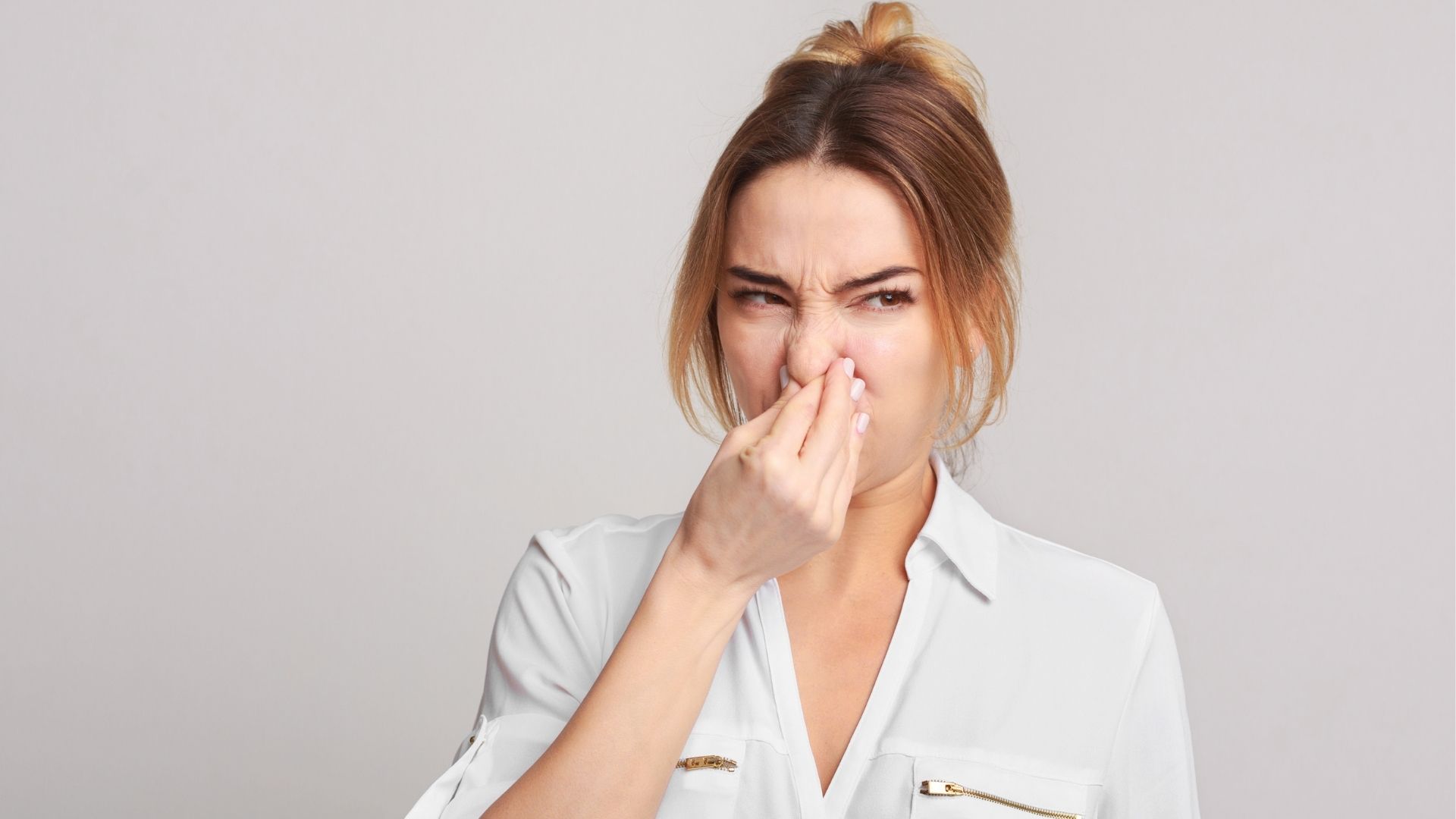
 There are few cultural clashes as personal — or as pungent — as this one. The debate over how people should smell seems like a small issue on the surface, but scratch that surface and you’ll uncover deep cultural codes about hygiene, class, identity, and even philosophy.
In the U.S., deodorant is as essential as toothpaste. Showering daily is a baseline social requirement, and smelling like anything other than “mountain breeze” or “spring linen” is practically a social misdemeanor.
In Europe, however, the idea that a person must smell like synthetic freshness every waking hour feels… unnecessary, even unnatural. “It’s just how people smell,” a Parisian might shrug, while an American would already be halfway through a discreet spritz of body spray.
So what’s behind the Atlantic divide in how people think about — and treat — the human scent?
Let’s lift the cap off this cultural deodorant and find out.
A Tale of Two Hygiene Philosophies
America: The Gospel of Clean
To Americans, cleanliness is next to godliness — and often, social survival. The country’s hygiene standards are rooted in a culture of optimism, self-presentation, and marketing. Body odor is framed not as natural but as a problem to be solved — with products, routines, and moral undertones.
By the early 20th century, American advertisers had already perfected the art of turning insecurity into industry. Deodorant and mouthwash companies didn’t just sell products — they sold fear. Slogans warned: “You’re judged by your scent.” The subtext? Smelling human could cost you friends, jobs, or dates.
Cleanliness became both a social signal and a capitalist success story. The American bathroom evolved into a small pharmacy of soaps, sprays, scrubs, and serums. You weren’t just fighting bacteria — you were fighting judgment.
Europe: The Philosophy of the Body
Across the Atlantic, things smell… different. Europe’s approach to hygiene is rooted less in marketing and more in philosophy, history, and practicality. The European perspective says: people are biological beings. Bodies have smells. It’s not necessarily good or bad — it’s simply real.
Especially in southern Europe, scent is considered part of personality. A trace of sweat, the mix of perfume and skin — these are markers of individuality, not neglect. To mask them completely feels disingenuous, even sterile.
That doesn’t mean Europeans don’t bathe or care about hygiene (contrary to American jokes). They do — just differently. The cultural difference lies in intensity and frequency. Daily showers? Optional. Heavy antiperspirant? Often skipped. Perfume? Common. It’s about balance, not obliteration.
How It Started: A Short History of Soap and Scent
The American Clean Revolution
The modern American obsession with deodorant began around the 1910s, when the first commercial deodorant — “Mum” — hit the market. By the 1950s, advertising had made underarm care as essential as brushing teeth.
Cleanliness became not just personal but patriotic. During post-war prosperity, soap brands and detergent commercials linked cleanliness to moral purity, good citizenship, and success. To smell clean was to be good. To smell human was… suspicious.
That cultural script never really changed. Even today, American marketing tells you to fight “odor-causing bacteria” — a phrase so normalized that nobody stops to ask if maybe… the bacteria are just doing their job.
Europe’s Older Relationship with the Body
Europe’s story is older, messier, and far more fragrant. In the Middle Ages, bathing wasn’t common — not because people didn’t like it, but because it was logistically difficult and often cold. Instead, people covered smells with perfume, herbs, and powders. Scented oils and colognes became social tools, not just hygiene products.
Fast-forward a few centuries: perfume culture blossomed in France, naturalism influenced lifestyle in Germany, and Mediterranean cultures continued to embrace warmth, closeness, and natural human aroma.
In short: America sterilized the body; Europe perfumed it.
The Modern Divide: Who Showers, Who Sprays
Surveys have shown the pattern clearly:
- Americans shower more often, on average once a day.
- Many Europeans shower every other day or when needed.
- Americans overwhelmingly use deodorant daily.
- A significant percentage of Europeans skip it, or only apply it during summer.
And yet, the story isn’t as simple as “Europeans don’t shower.” It’s why they don’t feel compelled to.
European culture, particularly in northern and western regions, prizes moderation. Excessive washing is viewed as wasteful or even unhealthy — stripping the skin’s natural oils and microbiome. There’s a belief that the body maintains its own balance, and artificial fragrances often do more harm than good.
To Americans, that sounds like an excuse.
To Europeans, it sounds like common sense.
The Perfume Paradox
Interestingly, Europeans are far more likely to wear perfume daily. The difference is that perfume in Europe is an extension of self — not a shield from self. It doesn’t hide scent; it enhances it. The idea is to blend with your natural smell, not erase it entirely.
In France, a whiff of someone’s chosen fragrance is considered intimate, even poetic. In Italy, perfume is part of grooming — a sensory signature. In the U.S., meanwhile, perfume often serves as a final layer of deodorizing defense — a “backup plan” in case the antiperspirant fails.
Same bottles. Different intentions.
The Role of Space and Climate
Geography matters, too. The American lifestyle is defined by air conditioning, cars, and personal space. You can go an entire day without being closer than a few feet from another human being. In that kind of environment, smelling like nothing becomes the social norm.
In Europe, life happens closer together — public transport, street cafés, smaller living quarters, shared air. You smell other people, they smell you. It’s not an invasion; it’s coexistence. Natural scent becomes part of the social background noise, not a breach of etiquette.
There’s also the matter of water costs and energy awareness. In countries like Germany, the Netherlands, and Denmark, daily long showers are often seen as wasteful. The ecological mindset subtly reinforces the “don’t overdo it” hygiene culture.
Meanwhile, in America, long showers are almost meditative. It’s your private concert, your therapy, your morning reset — with twelve body-care products and a Bluetooth speaker.
Advertising and the Aroma of Anxiety
No discussion of this divide is complete without talking about marketing.
The American hygiene industry is a multibillion-dollar empire built on what could be called scent insecurity. Every commercial whispers: “You could smell bad — and you wouldn’t even know it.” So you buy the deodorant, the soap, the wipes, the body mist, and then the perfume to cover all that.
Europe’s advertising landscape takes a different approach. Perfume ads are abstract, sensual, even absurd — beautiful people running through fountains or staring at the ocean. The message isn’t “you stink.” It’s “you could smell mysteriously interesting.”
In short: America sells fear. Europe sells fantasy.
The Cultural Subtext: Morality vs. Authenticity
When you dig deeper, scent isn’t just physical — it’s symbolic.
In the U.S., smelling clean equals being good: disciplined, respectful, civilized. It ties back to Protestant work ethics and capitalist productivity. Hygiene signals control. Cleanliness equals character.
In Europe, particularly southern Europe, authenticity ranks higher than control. Smelling “too clean” might even be read as trying too hard. Natural scent implies honesty, realness, confidence in one’s body. It says: “I’m comfortable being human.”
In this sense, deodorant use becomes a small act of cultural philosophy. Americans erase; Europeans embrace.
Modern Shifts: The Rise of ‘Natural’ on Both Sides
Interestingly, both continents are slowly meeting in the middle.
- In America, “natural deodorants” and “microbiome-safe” products are trending. People are questioning whether total sterilization is healthy.
- In Europe, increased globalization and travel are spreading American hygiene standards, especially among younger generations and urban professionals.
There’s still a gap — but it’s narrowing. The future might smell like compromise: a touch of deodorant, a spritz of perfume, and maybe a little less judgment.
Travel Encounters: When Scents Collide
If you’ve ever been on a long international flight, you’ve experienced this cultural clash firsthand. The cabin becomes a floating microcosm of scent diplomacy. The Americans have their hand sanitizers and travel-sized deodorants. The Europeans relax, unbothered. Somewhere in the middle, a French passenger lightly dabs perfume, and an American across the aisle takes a deep, approving sniff — without realizing the irony.
Americans abroad sometimes describe European streets as “musky” or “less clean.” Europeans visiting the U.S. often describe the opposite: everything smells too artificial, too chemical, too sterile. Both are right — relative to what they’re used to.
The Science of Smell — and the Myth of ‘Bad’ Odor
Human scent isn’t just sweat. It’s a complex mix of hormones, bacteria, diet, and genetics. Scientists have found that natural body odor carries emotional and biological information — even attraction cues. The smell of a partner can lower stress, improve sleep, and deepen emotional bonds.
So when we mask every trace of human scent, we also lose subtle layers of communication.
That doesn’t mean everyone should stop showering — but it does suggest that the cultural fear of “smelling human” might be more psychological than hygienic.
The Social Experiment: What Happens When You Stop Masking
There’s an emerging movement — especially among young people — experimenting with skipping deodorant or showering less often, claiming their bodies eventually “rebalance.” Some call it hippie nonsense. Others say it’s liberation.
Interestingly, the first people to notice the change aren’t coworkers — they’re romantic partners. Many report a deeper, more instinctive attraction once synthetic scents fade away.
It’s as if the human nose, dulled by years of antiperspirant, suddenly remembers its job.
Perhaps Europeans were onto something all along.

So… Who Smells Better?
That’s the million-dollar question — and it depends entirely on what you value.
If you value freshness, consistency, and social comfort:
America wins. You’ll never have to wonder what that smell is — it’s always citrus soap and “clean linen.”
If you value naturalness, authenticity, and personal chemistry:
Europe wins. People smell human — sometimes good, sometimes not, but always real.
If you value perfume as art:
Europe dominates. The continent practically invented fragrance as self-expression.
If you value cleanliness as character:
America still reigns supreme — proudly, and fragrantly.
Final Thought: The Scent of Culture
In the end, the debate over “natural smell” versus “body odor” isn’t about soap. It’s about how we define being human.
Americans see self-care as self-respect — control over the body, its signals, and its impact on others.
Europeans see self-acceptance as self-respect — harmony with the body and its natural presence in the world.
Neither approach is wrong. They’re just… scented differently.
So whether you reach for the antiperspirant or trust your natural musk, remember: smell is cultural. Somewhere out there, someone thinks you smell strange, too.