 Carter Vale
 Italy takes pasta very seriously. This is not an exaggeration, nor a romanticized movie stereotype. Pasta in Italy is not just food — it’s culture, pride, identity, history. The wrong move in the kitchen, and nonna may clutch her chest in theatrical despair. If the culinary gods are feeling particularly spicy that day, an entire Italian town might gasp in unison. Meanwhile, across the Atlantic, Americans keep cheerfully reinventing pasta with the enthusiasm of someone who has never been yelled at by an angry Roman waiter.
The result? A global comedy of culinary errors — and a list of “pasta crimes” that Italians love to mock (with love… mostly).
Here are nine pasta sins that cause scandal, confusion, and occasionally diplomatic tension between Italy and the U.S.
1. Breaking Spaghetti in Half
Let’s start with the crime Americans commit before the pasta even reaches the water: snapping spaghetti in half. It’s harmless, they argue. It fits in the pot, they say. It cooks evenly, they believe.
Italy says absolutely not.
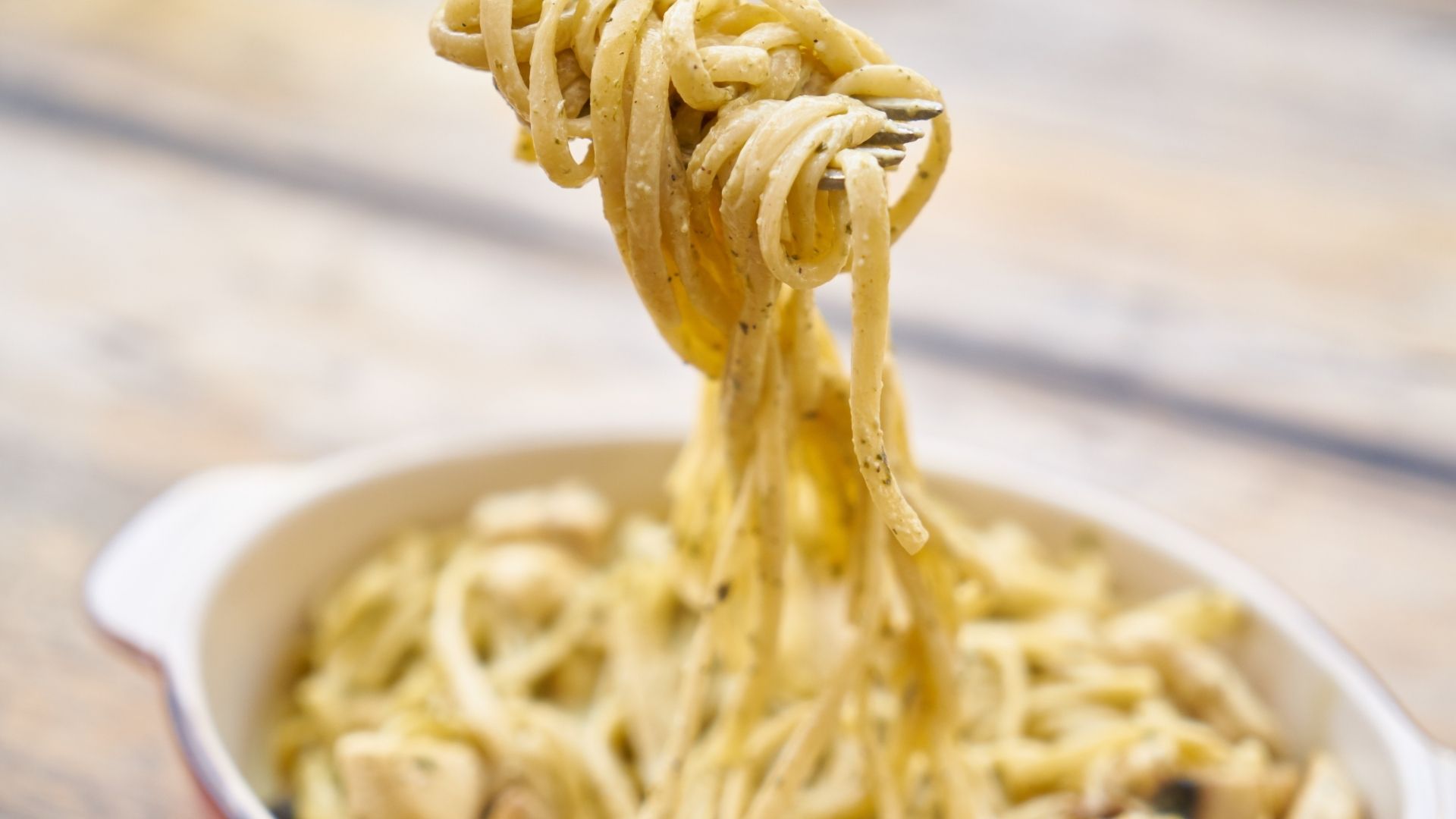
In Italy, spaghetti is meant to be long, twirled elegantly, and respected. Breaking it isn’t just a cooking technique — it’s an affront to structural pasta integrity. It’s like cutting the Mona Lisa down the middle to fit a frame.
Italian reaction: “Why? Why would you do this?”
American reply: “My pot is small.”
The Italian counterargument: get a bigger pot. Or better yet, tilt the pasta until it softens — as Italian nonnas have been doing since the dawn of time. Pasta bends for no one… except boiling water.
2. Cooking Pasta Until It’s Mushy
If you say “al dente,” many Americans hear, “cook it however you want.” Meanwhile in Italy, pasta with the texture of wet tissue paper is the stuff of nightmares. Italians cherish the firm bite — the pasta should push back slightly when you chew. This isn’t snobbery; it’s science. Overcooked pasta loses texture, flavor, and dignity.
To an Italian, soft pasta isn’t pasta. It’s punishment.
Italian outrage level: Medium-high.
American excuse: “We like it softer.”
Italian interpretation: “They like suffering.”
3. Drowning Pasta in Sauce
Americans often see pasta as a delivery system for sauce. Giant bowls loaded with heavy cream, tomato floods, cheese avalanches — the pasta isn’t so much seasoned as suffocated. Italians? They would like to politely remind everyone that pasta is the star — the sauce is a companion, not a life vest.
Italian dishes are balanced: a whisper of tomato, a sheen of olive oil, just enough pesto to dance across the noodles. The pasta should glisten, not drown.
When Italians see pasta submerged in sauce, they don’t just cringe — they mourn.
4. Alfredo Sauce… Everywhere
Americans worship Alfredo sauce. It’s on menus, in jars, slathered on chicken, used as pizza sauce, drizzled into casseroles, and occasionally (alarmingly) mixed with bacon and shrimp in the same dish.
In Italy, Alfredo exists — but as a modest, ghostlike presence. The original “Fettuccine Alfredo” in Rome doesn’t even involve cream; just butter, Parmigiano Reggiano, and technique. Most Italians are unaware of the creamy American version and react as if encountering a culinary cryptid. “What is this white lava?” they whisper.
Italian reaction: Confused but curious, like a cat seeing a cucumber.
5. Putting Chicken in Pasta Dishes That Should Never See Chicken
Chicken Alfredo. Chicken carbonara. Chicken pesto. Chicken in everything.
Let’s be clear: Italians do eat chicken. They just don’t mix it into classic pasta dishes. Carbonara, for instance, uses guanciale — cured pork cheek — not chicken. Putting chicken in carbonara is like rewriting Shakespeare and saying Hamlet just needed therapy.
Somewhere in Rome, a chef felt a disturbance in the Force and doesn’t know why.
Why America does it: Protein!
Why Italy won’t: Tradition, respect, and flavor rules.
6. Using Pre-Grated Parmesan… or Worse, the Green Can
Few culinary offenses trigger Italians faster than that famous green shaker of “Parmesan-style cheese.” The one found next to the canned soup aisle, boldly ignoring centuries of cheese craftsmanship.
In Italy, Parmigiano Reggiano is sacred. It has rules, aging standards, and regional pride. There’s a Consortium for it — an actual cheese authority. So when Americans sprinkle what Italians refer to as “cheese dust” on pasta, reactions range from horrified laughter to actual concern for international food relations.
Freshly grated Parmigiano? Acceptable. Pecorino? Beautiful. Pre-grated powder? Food felony.
7. Putting Ketchup on Pasta
Yes, this happens. No, Italy will never forgive it.
Children sometimes do this, college students sometimes do this, and occasionally adults with adventurous spirits and questionable judgment do this. But in Italy, ketchup on pasta is a culinary meltdown.
To Italians, this is not just a crime — it is a pasta apocalypse. It is betrayal. It is the end of trust between nations. If Dante wrote The Inferno today, there would be a circle specifically for people who put ketchup on spaghetti.
8. Mixing Seafood and Cheese
Picture a beautiful plate of linguine alle vongole — clams, garlic, olive oil, white wine, parsley. Then picture someone reaching for Parmesan.
This is how feuds begin.
In Italian cuisine, seafood dishes are delicate and intentionally cheese-free. Cheese overwhelms the seafood. It throws off the balance. It disrupts the universe.
In America, Parmesan is an emotional support ingredient — a constant companion, sprinkled first and questioned never. But in Italy, the seafood-cheese combination is whispered about in the same tone usually reserved for family scandals.
9. Making ‘Fusion’ Pasta That Breaks All Known Rules
This category is vast, chaotic, and deeply American.
Mac-and-cheese pizza. Cheeseburger spaghetti. Buffalo chicken pasta bake. Ramen–spaghetti hybrids. Hot dog spaghetti (yes, pasta threaded through sliced hot dogs before boiling — the internet remembers).
Italy looks at these dishes the way a traditional art museum looks at abstract performance art. They don’t hate it. They’re just confused, nervous, and a little emotional.
Italian cuisine respects boundaries. American cuisine… gets curious at 2 a.m. and invents something that might be genius or might be culinary fan fiction. Sometimes both.
Why These Pasta Rules Matter in Italy
To outsiders, Italian food rules can seem dramatic — even comedic. But to Italians, food isn’t just nourishment. It’s identity, memories, family tradition, history, and regional pride. Cooking isn’t just preparing a meal — it’s preserving a culture.
Every pasta dish carries stories:
- Techniques passed down through generations
- Local ingredients tied to land and season
- Respect for simplicity and quality
Americans approach food with creativity, freedom, and innovation. Italians approach food with reverence. And when those two philosophies collide, sparks — and laughter — fly.
How Italy Sees American Pasta Culture
From across the ocean, Italy sees a mix of endearing enthusiasm and culinary chaos. Americans love pasta — truly. They just love it loudly, experimentally, and without any fear of consequences. From TikTok “pasta hacks” to viral recipes involving entire blocks of cheese melted in a pan, American pasta culture is fearless.
To Italians, this fearlessness is baffling… but also kind of charming.
There’s a certain admiration tucked beneath the outrage. Only Americans could turn pasta into a casserole with eight different cheeses and still call it Tuesday dinner. Only Americans would attempt “ranch lasagna.” And only Americans would confidently serve pasta salad ice-cold with mayonnaise and veggies and say, “Trust us, it’s a picnic classic.”
Italians may be horrified, but they’re also amused. And somewhere deep inside, they might even be a little impressed — although they’ll never admit it publicly.
A Delicious Cultural Tug-of-War
So who’s right? The traditionalists guarding centuries of culinary heritage like it’s national treasure? Or the bold experimenters treating the kitchen like a playground?
The truth is, both sides bring something to the table — literally.
Italy protects pasta tradition with almost sacred devotion. America explores possibilities and turns mistakes into memes. One writes the rules; the other scribbles in the margins.
And honestly — pasta wins either way.
Final Thoughts: Eat, Laugh, and Stir Gently
Food isn’t just about rules. It’s about joy. Italy may gasp at American pasta habits, but it also laughs with a full heart. Americans may ignore half the rules (accidentally or on purpose), but they do it out of love for the dish, not disrespect for the culture.
So here’s the takeaway:
Eat pasta however you like — but know the rules before you break them. And if you visit Italy, maybe… just maybe… don’t ask for chicken Alfredo or reach for ketchup.
Your stomach — and every Italian grandmother within a five-mile radius — will thank you.